
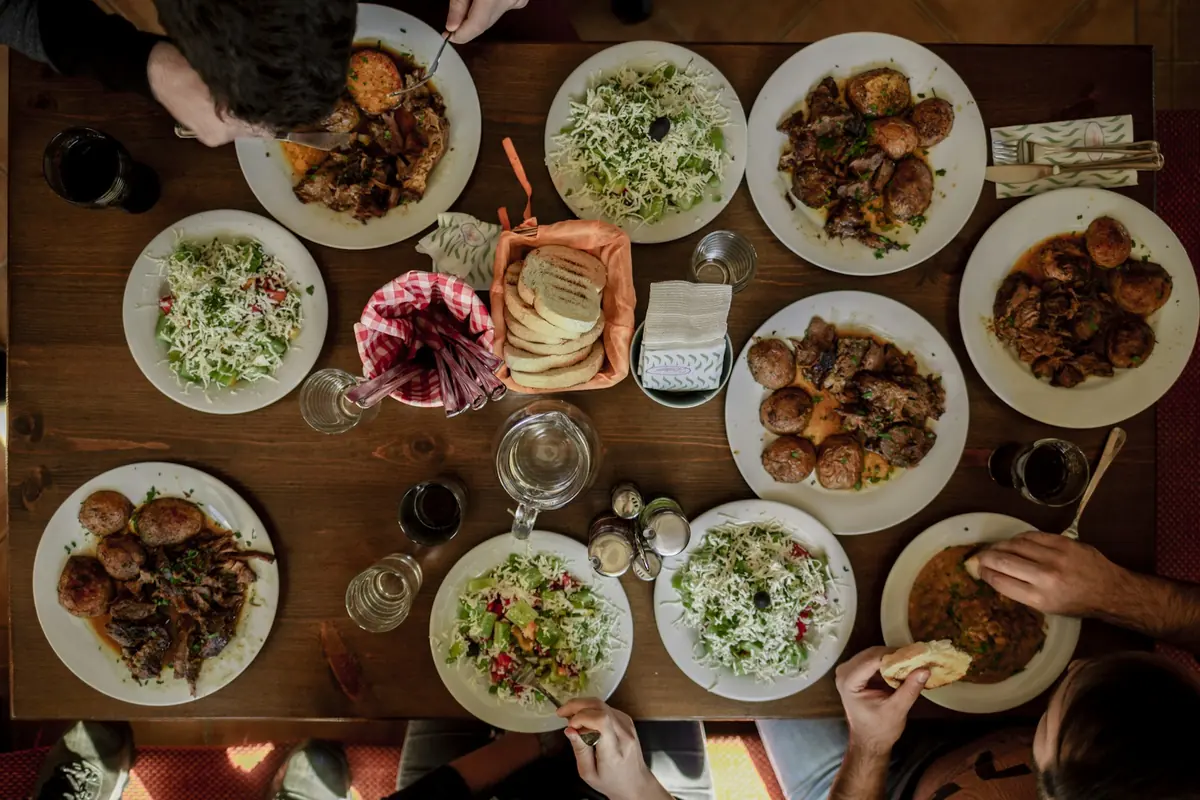
Mediterranean menus can be long, and a lot of the words on them are unfamiliar the first time. Shawarma, kofta, tzatziki, tahini, falafel, gyro — it is not obvious which are wraps, which are plates, and which are the things you order for the table.
Here is how the menu is usually organised, and what to pick depending on what you already know you like.
Start here if you only read one section
If it is your first time, order a rice plate with chicken. You get grilled meat, seasoned rice, salad and a sauce on one plate, which lets you taste the main flavours of the cuisine without committing to anything unfamiliar. Add hummus for the table and you have covered most of what makes Mediterranean food distinctive.
How a Mediterranean menu is usually laid out
Most menus are built from the same handful of formats, and once you see the pattern the length stops being intimidating.
- Plates (or “over rice”). A protein served over seasoned rice with salad, a dip and a sauce. The full-meal option.
- Wraps. The same meats rolled into flatbread with salad and sauce. Lighter, faster, easier to eat one-handed.
- Salads. Substantial rather than a side — often with cheese, olives or added meat.
- Sides and dips. Hummus, falafel, fries, rice. Ordered for the table rather than per person.
- Pizza and baked items. Common on Mediterranean menus in the US, usually with the same spice profile as the rest of the kitchen.
The protein question comes up on almost every line of the menu, and it is worth a moment’s thought. Our guide to choosing between chicken, beef and lamb sets out how they differ in flavour, fat and how they are usually cooked.
What to order based on what you already like
The quickest way through an unfamiliar menu is to start from something familiar.
| If you usually like… | Order this | Why it works |
|---|---|---|
| Grilled chicken and rice bowls | Chicken over rice | Closest thing to a format you already know, with new seasoning |
| Wraps, burritos, sandwiches | A loaded wrap | Same handheld format; the sauce does the heavy lifting |
| Steak and rich red meat | Beef over rice, or kofta | Kofta is seasoned ground meat — deeper flavour than plain grilled beef |
| Something spicy and garlicky | Chicken shawarma with garlic sauce | The marinade is the whole point of shawarma |
| Vegetarian food | Falafel with hummus and salad | Chickpea-based and filling; a complete meal without meat |
| Sharing plates with friends | A mix of dips, salads and one or two plates | How this food is eaten at home |
| Pizza night | A Mediterranean-style pizza | Familiar base, different toppings and seasonings |
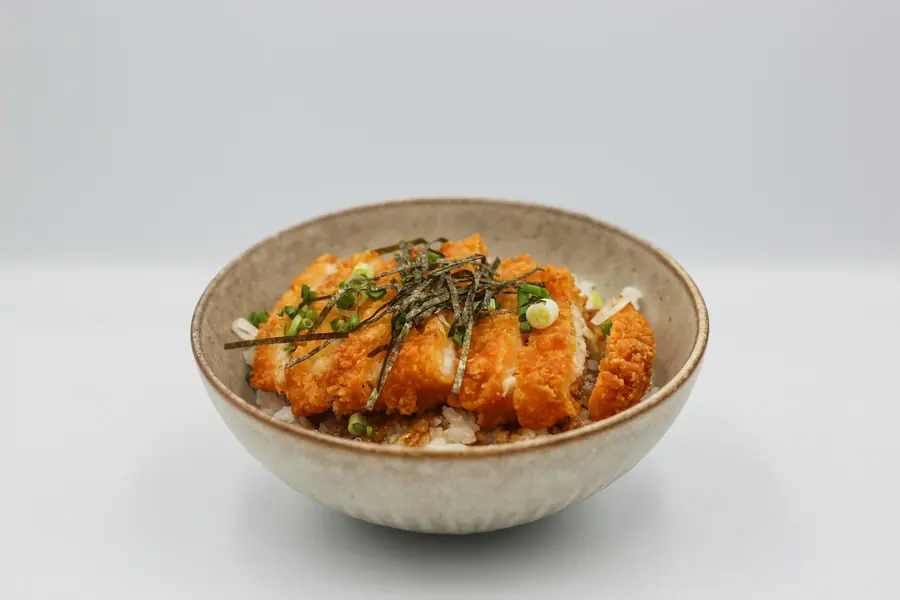
The dips are a separate category from the sauces and get confused with them constantly. Our guide to hummus, baba ganoush and the other dips covers what separates them and which to order together.
The three sauces worth knowing
Sauce is where most of the character sits, and it is the thing people most often order blind.
- Garlic sauce — creamy, sharp and strongly garlic-forward. The default with chicken.
- Tzatziki — yogurt, cucumber and herbs. Cooling rather than rich, and the classic partner for gyro.
- Tahini — sesame-based, nutty and slightly bitter. Usually served with beef and with falafel.
If you cannot decide, order a plate that comes with one and ask for another on the side. Nobody minds.
Each of those three has a full explanation in our guide to garlic sauce, tzatziki and tahini, including which dishes they traditionally belong with and why.
Format matters here as much as quantity, because plates, wraps and bowls suit different kinds of gathering. Our guide to choosing between a plate, a wrap and a bowl covers which works for a table that is sitting down and which for a group that is not.
What the rice actually is
The rice under a plate is the part of the order people ask about most often afterwards, and almost always in the same form: what was the yellow rice?
There is no single answer, because it is a category rather than a dish. What it usually is: long-grain rice coloured and flavoured with turmeric, cooked with onion and some fat, and in a good many kitchens with fine noodles toasted and stirred through it. Cumin, coriander, cardamom, bay and cinnamon all turn up depending on where that kitchen’s cooking comes from.
The colour is worth separating from the flavour. Turmeric is the everyday source of the yellow and brings an earthy, slightly bitter note with it. Saffron gives a more orange colour and a distinctive floral aroma, and costs many times more by weight — which is why the yellow rice at a counter is almost always turmeric rice.
| Style | Where the colour comes from | What else is in it |
|---|---|---|
| Yellow or turmeric rice | Turmeric | Onion, oil or butter, often cumin |
| Saffron rice | Saffron | Very little else — the aroma is the whole point |
| Vermicelli rice | Plain, or lightly turmeric | Fine noodles toasted in fat before the rice goes in |
| Spiced rice, kabsa or mandi style | Turmeric and warm spice | Cardamom, cinnamon, cloves, dried lime |
| Plain steamed rice | Nothing | Salt |
Two things about the rice are worth asking rather than assuming, and both matter more than the colour does. The first is whether it was cooked in stock, which is common, and which settles the question for a vegetarian and — if that stock is not halal — for a Muslim diner too. The second is whether it was finished with butter or ghee, which matters if you avoid dairy.
Ours comes with every meat plate and is also on the menu as a side, described simply as rice. If how it was prepared makes a difference to what you can eat, ask us and we will tell you rather than leaving you to infer it from a description.
Rice is the foundation of Gulf Arabic cooking in a way it never quite is in the Levant, which is where most American Mediterranean menus come from — our guide to what Arabic food covers explains the regional split and where the spiced-rice dishes belong.
Ordering for the table rather than for yourself
Mediterranean food is built for sharing, and it is worth ordering that way even for two people. The traditional pattern leans heavily on vegetables, grains, legumes and olive oil, with meat in a smaller supporting role — Harvard’s School of Public Health sets out that structure in its overview of Mediterranean eating.
In practice that means ordering one or two plates, a couple of dips, a salad and bread, then splitting everything. You end up eating a wider range of the menu than if everyone orders their own main.
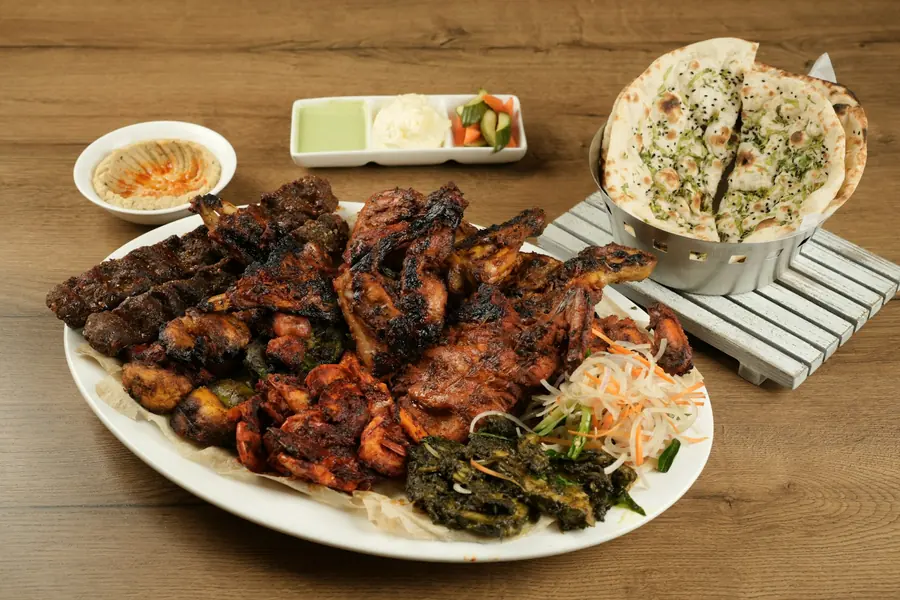
If you are ordering without meat, this menu is more accommodating than most — our guide to vegetarian options at a Mediterranean restaurant covers how to build a full meal from the dips, falafel and salads.
Salad is worth understanding too, because it arrives with almost every plate rather than as a separate course — our guide to Mediterranean salads covers the differences between Greek, fattoush, tabbouleh and the rest.
Mistakes people make on a first visit
None of these will ruin a meal, but they are the things regulars would tell you if you asked.
- Ordering a wrap and a side of rice. The wrap already contains the carbohydrate. If you want rice, order the plate version instead.
- Skipping the dips because they look like starters. Hummus is not a first course here so much as a condiment for the whole meal — it belongs on the table from the beginning.
- Assuming the salad is a side. Mediterranean salads are usually substantial, and with meat added they work as a main.
- Ordering one sauce for the table. The sauces are the personality of the dish. Getting two means you can taste the difference.
How much to order for yourself
One plate is a full meal for most people. A wrap on its own is a lighter meal, and pairs well with a shared side of fries or falafel.
If you are ordering for two and want to try more of the menu, a good pattern is one plate, one wrap and one dip, then split everything. That gives you two proteins, two sauces and something to scoop with, which is a better survey of the kitchen than two identical plates.
If you are bringing children, the same menu is more accommodating than it looks — our guide to Mediterranean food for kids covers what to order and what to keep on the side.
A note on what is and is not halal
Not every Mediterranean restaurant is a halal restaurant — the cuisine and the dietary standard are separate things, and some Mediterranean kitchens do serve pork and cook with wine. If that matters to you, it is worth asking before you order rather than assuming from the menu. We go through this in detail in our guide to whether Mediterranean food is halal.
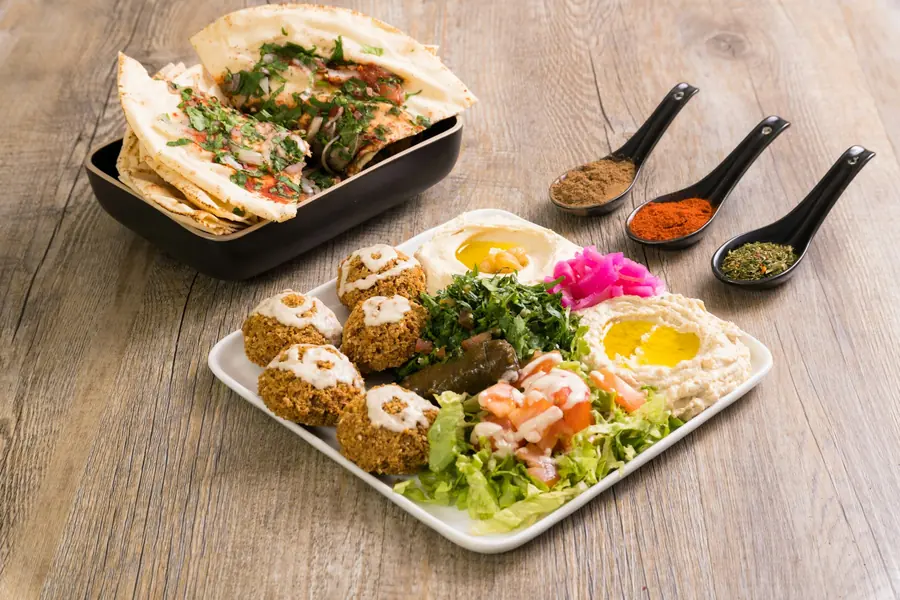
What we serve at Halal Basket
Our menu follows the pattern above. Plates over rice come with hummus, salad and a sauce — chicken with garlic sauce, gyro with tzatziki, beef with tahini. There is a gyro and chicken combination if you cannot choose, and kofta served with flatbread.
On the lighter side there are loaded wraps, a Greek salad with feta and olives, a garden salad, falafel, and two pizzas. All our menu items are made with halal ingredients, so the sourcing question does not need asking. The full menu lists what comes with each dish.
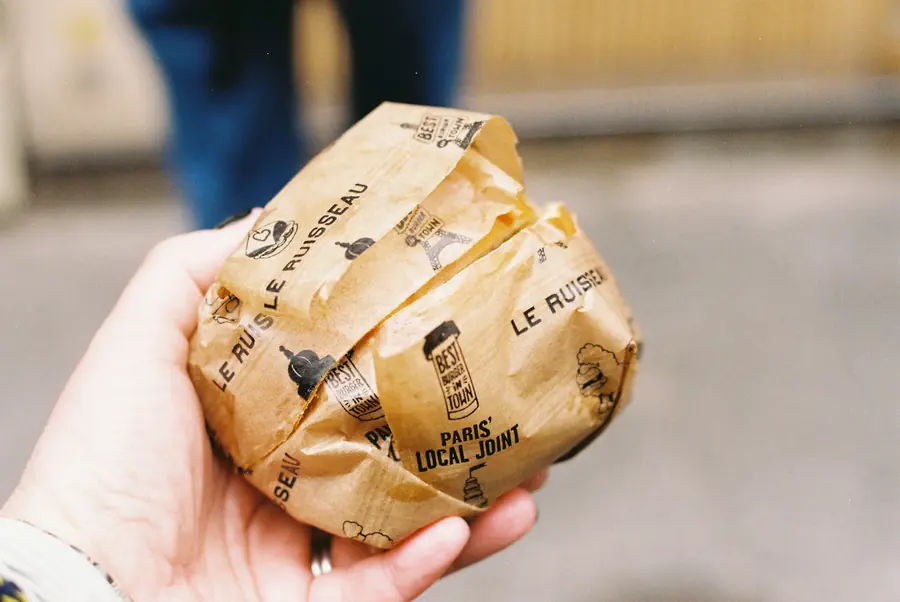
If you are ordering to take away rather than to eat in, the calculation shifts — our guide to what travels well covers what holds up on the drive and what does not.
Frequently asked questions
What should I order at a Mediterranean restaurant for the first time?
A rice plate with chicken is the easiest first order. It gives you grilled meat, seasoned rice, salad and a sauce on one plate, so you taste the main flavours of the cuisine without ordering anything unfamiliar. Add hummus for the table.
What is the difference between a plate and a wrap?
A plate is served over seasoned rice with salad and a dip, and eats as a full meal. A wrap is the same meat and salad rolled into flatbread, which is lighter and easier to eat on the move.
What is kofta?
Kofta is seasoned ground meat, shaped and grilled. It has a deeper, spicier flavour than plain grilled beef because the seasoning is mixed through the meat rather than sitting on the surface.
Is there much for vegetarians on a Mediterranean menu?
Usually yes. Falafel, hummus, salads, rice and roasted vegetables are all plant-based, and they are core parts of the cuisine rather than substitutions. If you avoid meat entirely, check how items are cooked and whether fryers are shared.
What is the yellow rice at halal restaurants?
Usually long-grain rice coloured with turmeric and cooked with onion and some fat, often with cumin or other warm spices and sometimes with fine toasted noodles stirred through it. Saffron produces a similar colour and a floral aroma but costs far more by weight, so most yellow rice at a counter is turmeric rice.
Mediterranean menus reward a bit of ordering strategy: one plate you are confident about, one thing you have never tried, and dips in the middle.
Have a look at the plates, wraps and salads before you come in — or order ahead and skip the queue.