
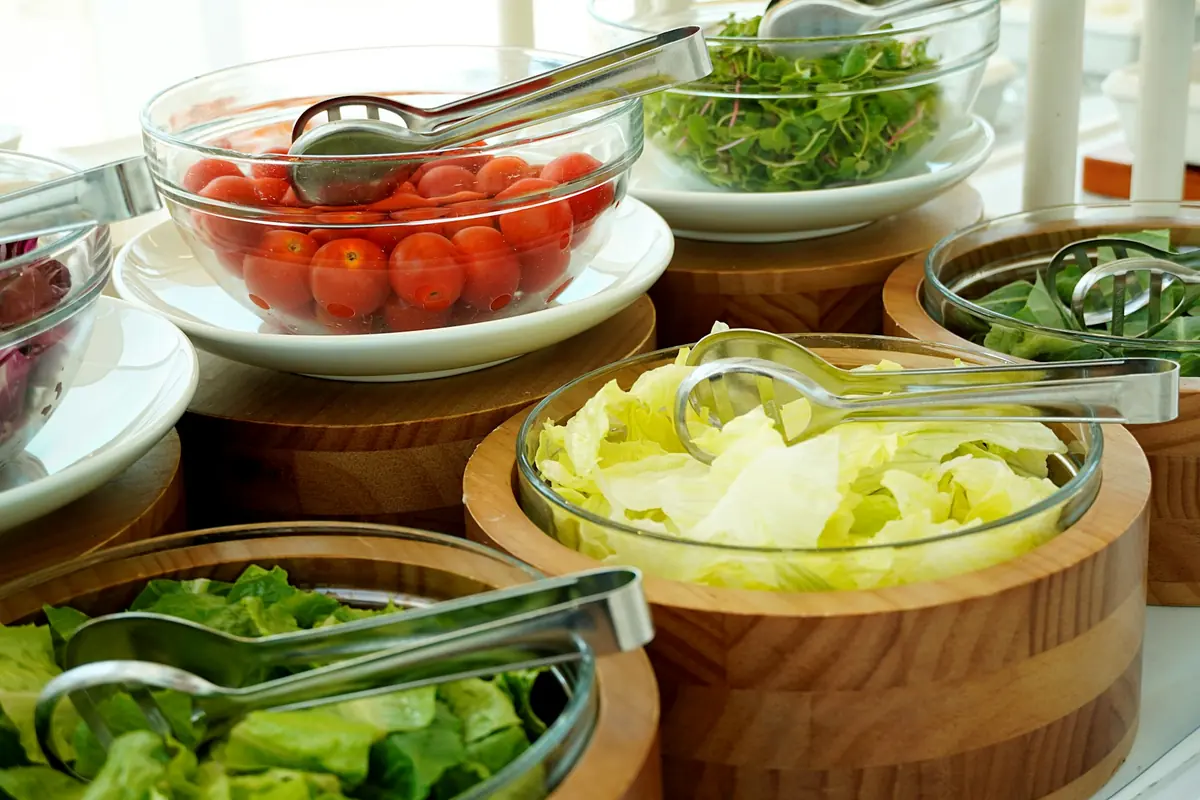
Salad occupies a different position on a Mediterranean menu than it does on an American one. It is rarely a starter and almost never an afterthought — it is a component of nearly every plate, and often a meal in itself.
Here is what the main ones are, how they differ, and which to order depending on what else is on the table.
The short answer
The main Mediterranean salads are Greek (tomato, cucumber, onion, olives and feta), garden or house (leafy and lighter), fattoush (with crisp pieces of pita), tabbouleh (mostly parsley with bulgur) and chopped salads (finely diced vegetables, no leaves). Most are dressed simply with olive oil and lemon rather than a creamy dressing.
Why salad matters more here
Two reasons. First, it arrives with the food rather than before it — a rice plate comes with salad on the same plate, not as a separate course. Second, the acid does a job: lemon and vinegar cut through grilled and fatty meat in a way that changes how the whole plate eats.
The Mediterranean pattern of eating is built heavily on vegetables, which Harvard’s nutrition source discusses as a core feature of the diet rather than an accompaniment to it.
The main salads
Greek salad
Tomato, cucumber, onion, olives and feta, dressed with olive oil and oregano. In Greece it traditionally contains no lettuce at all, though most versions outside Greece add some. It is the richest of the salads because of the cheese.
Garden or house salad
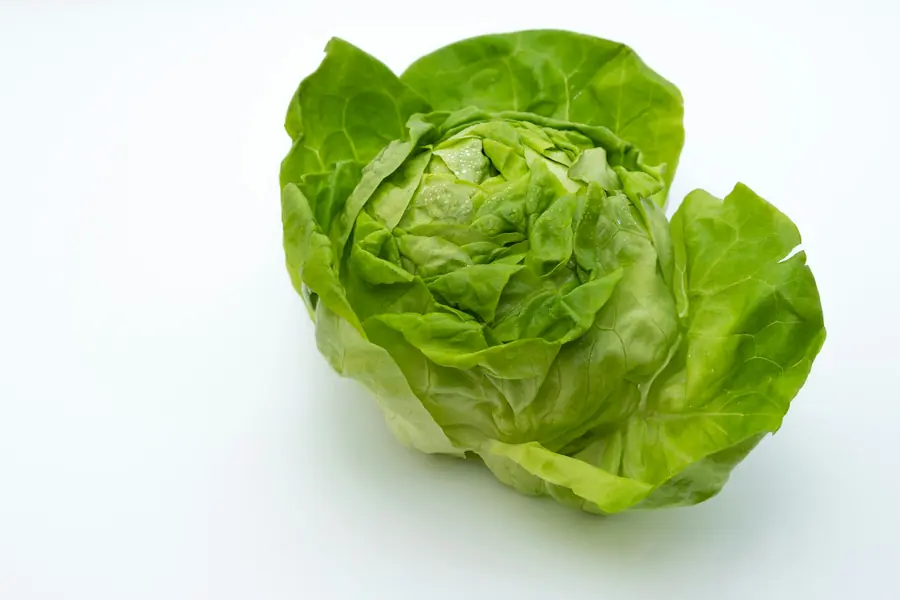
The lighter option: lettuce, tomato, cucumber, onion, sometimes carrot. It is the one to order when the rest of the meal is heavy, and the one children will usually eat.
Fattoush
A Levantine salad of mixed vegetables with pieces of toasted or fried pita through it, dressed with lemon and often sumac. The bread softens slightly in the dressing, which is the entire point of the dish.
Tabbouleh
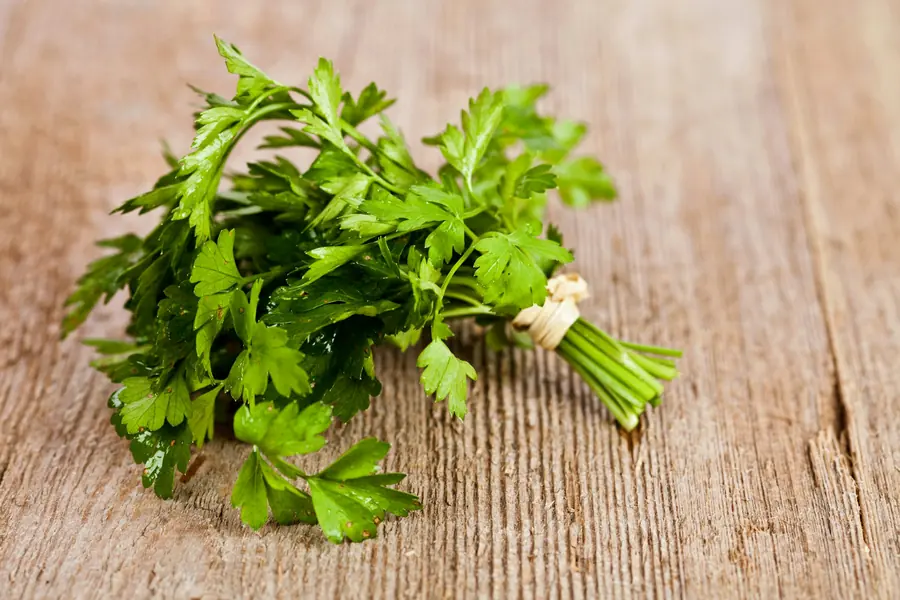
Mostly parsley, finely chopped, with a small amount of bulgur wheat, tomato, lemon and olive oil. American versions often invert the ratio and serve mostly grain, which is a different dish. Bright and very fresh.
Chopped and shepherd salads
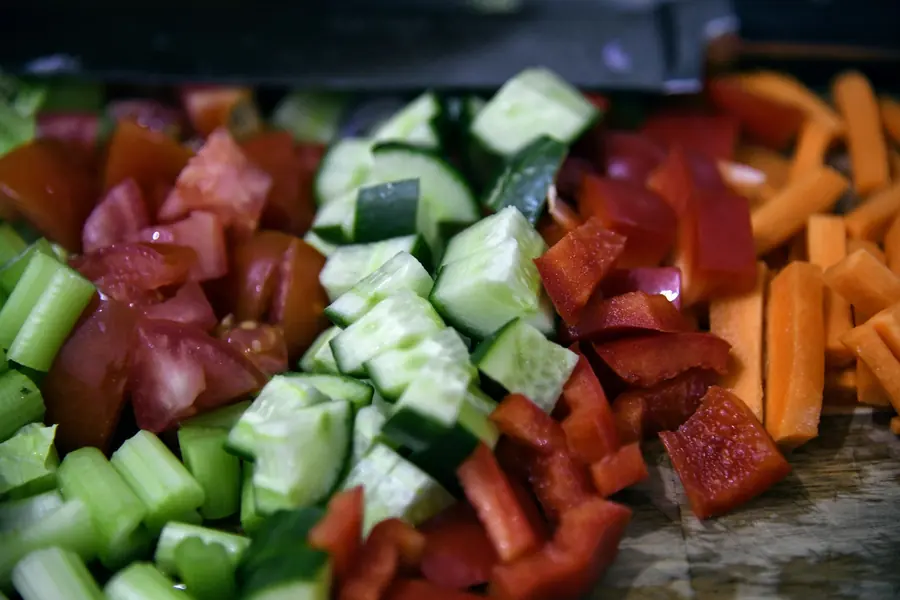
Finely diced tomato, cucumber and onion with no leaves at all. Turkish çoban salatası and the Levantine chopped salad are versions of the same idea. Because everything is cut small, it works as a topping as much as a side.
Side by side
| Salad | Base | Character | Best with |
|---|---|---|---|
| Greek | Tomato, cucumber, olives, feta | Rich and salty | Grilled meat, as a light meal on its own |
| Garden / house | Lettuce and mixed vegetables | Light and neutral | Anything heavy; the safest all-rounder |
| Fattoush | Vegetables with crisp pita | Tangy, with texture | Mezze spreads and sharing |
| Tabbouleh | Parsley with a little bulgur | Very fresh and herbal | Rich grilled meat |
| Chopped / shepherd | Finely diced vegetables | Clean and sharp | Spooning over rice and wraps |
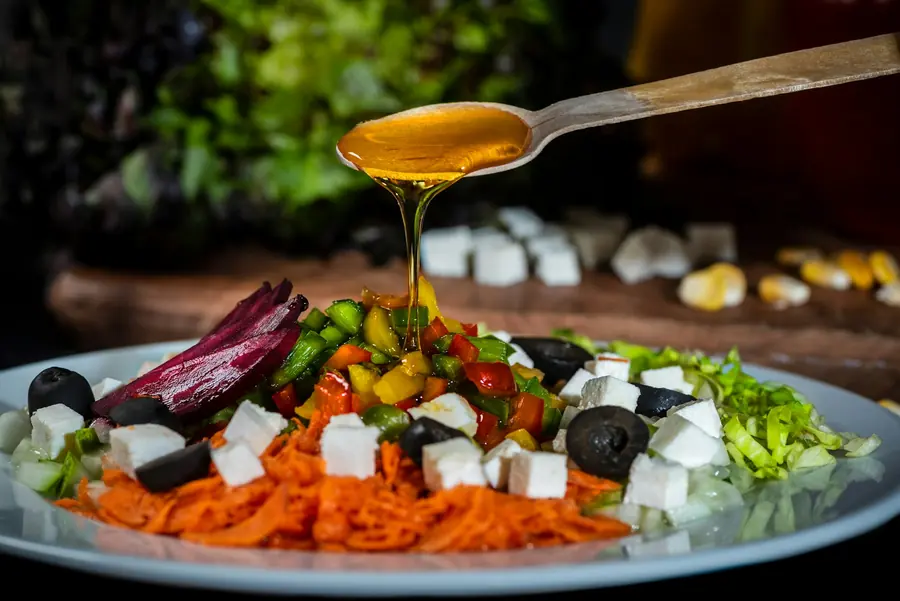
Salads also carry a lot of the weight if you are ordering with the Mediterranean eating pattern in mind — our guide to eating out on the Mediterranean diet covers how to build a balanced plate from a standard menu.
Turning a salad into a meal
Almost every Mediterranean restaurant will add grilled meat to a salad, and it is one of the better-value orders on the menu — you get the same protein as a plate without the rice.
If you want it to be filling without meat, ask for hummus or falafel alongside rather than more salad. Our guide to vegetarian options covers how to build that into a full meal.
A note on dressings
Most Mediterranean salads are dressed with olive oil, lemon or vinegar and salt. Creamy dressings are the exception rather than the rule, which is worth knowing if you are expecting something closer to a ranch or Caesar.
For takeout or group orders, ask for dressing on the side. Dressed leaves do not survive twenty minutes in a bag, and it is the most common reason a delivered salad disappoints.
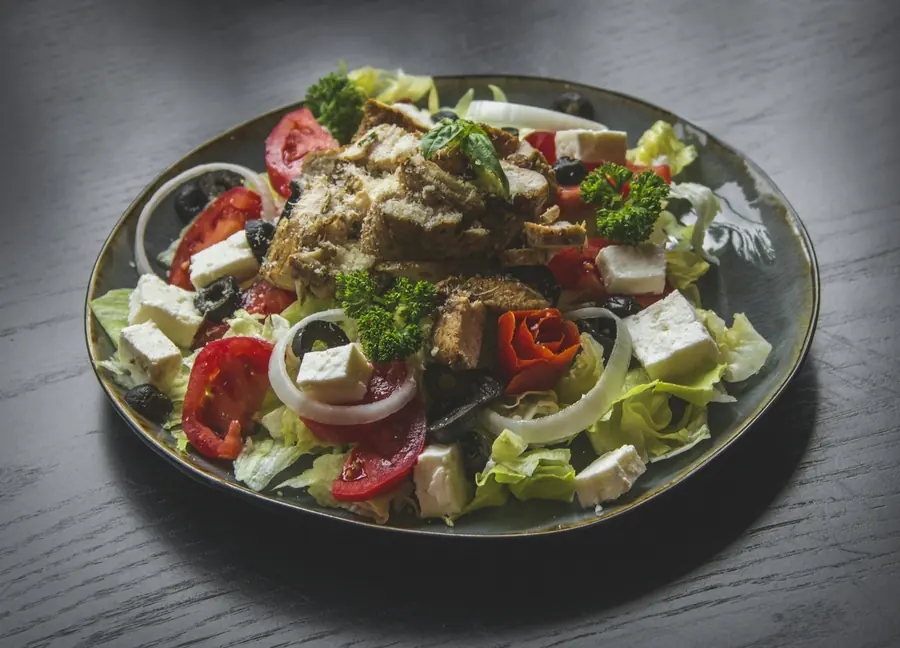
One more practical note: ask how the salad is cut. Finely diced salads sit better on top of rice and inside wraps, while leafy ones eat better on their own with a fork. It is a small thing that changes how the plate works.
The one ingredient that changes everything
Sumac is worth knowing about. It is a dark red, coarsely ground berry with a sharp, almost lemony sourness, and it is scattered over salads across the Levant — fattoush in particular.
If you have eaten a Mediterranean salad and found it brighter than the ingredient list suggested, sumac is usually why. It does the job of extra lemon without adding liquid, which keeps the vegetables crisp.
Ordering several as a meal
Two or three salads together make a better lunch than one large one, and it is how the food is eaten across most of the region. The trick is to pick ones that do different jobs rather than three variations on the same thing.
- One sharp — tabbouleh or a chopped salad, heavy on lemon and herbs.
- One substantial — a Greek salad, or anything with cheese or protein in it.
- One with texture — fattoush, where the crisp bread does the work.
- Something to scoop with — hummus and bread, which turns the combination into an actual meal.
Seasonality, and why the tomatoes matter
Mediterranean salads are built from very few ingredients, which means the quality of each one is exposed. A Greek salad is essentially tomato, cucumber and cheese — there is nowhere for a poor tomato to hide.
That is worth knowing when you order. In deep winter, salads leaning on cooked or preserved elements — olives, pickles, roasted vegetables — often eat better than the purely raw ones.
Salads on our menu
We serve a Greek salad with lettuce, tomatoes, cucumber, onions, olives, feta cheese and Greek dressing, and a garden salad with lettuce, tomatoes, cucumbers, onions and carrots. There are also two creamy chicken salads — one with pasta, one with potatoes and peas — and you can add meat to any salad.
Every rice plate also comes with salad and hummus as standard, so you do not need to order one separately to get it. The full menu lists what comes with each dish.
The shredded salad on an American halal plate is a different thing again, and it exists for a reason — our history of the halal cart covers what each component of that plate is doing.
Frequently asked questions
What is sumac and why is it on my salad?
Sumac is a ground berry with a sharp, lemony sourness, scattered over salads across the Levant and especially over fattoush. It adds acidity without adding liquid, which keeps the vegetables crisp.
What is in a Greek salad?
Tomato, cucumber, onion, olives and feta cheese, dressed with olive oil and oregano. Traditional Greek versions contain no lettuce, though most versions served outside Greece include some.
What is the difference between fattoush and tabbouleh?
Fattoush is a mixed vegetable salad with pieces of crisp pita through it. Tabbouleh is mostly finely chopped parsley with a small amount of bulgur wheat, tomato and lemon. Fattoush has bread; tabbouleh is herb-based.
Are Mediterranean salads dressed with anything creamy?
Usually not. Olive oil with lemon or vinegar is the standard, which is lighter and sharper than the creamy dressings common in American salads. Creamy versions exist but are the exception.
Can you make a Mediterranean salad a full meal?
Yes. Most restaurants will add grilled meat to any salad, and pairing one with hummus, falafel or bread turns it into a substantial meal without needing a rice plate.
Salad is doing structural work on a Mediterranean plate rather than sitting beside it. Ordering with that in mind — something sharp against something rich — is most of the skill.
Greek salad, garden salad and creamy chicken salads, plus salad with every plate.