
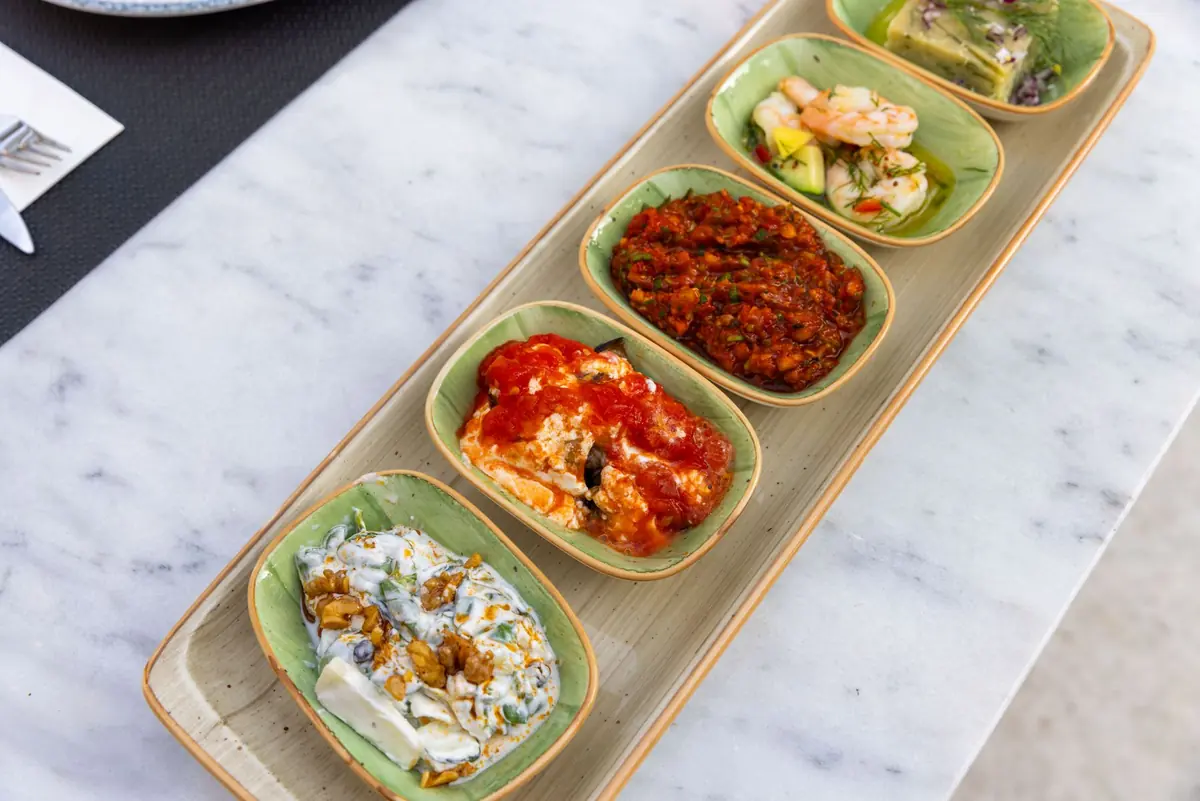
It is one of the most common questions people ask before booking a table or placing an order: Mediterranean menus are full of grilled meat, rice and flatbread, so does that make them halal? The honest answer is that it depends entirely on the kitchen, not the cuisine.
Here is what actually determines whether a Mediterranean meal is halal, which dishes tend to be straightforward, and the questions worth asking before you order.
The short answer
Mediterranean food is not automatically halal. “Mediterranean” describes a region and a style of cooking; “halal” describes how food is sourced and prepared under Islamic dietary law. Many Mediterranean dishes are easy to serve halal, but only the restaurant can tell you whether its meat is halal and whether pork or alcohol is used anywhere in the kitchen.
Why the word “Mediterranean” tells you nothing on its own
Mediterranean cuisine covers an enormous area — Lebanon, Turkey, Greece, Morocco, Egypt, Italy, Spain and more. Those kitchens share ingredients like olive oil, lemon, garlic, chickpeas and grilled meat, but they have completely different rules about what goes in the pan.
Halal is a separate question. It concerns which animals are permitted, how they are slaughtered, and whether the food has come into contact with anything forbidden. A restaurant can cook beautiful Mediterranean food and still serve pork sausage at the next table.
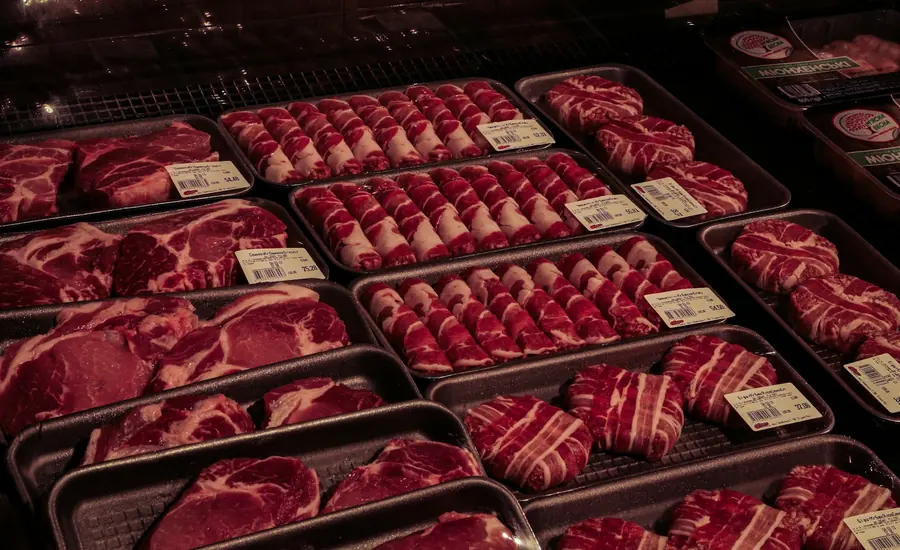
What halal actually requires
In practice, a halal kitchen is dealing with three things at once:
- Permitted animals. Pork and its by-products are excluded entirely, which matters more on Mediterranean menus than people expect.
- Method of slaughter. Beef, lamb and chicken must be slaughtered according to Islamic requirements — this is what “halal meat” usually refers to.
- No cross-contamination. Shared fryers, shared grills and shared utensils can undo everything above.
The Islamic Food and Nutrition Council of America publishes a plain-language explanation of what halal certification covers, which is a useful reference point if you want to understand what a certifying body actually checks.
Halal, zabiha and “we don’t serve pork” are three different claims
These get used interchangeably and they do not mean the same thing, which is the source of a lot of confusion at the counter.
- “We don’t serve pork.” The narrowest claim. It says nothing about how the beef, lamb or chicken was slaughtered.
- “Our meat is halal.” The meat was sourced from a halal supplier. This is what most restaurants mean when they describe themselves as halal.
- “Zabiha” refers specifically to the method of slaughter. Some diners use it to mean a stricter standard than a general halal claim.
None of these is dishonest — they are just answers to different questions. If a particular standard matters to you, name it when you ask rather than asking whether the food is “halal” in general.
Where Mediterranean menus commonly diverge
Three things trip people up. Greek gyro meat is traditionally made with pork in Greece. Wine, brandy and beer appear in braises, marinades and sauces across Italian, Greek and Spanish cooking. And cured pork — pancetta, prosciutto, chorizo — turns up in dishes whose names give no hint of it.
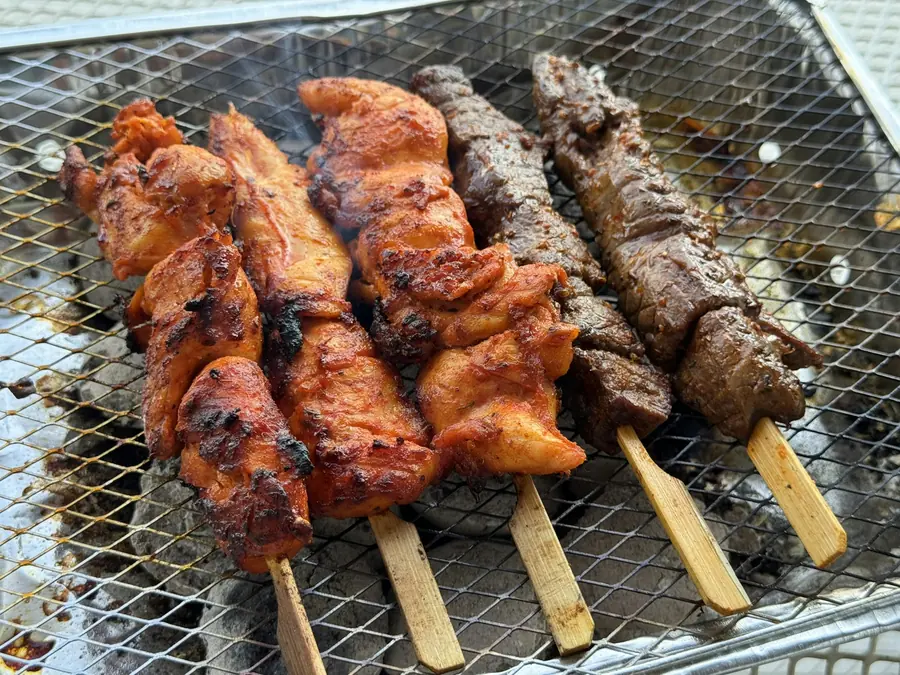
Which dishes are usually straightforward, and which need checking
This is a general guide to the kind of dish, not a verdict on any particular restaurant. Always confirm with the kitchen.
| Dish | Usually straightforward? | What to check |
|---|---|---|
| Hummus, baba ganoush, mezze dips | Yes | Normally plant-based; check nothing is finished with a meat stock |
| Falafel | Yes | Chickpea-based — the fryer is the thing to ask about |
| Greek salad, garden salad | Yes | Dressing only |
| Chicken or beef over rice | Depends on sourcing | Whether the meat itself is halal |
| Gyro meat | Depends heavily | Traditionally pork in Greece; many US kitchens use beef and lamb instead |
| Shawarma | Usually chicken, beef or lamb | Sourcing of the meat |
| Kofta and kebabs | Depends on sourcing | Meat sourcing; some recipes add wine |
| Braises, stews and pan sauces | Needs checking | Wine and brandy are common in Mediterranean braising |
| Pizza and pasta with cured meat | No | Pancetta, prosciutto and chorizo are pork |
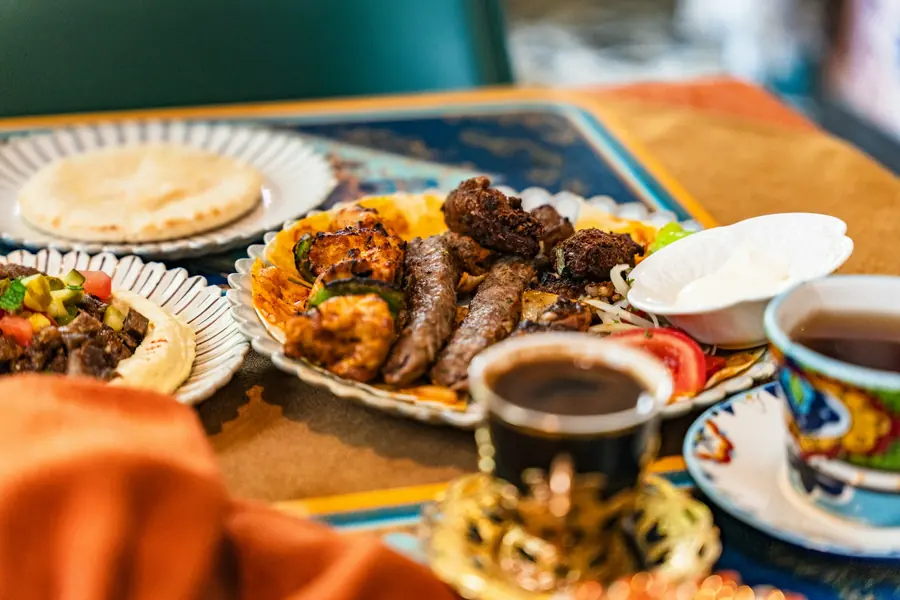
Knowing what to ask is half of it; knowing how to read the answer is the other half. Our guide to telling whether a restaurant is really halal covers which signals carry weight and which ones look reassuring without meaning much.
Three questions worth asking before you order
- Is the meat halal, and all of it? Some kitchens serve halal chicken but conventional beef. It is a fair and normal question to ask.
- Is pork served anywhere in the building? If the answer is no, the cross-contamination question largely takes care of itself.
- Is alcohol used in cooking? Not just at the bar — in marinades, deglazing and desserts.
A restaurant that takes halal seriously will answer all three without hesitation. Vagueness is itself an answer.
It is also worth knowing that the risk is not evenly spread. A kitchen that serves no pork at all has very little to go wrong; a kitchen that serves both has to manage separate fryers, separate boards and separate utensils through a busy service. That is why many diners simply prefer restaurants where the whole menu is built the same way — there is nothing to keep apart.
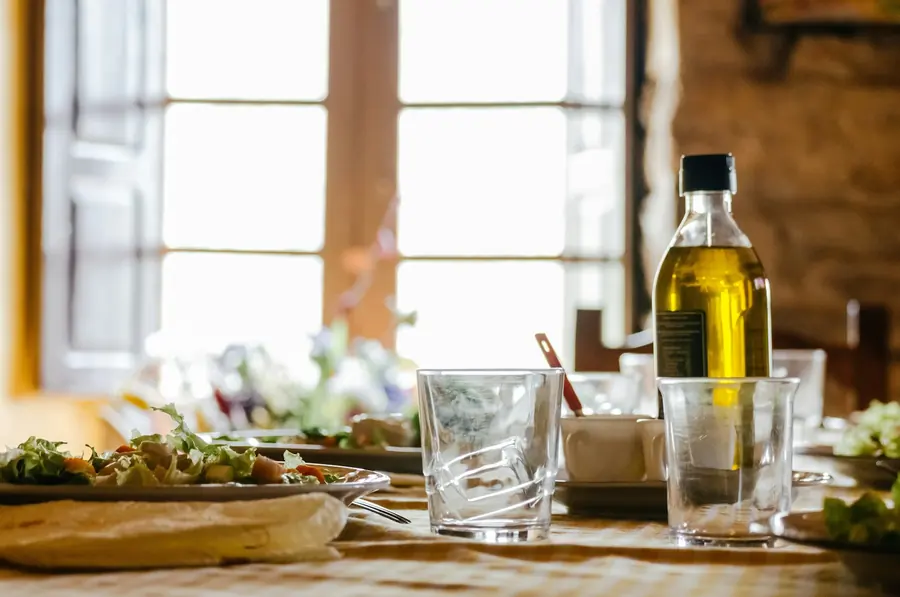
Two dishes deserve their own mention because they hide more than most. Pizza is the obvious one — the cheese, the dough and the toppings each raise a separate question, which we work through in our guide to whether pizza is halal.
If you want the underlying rules rather than the Mediterranean case specifically, our overview of what halal actually covers sets out the whole picture — slaughter, alcohol, cross-contamination and the ingredients that are easy to miss.
Two cuisines worth knowing about specifically
Two questions come up far more than the rest. The first is Greek food, because pork is genuinely common in Greek cooking rather than incidental — we go through which Greek dishes are usually fine and which need checking separately.
The second is the gyro itself, which sits right at the centre of this confusion because the same word describes a pork dish in Athens and a beef and lamb dish in most of the US. If you want the detail, our comparison of gyro and shawarma covers how each is made and why the sourcing question differs between them.
Halal is also frequently compared with kosher, which follows a related but separate set of rules. If you are catering for people who follow either, our comparison of halal and kosher sets out where the two agree and where they part company.
How this works at Halal Basket
We are a family-owned Mediterranean restaurant in San Marcos, Texas, and we state plainly on our menu that all our menu items are made with halal ingredients. There is no separate pork section to worry about.
That shapes the menu itself. Our gyro is not made the traditional Greek way with pork — you will find it served over rice with hummus, salad and tzatziki sauce, or rolled into a loaded wrap. Alongside it there is chicken shawarma, beef over rice, kofta with flatbread, falafel, and salads built fresh through the day. You can read through the full menu and what comes with each plate before you decide.
A question we get from the other direction just as often: can non-Muslims eat halal food? The answer is yes, and the reasons it gets asked at all are worth understanding.
Frequently asked questions
Is all Mediterranean food halal?
No. Mediterranean cuisine spans many countries, and several of them cook with pork and wine. Individual dishes such as hummus, falafel and salads are usually fine, but meat dishes depend entirely on how the restaurant sources and prepares them.
Is gyro meat halal?
It depends on the kitchen. Gyro in Greece is traditionally made with pork, which is not halal. Many restaurants outside Greece make gyro from beef and lamb instead, so you need to ask what the meat is and whether it is halal.
Does a Mediterranean restaurant need halal certification?
Certification is one way a restaurant demonstrates its sourcing, but it is not the only one. Many smaller restaurants buy from halal suppliers without holding a certificate themselves. Ask where the meat comes from and whether pork is served anywhere on the premises.
Are falafel and hummus always halal?
They are plant-based, so the ingredients themselves are normally fine. The questions worth asking are whether the falafel shares a fryer with non-halal items and whether any dip has been finished with a meat-based stock.
Mediterranean cooking and halal eating fit together comfortably, but the cuisine label alone will never answer the question for you. The kitchen does.
If you are eating in San Marcos and want to skip the interrogation, our whole menu is built on halal ingredients — so the only decision left is what to order, and our guide to ordering at a Mediterranean restaurant covers that.
Browse the plates, wraps, pizzas and sides, or call if you would like to ask us anything about how the food is prepared.