
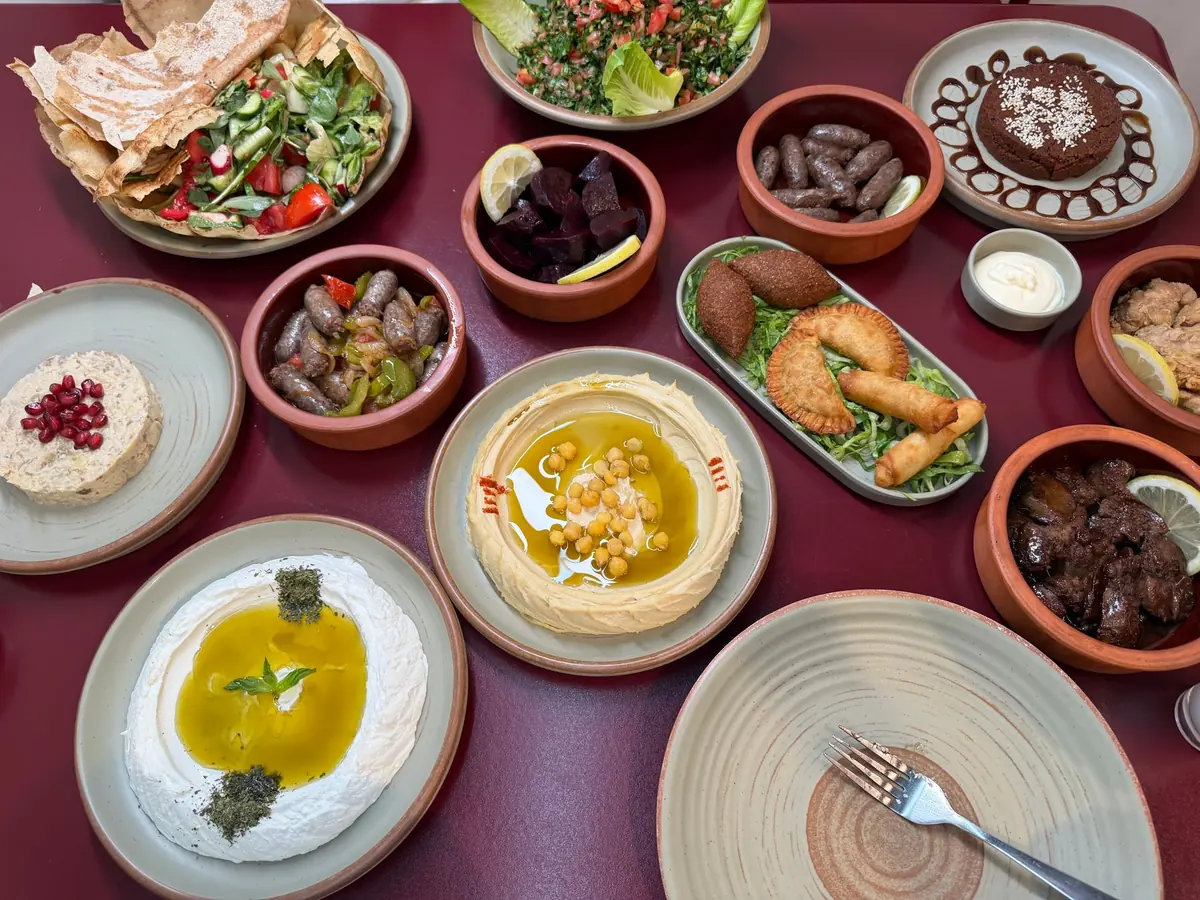
Mediterranean restaurants are one of the easier places to eat well without meat, and not because they offer a token substitute. A large part of the cuisine was already built around vegetables, pulses and grains.
Here is what to look for on the menu, and the two questions worth asking before you assume a dish is meat-free.
The short answer
Hummus, falafel, salads, rice, roasted vegetables and most dips are the core vegetarian options at a Mediterranean restaurant, and together they make a full meal rather than a side. The two things to check are whether falafel and fries share a fryer with meat, and whether any dip or rice was made with a meat-based stock.
Why this cuisine suits vegetarians
Meat has historically been used sparingly across the Mediterranean, with legumes, grains, vegetables and olive oil carrying most meals. The Academy of Nutrition and Dietetics notes that well-planned vegetarian eating patterns are built on exactly these foods — beans, pulses, whole grains, vegetables and nuts.
The practical upshot is that the vegetarian options on a Mediterranean menu are usually original dishes rather than adaptations, which is why they tend to be better than the vegetarian option at a steakhouse.
What to order
Dips and mezze
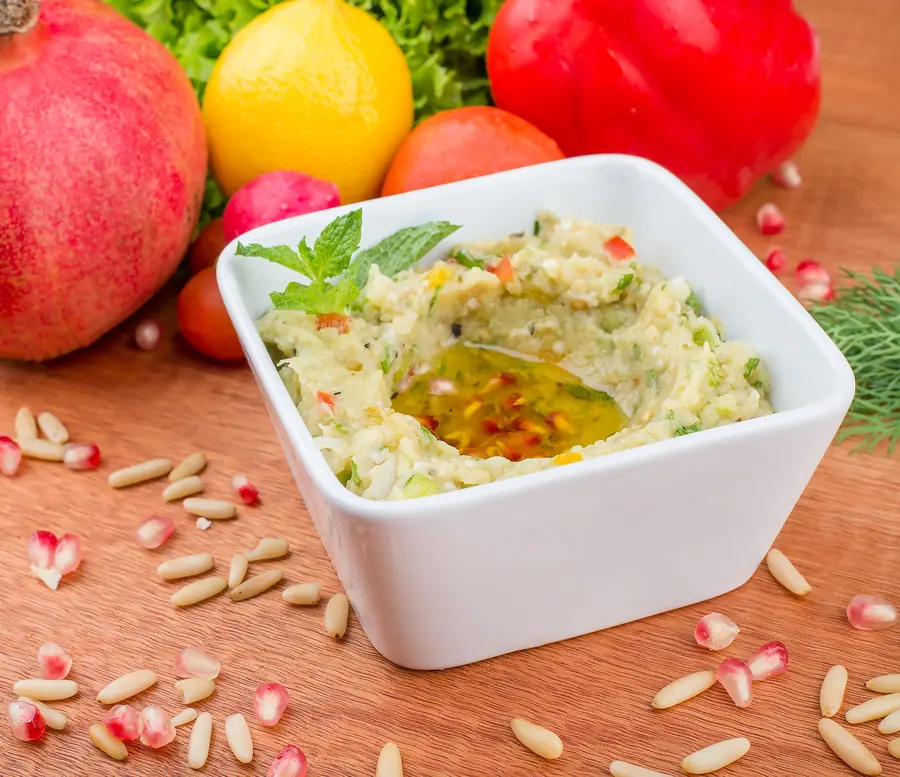
Hummus is chickpeas, tahini, lemon and garlic. Baba ganoush is the same idea with smoky aubergine instead of chickpeas. Both are plant-based and both are designed to be eaten with bread, which makes them a genuine course rather than a starter.
Falafel
Ground chickpeas with herbs and spices, shaped and fried. Falafel is the closest thing this cuisine has to a vegetarian main: filling, protein-rich and served the same way meat is — in a wrap, over rice, or on a plate with salad and tahini.
Salads
Mediterranean salads are substantial. A Greek salad with feta, olives, cucumber and tomato is a meal on its own. Tabbouleh and fattoush, where they appear, are grain and bread salads rather than leaves.
Vegetables and sides
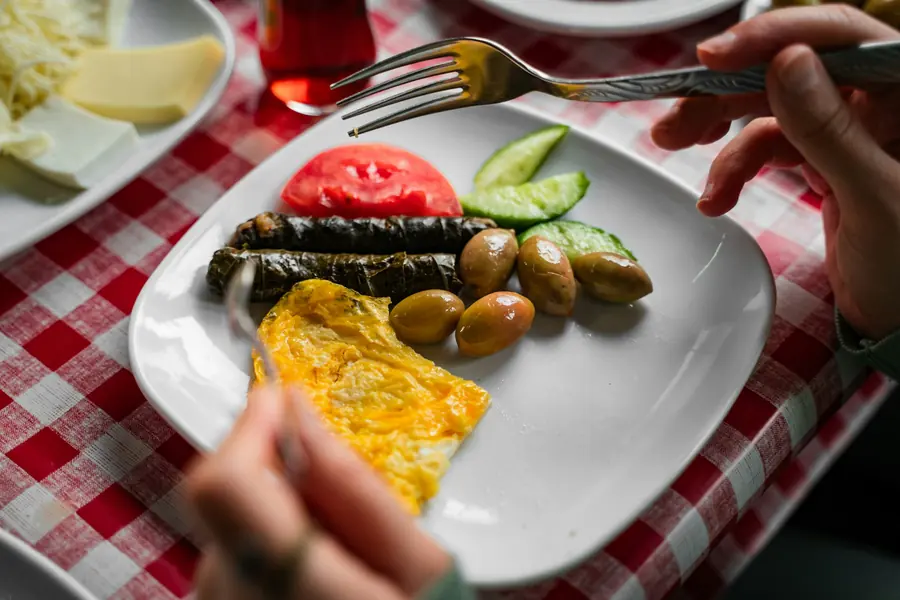
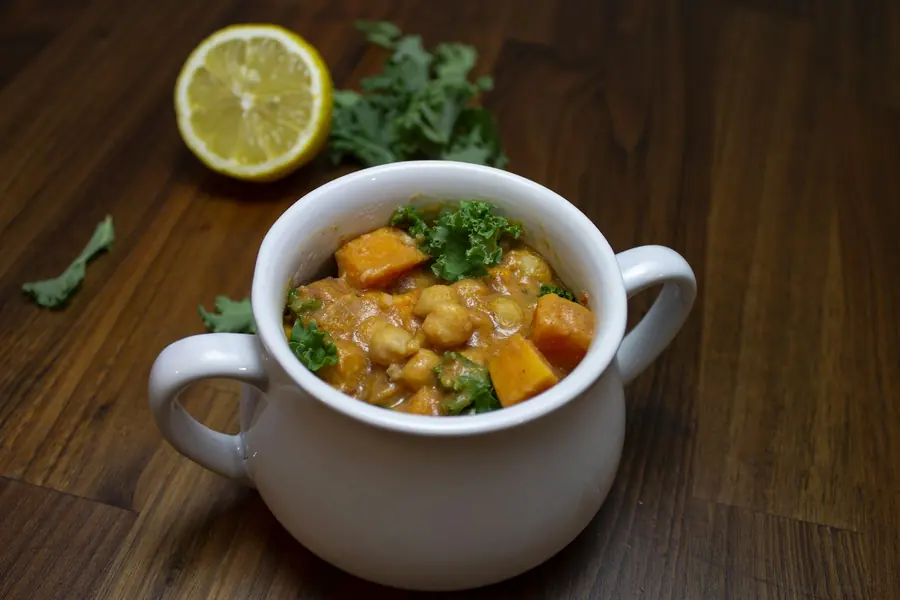
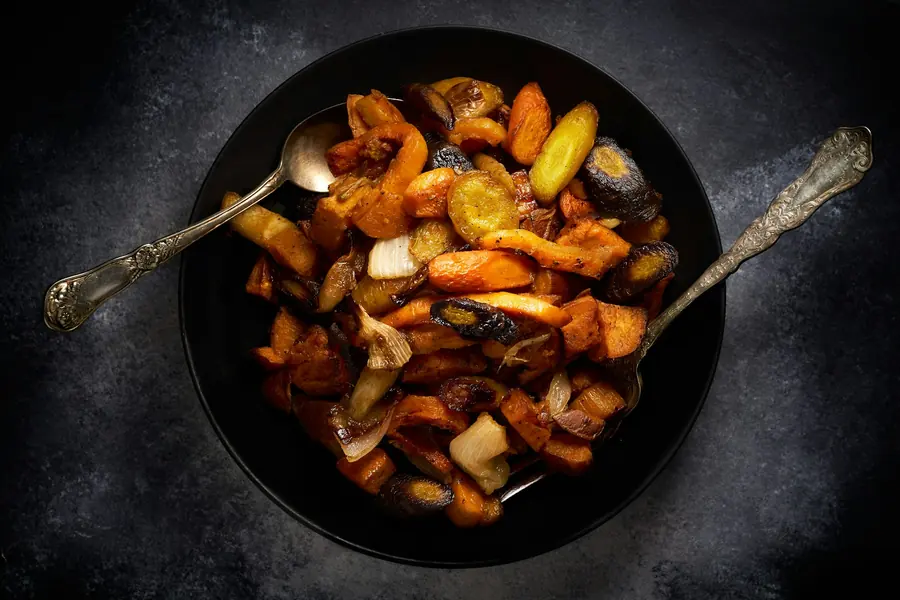
Roasted or spiced potatoes, rice, stuffed vine leaves, grilled vegetables. Two or three of these together, with a dip and bread, make a better meal than one large plate of anything.
The two questions to ask
- Is the fryer shared? Falafel and fries are often cooked in the same oil as meat items. If you are strictly vegetarian, this is the single most important question, and it is one many people never think to ask.
- Is there stock in the rice or the dips? Seasoned rice is sometimes cooked in chicken stock, and a dip can be finished with something meat-based. Neither will be obvious from the description.
Neither question is awkward, and any kitchen will answer it. Assuming from the dish name is what causes problems.
A note on vegan and dairy
Vegetarian and vegan are not the same here. Tzatziki is yogurt-based, feta is cheese, and some breads and pastries contain butter or egg. Hummus, baba ganoush, tahini, falafel and most salads without cheese are usually plant-based, but confirm with the restaurant rather than relying on a general rule.
What is reliably vegan, and what only looks it
The vegetarian answer at a Mediterranean restaurant is easy. The vegan one is narrower, and the line between them runs through the sauces and the finishing rather than through the main dishes.
Three things account for most of the confusion, and none of them appears in a dish name. Yogurt is the base of tzatziki and of several of the white sauces. Feta is scattered over a salad as a finish rather than listed as an ingredient. And butter or ghee is brushed onto bread and stirred through rice in many kitchens, which is invisible both on the plate and in the description.
| Item | Vegetarian | Vegan | What decides it |
|---|---|---|---|
| Hummus | Yes | Usually | Chickpeas, tahini, lemon, garlic and oil are plant-based; a few kitchens finish it with yogurt |
| Falafel | Yes | Usually | The mix itself is plant-based; the frying oil and any binder are the open questions |
| Baba ganoush | Yes | Usually | Eggplant and tahini, though mutabbal-style versions can include yogurt |
| Tzatziki | Yes | No | Yogurt is the base, not a garnish |
| Greek salad | Yes | No | Feta |
| Garden salad | Yes | Usually | The dressing, and whether cheese has been added |
| Pita and flatbread | Yes | Usually | Enriched breads can contain milk, butter or egg, and bread is sometimes brushed before serving |
| Seasoned rice | Yes | Depends | Stock and butter are both common, and neither is visible |
“Usually” is doing real work in that table. It means the dish is plant-based as normally made and that any exception is a decision taken in a particular kitchen rather than a rule of the cuisine — which is exactly the kind of thing a menu will never tell you.
Ordering vegan from our menu
The items on our menu whose descriptions contain neither meat nor dairy are the falafel, the garden salad, rice, plain french fries and the spicy skillet-roasted potatoes. The Greek salad has feta and the Veggie Garden Pizza has cheese, so both are vegetarian rather than vegan.
A menu description tells you what goes into a dish, not how it was cooked. If you are ordering strictly vegan, ask us about the fryer and about anything that might have been cooked in stock or finished with butter, rather than working it out from the wording.
Telling the yogurt-based sauces apart from the plant-based ones is the single most useful skill here, and our guide to garlic sauce, tzatziki and tahini sets out which is which. Sesame is the other thing worth knowing about, since tahini runs through most of the plant-based options — our guide to allergens on a Mediterranean menu covers where it appears.
Vegetarian guests in a group order
Catering and group orders are where vegetarians usually get short-changed, because the vegetarian option is treated as a headcount rather than as food everyone might want.
In practice, dips, falafel, salads and roasted vegetables get eaten by the whole table, not only by the vegetarians present. If you are ordering for a group, order more of them than the number of vegetarians would suggest — otherwise those dishes disappear first and the vegetarian guests are left with whatever remains.
The dip section is the most reliably plant-based part of most Mediterranean menus. Our guide to hummus, baba ganoush and the other dips covers which of them are vegan and which are yoghurt-based.
Building a full meal rather than a side plate
The most common vegetarian mistake at a Mediterranean restaurant is ordering one thing. The cuisine does not really work that way, and a single dip or salad will leave you hungry.
A more reliable pattern is three or four smaller items doing different jobs: something creamy, something fried or roasted, something fresh, and bread or rice to carry it.
| Role | Order | Why it belongs |
|---|---|---|
| Something creamy | Hummus or baba ganoush | Rich, filling, and made for bread |
| Something substantial | Falafel | The protein anchor of the meal |
| Something fresh | Greek or garden salad | Cuts through the fried and creamy elements |
| Something to carry it | Rice, potatoes or flatbread | Turns small plates into a meal |
Where the protein comes from
Chickpeas do most of the work — in falafel, in hummus, and often in salads. Sesame in the form of tahini adds more. Dairy, if you eat it, comes through feta and yogurt sauces.
That combination is why a vegetarian Mediterranean meal tends to feel like a meal rather than a collection of sides. It is worth ordering with that in mind rather than hunting for a single centrepiece dish.
Vegetarian options on our menu
We serve falafel, hummus with every plate, a Greek salad with feta and olives, a garden salad, rice, plain and loaded fries, spicy skillet-roasted potatoes, and a Veggie Garden Pizza topped with mushrooms, spinach, tomato, onions, olives and cheese.
If you have a specific requirement — shared fryers, dairy, or anything else — get in touch and ask us directly rather than guessing from the menu. Our general ordering guide covers how the rest of the menu is put together.
Seafood carries its own halal question, and it is the one area where the schools of thought genuinely diverge. Our guide to whether seafood is halal sets out the different positions on fish, shrimp and shellfish.
A note on pescatarians
Mediterranean menus in the US vary widely on fish. Coastal traditions across the region use a great deal of it, but many US Mediterranean restaurants focus on grilled meats and mezze instead, so seafood may be limited or absent. If you eat fish but not meat, it is worth checking the menu before you arrive rather than assuming it will be there.
A vegetarian label on a packet is a useful shortcut for halal shoppers, but it covers only half the question — we go through what it rules out and what it misses.
Frequently asked questions
Do Mediterranean restaurants have vegan options?
Usually several, though they are not always labelled. Hummus, baba ganoush, tahini, falafel, salads without cheese, rice and roasted vegetables are typically plant-based. Confirm with the restaurant, particularly about shared fryers and whether any rice is cooked in stock.
What can vegetarians eat at a Mediterranean restaurant?
Hummus, baba ganoush, falafel, salads, rice, roasted vegetables and stuffed vine leaves are the usual options, and together they make a full meal. These are original dishes in the cuisine rather than substitutions, which is why the vegetarian choice is generally strong.
Is falafel vegetarian?
Falafel itself is made from ground chickpeas or fava beans with herbs and spices, so the recipe is plant-based. The thing to check is whether it is fried in oil shared with meat items.
Is hummus vegan?
Hummus is normally made from chickpeas, tahini, lemon, garlic and olive oil, all of which are plant-based. Recipes vary, so if you avoid animal products entirely it is worth confirming with the restaurant.
Is tzatziki vegetarian?
Tzatziki is vegetarian but not vegan, because it is made with yogurt. If you avoid dairy, tahini or a garlic sauce made without yogurt is usually the better choice.
Is falafel vegan?
Falafel is made from ground chickpeas or fava beans with herbs and spices, so the mix itself is plant-based. What decides the answer in a restaurant is the frying oil and whether any binder was used, and both are worth asking about rather than assuming.
Is pita bread vegan?
Plain flatbread is usually flour, water, yeast, salt and oil, which is plant-based. Enriched versions can contain milk, butter or egg, and bread is sometimes brushed with butter before it is served, so it is worth asking rather than reading it off the menu.
Mediterranean menus reward vegetarians who order like everyone else does — several small things rather than one large one.
Ask the two questions about fryers and stock once, at a restaurant you expect to return to, and you will not need to ask them again.
Falafel, hummus, salads and a vegetable pizza are all on the menu.