Halal is one of those words most people have seen on a sign without ever being told what it covers. It is not a cuisine, not a flavour, and not a health claim.
This is the overview: what the word actually means, what it governs, how it works in a restaurant kitchen, and where to go for the detail on particular cuisines and dishes.
The short answer
Halal is an Arabic word meaning permissible. Applied to food, it describes what may be eaten under Islamic dietary law: no pork, no alcohol, and meat from permitted animals slaughtered by a specific method. It is a statement about sourcing and preparation, not about the style of cooking.
What halal actually governs
The rules cover more ground than most people expect, and they apply to the whole supply chain rather than only to the plate.
- Which animals may be eaten. Pork is excluded entirely, along with its by-products — gelatin, lard and certain enzymes included.
- How they are slaughtered. By hand, with a swift cut, by a Muslim, with the name of God invoked, and with the blood drained.
- Alcohol. Prohibited as an intoxicant, which extends to wine in a sauce and to alcohol-based flavourings and extracts.
- Cross-contamination. Shared fryers, grills, boards and utensils can undo correct sourcing.
- Ingredients you never see. Emulsifiers, enzymes, gelatin and flavourings are where most of the difficult cases live.
Britannica’s entry on halal and its place in Islamic law gives the broader religious context if you want it.
Halal, zabiha and “no pork” are different claims
These three get used as if they were interchangeable, and the confusion causes most of the misunderstandings at a counter.
| The claim | What it actually tells you |
|---|---|
| “We don’t serve pork” | Only that pork is absent. Says nothing about how the other meat was slaughtered. |
| “Our meat is halal” | The meat came from a halal supplier. This is what most restaurants mean. |
| “Zabiha” | Refers specifically to the method of slaughter; some diners use it to mean a stricter standard. |
| “Halal certified” | A third party has audited the sourcing. Certification bodies and standards vary. |
None of these is dishonest. They answer different questions. If a particular standard matters to you, name it when you ask rather than asking whether the food is “halal” in general.
A restaurant’s menu is the first place this becomes visible, and it can be read before you speak to anyone. Our guide to what makes a menu halal covers what is absent from one, what the sourcing wording actually claims, and why the desserts and drinks are the revealing sections.
How it works in a restaurant
There is a practical difference between a kitchen that offers some halal options and one built halal throughout. In the first, correct sourcing has to survive a busy service alongside non-halal items — separate boards, separate fryers, separate utensils. In the second, there is nothing to keep apart.
That is why many diners simply prefer restaurants where the whole menu is built the same way. It removes the operational question rather than managing it.
A note on certification
There is no single global halal standard. Multiple bodies certify, their requirements differ at the margins, and certification is an ongoing cost aimed mainly at manufacturers rather than independent restaurants.
So the absence of a certificate on the wall is not evidence of anything. Plenty of small restaurants source correctly from halal suppliers without certifying themselves. What matters is whether they can tell you where the meat comes from and whether pork is handled on site.
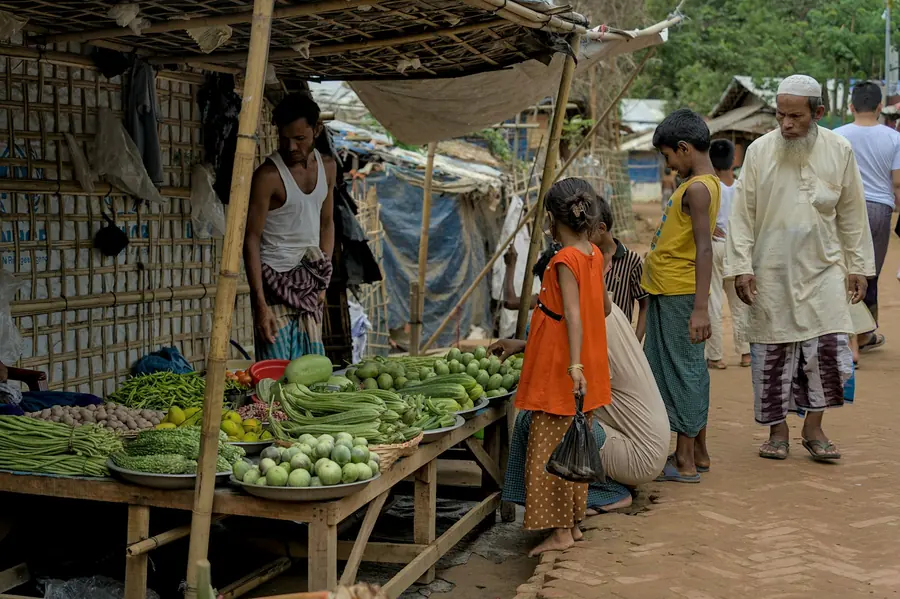
One further label is worth knowing, because it cuts across the others: Arabic food is defined by language rather than geography, which is why it covers both a Levantine mezze table and a Gulf rice platter.
Halal by cuisine
Cuisine tells you what is likely, not what is true — but the likelihood does vary a great deal, and it is worth knowing where the questions cluster. We have looked at each of these separately.
- Mediterranean food — a huge region with completely different rules from one end to the other.
- Greek food — the strictest case, because pork is a staple meat and wine is common in cooking.
- Turkish food — pork barely features, but alcohol is common and sourcing abroad varies.
- Lebanese food — largely straightforward, particularly at the mezze end of the menu.
- Pizza — more moving parts than it looks, between the meat, the cheese and the dough.
If you are comparing halal with the other major religious dietary system, our halal and kosher comparison sets out where the two agree and where they part company.
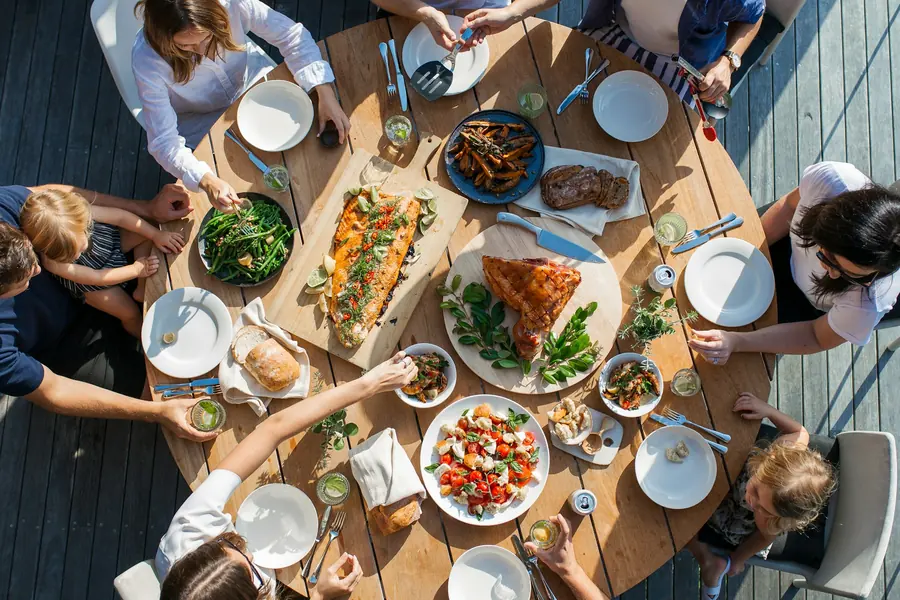
Asking is only useful if you can interpret what comes back. Our guide to telling whether a restaurant is really halal goes through what a reassuring answer sounds like, why a missing certificate proves less than people assume, and which visual signals mean almost nothing.
What to ask, in three questions
- Is all the meat halal, or only some of it? Some kitchens source halal chicken but conventional beef.
- Is pork served anywhere on the premises? If not, the cross-contamination question largely resolves itself.
- Is alcohol used in any of the cooking? Not just at the bar — in marinades, braises and desserts.
A restaurant that takes this seriously will answer all three without hesitation. Hesitation is itself an answer.
Three of those hidden cases are common enough to have guides of their own: cheese, where the question is an enzyme; french fries, where it is the shared fryer and the flavouring; and seafood, where the schools of thought genuinely differ.
Beyond the meat counter
Two areas catch people out because they are not obviously about meat at all.
Drinks. Alcohol is the obvious exclusion, but some soft drinks and energy drinks use alcohol-based flavour extracts, and a few use carmine or other animal-derived colourings. Most are fine; the point is that the question does not stop at the kitchen.
Desserts. Gelatin is the common issue, since it is frequently pork-derived, and it appears in mousses, marshmallows and some cheesecakes. Vanilla extract is alcohol-based in most commercial forms, and some syrups are finished with a spirit.
How this works at Halal Basket
We are a family-owned Mediterranean restaurant in San Marcos, Texas, and all our menu items are made with halal ingredients. There is no pork on the premises and no alcohol, so the three questions above are already settled.
The menu covers plates over rice, loaded wraps, chicken shawarma, kofta, salads, falafel, sides and two pizzas. If you are new to the food itself, our guide to ordering at a Mediterranean restaurant is the place to start.
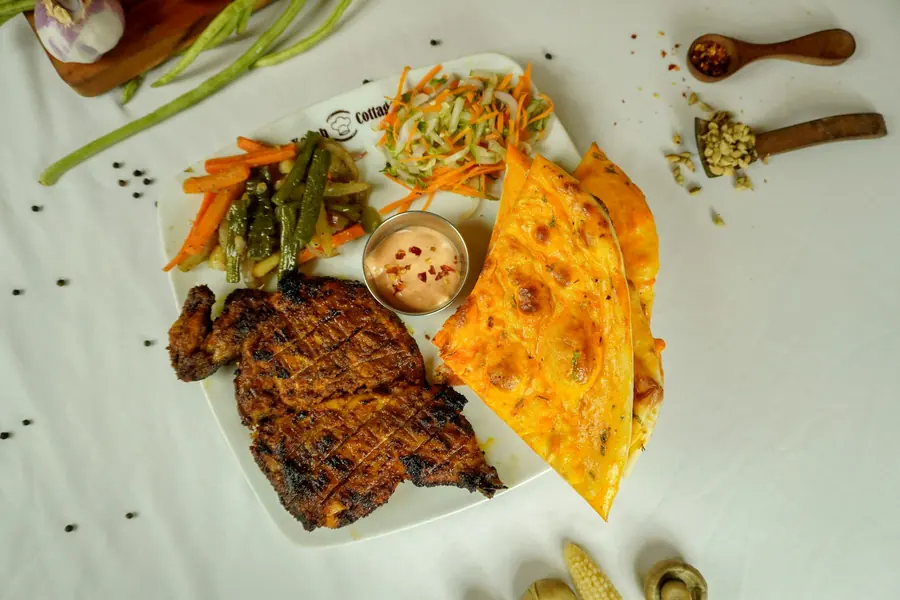
Two follow-on questions come up constantly once the general rules are clear: what zabiha means and how it differs from halal, and whether gelatin is halal, which is the ingredient that most often catches people out.
Frequently asked questions
What does halal mean?
Halal is an Arabic word meaning permissible. Applied to food it describes what may be eaten under Islamic dietary law: no pork, no alcohol, and meat from permitted animals slaughtered by a specific method with the blood drained.
Is halal only about meat?
No. The rules also cover alcohol, cross-contamination in the kitchen, and ingredients such as gelatin, enzymes, emulsifiers and flavourings. Most of the genuinely difficult cases are in processed ingredients rather than in meat.
Does a restaurant need halal certification to serve halal food?
Certification is one way of demonstrating sourcing, but it is not the only one. Many independent restaurants buy from halal suppliers without certifying themselves, since certification is an ongoing cost aimed mainly at manufacturers.
What is the difference between halal and zabiha?
Zabiha refers specifically to the method of slaughter. Some diners use the term to indicate a stricter standard than a general halal claim, so if it matters to you it is worth naming when you ask.
Is halal food healthier?
Halal is a religious dietary standard about sourcing and preparation, not a nutritional one. It makes no claim about calories, fat or nutrients, and halal food spans the same range as any other cooking.
Halal is a statement about how food was sourced and prepared, not about what kind of food it is. That is why the cuisine on the sign never answers the question by itself.
Everything we serve is made with halal ingredients. Have a look at what is on.