
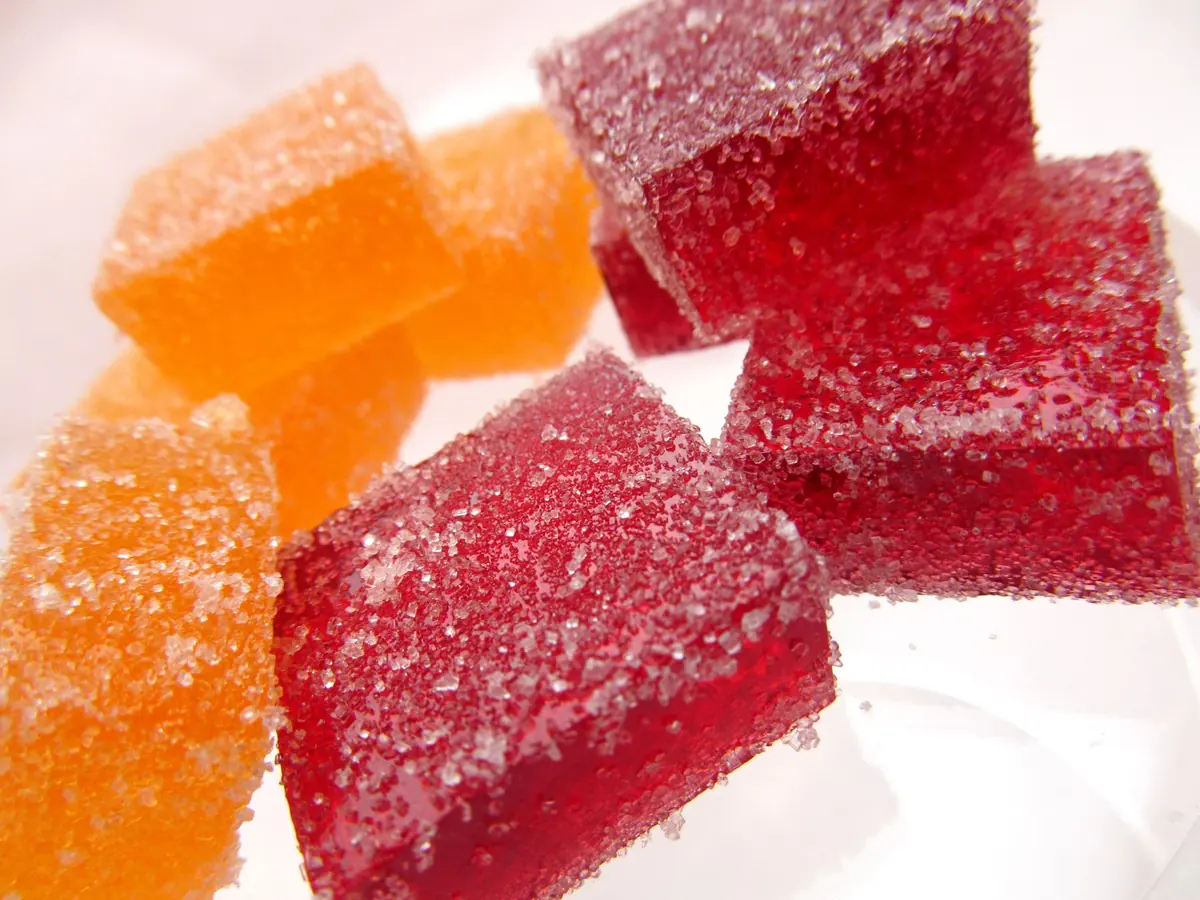
Gelatin is the ingredient that catches people out. It appears in food that looks nothing like meat — sweets, desserts, some yogurts, the capsule around a supplement — and the word on the label tells you nothing about which animal it came from.
Here is what gelatin actually is, why the label is unhelpful, and what the options are if it matters to you.
The short answer
Gelatin is made from the collagen in animal skin, connective tissue and bone. The federal definition names both cattle and swine as sources, and a label that says only “gelatin” does not tell you which. Whether a particular gelatin is halal depends on the animal it came from and how that animal was slaughtered, which in practice means looking for certification rather than reading the ingredients.
What gelatin is
The clearest definition is the regulator’s own. In its rule on cattle materials in human food, the FDA defines gelatin as “a product that has been obtained by the partial hydrolysis of collagen derived from hides, connective tissue, and/or bones of cattle and swine”. Collagen is the structural protein in skin, tendon and bone; hydrolysing it breaks it into fragments that dissolve in hot water and set as they cool.
That single sentence contains the whole halal question. Cattle and swine are both named, in the same definition, as ordinary sources of the same ingredient. Nothing in the word gelatin distinguishes them.
It is the same shape of problem as rennet in cheese, where the coagulant can be animal-derived or microbial and the label rarely says. Our guide to whether cheese is halal works through that one.
Why the ingredient list will not settle it
US ingredient labelling requires ingredients to be declared by their common or usual name, and the common name here is simply “gelatin”. There is no requirement to state the species. Some manufacturers volunteer it — “beef gelatin”, “fish gelatin”, “porcine gelatin” — but most do not, and the absence of a species is not a hint either way.
This is why the question keeps recurring even among people who read labels carefully. The label is not being evasive; it is complying with a rule that was never written with this question in mind.
The sources, and what each means
| Source | Where you meet it | The halal position |
|---|---|---|
| Porcine | The most common commercial source worldwide | Not halal |
| Bovine | Common in certified and kosher-marketed products | Halal only if the animal was slaughtered to halal requirements — being beef is not sufficient on its own |
| Fish | Some capsules, some desserts, kosher products | Generally accepted, and the reason some products carry it deliberately |
| Plant setting agents | Agar, pectin, carrageenan | Not gelatin at all, and the usual substitute in vegetarian products |
The bovine row is the one people skip past. Beef gelatin is not automatically halal, for exactly the same reason that beef is not automatically halal: the question is how the animal was slaughtered, not which animal it was. Fish is the exception, because fish is not subject to the slaughter requirement in the first place — our guide to whether seafood is halal covers why, and where the schools of thought diverge beyond fish.
Where it turns up
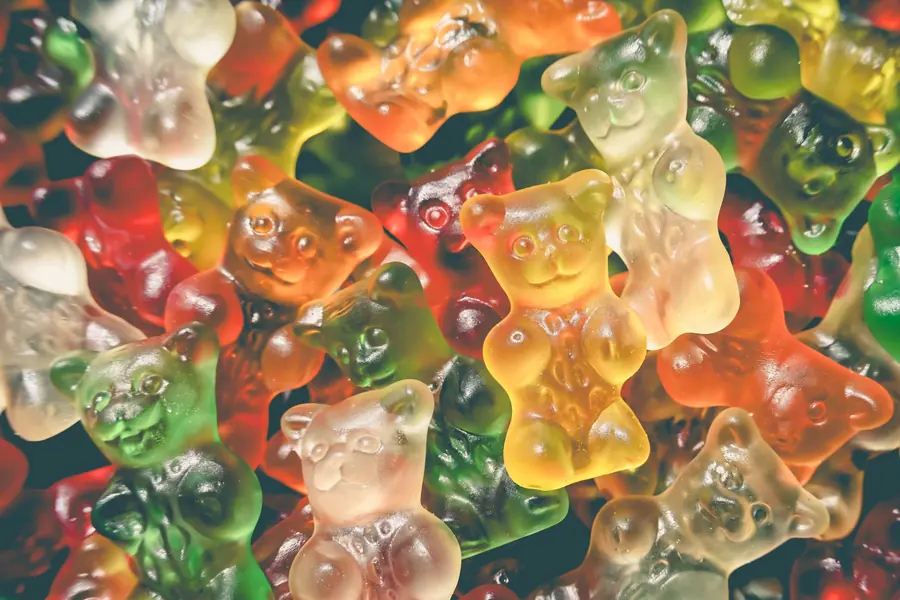
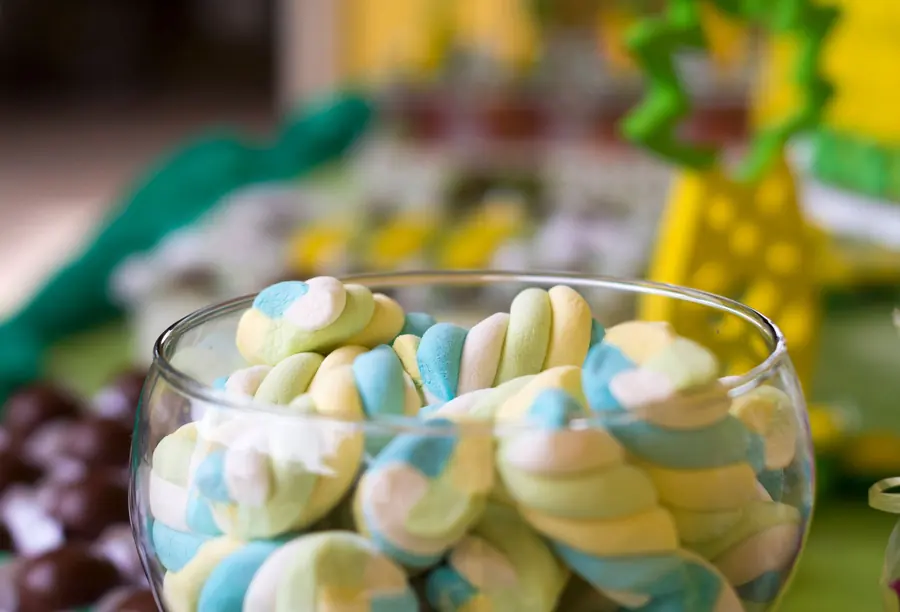
- Sweets. Gummy sweets, marshmallows, some chews and jelly-textured confectionery.
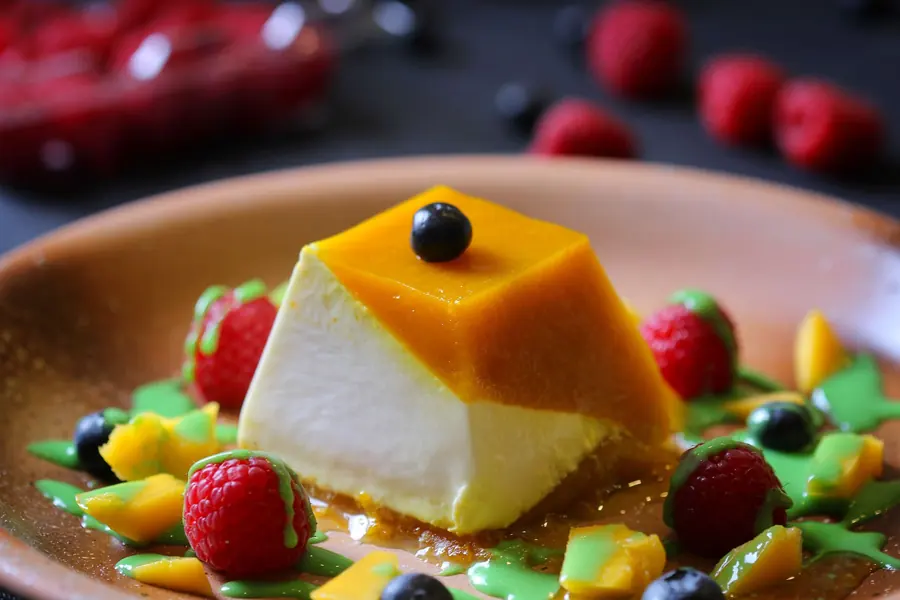
- Desserts. Jellies, mousses, panna cotta, cheesecake fillings that set without baking, and some ice creams and yogurts as a stabiliser.
- Capsules. The shell around many supplements and medicines, which is a separate conversation from food and one for a pharmacist.
- Marshmallow-topped and glazed things. Where it arrives as part of another ingredient rather than in its own right.
The pattern is that gelatin is almost always a texture ingredient. If something is soft-set, springy or holds a wobble, gelatin is a reasonable first guess — though agar and pectin do the same job in plenty of products.
Why manufacturers keep using it
It is worth understanding why gelatin persists when plant alternatives exist, because it explains why the question will not go away. Gelatin melts at close to body temperature, which is the property that makes a gummy sweet or a mousse dissolve in the mouth rather than sitting there. Agar sets harder and holds its shape at much higher temperatures; pectin needs sugar and acid to work properly.
So the substitutes are not drop-in replacements. A manufacturer switching away from gelatin is reformulating the texture of the product, not swapping one line of the recipe. That is a real cost, and it is why gelatin remains the default in confectionery even as certified alternatives become easier to source.
A kosher symbol is not a shortcut
This comes up often enough to be worth stating. Gelatin in a product carrying a kosher symbol is not automatically halal. Some kosher gelatin is fish-derived, which most people would accept. Some is bovine from kosher slaughter, which raises exactly the question of whether that slaughter meets a halal standard — a question different authorities answer differently.
The two systems overlap in useful ways and are not interchangeable. Our comparison of halal and kosher goes through where they agree, where they diverge, and why a kosher symbol is a helpful clue rather than an answer.
Where the scholarly views differ, and why we are not choosing
There is a genuine disagreement about whether the chemical transformation involved in making gelatin changes its status — the question usually discussed as istihala, transformation. One position is that the original source governs regardless of processing. Another is that a substance so thoroughly changed is no longer the thing it started as.
Both positions are held by serious people, and this is not the place they get resolved. We took the same approach with halal and kosher and with seafood: describing where views differ is useful, and ruling between them is not a restaurant’s job. If it matters to you, ask someone qualified in your own tradition.
What to look for instead
Because the ingredient list cannot answer the question, the practical answer is certification. A product carrying a halal certifier’s mark has had its ingredients and supply chain audited by a third party, which is precisely the information the word gelatin withholds. Our guide to what halal certification actually certifies covers what those marks do and do not establish.
Failing that, products built on agar, pectin or carrageenan sidestep the question entirely, and many are labelled as vegetarian or vegan for reasons that have nothing to do with halal but happen to answer it.
Gelatin and our menu
Gelatin is a packaged-food problem more than a restaurant one, and it is not an ingredient that features in the cooking on our menu — the plates, wraps, salads, sides and pizzas are not set with anything. Our one dessert is described on the menu as a tropical fruit cookie crumble made with heavy cream, condensed milk and a chocolate chip crunch.
If gelatin specifically matters to you, ask us rather than inferring it from a description. That is the same advice we give about every ingredient question, and it is the only honest one: a menu describes a dish so you can choose it, not so you can audit it.
Gelatin is the best known of a group of ingredients whose name tells you the substance and not its source. The ingredients a US label will not explain covers the rest of them, and the one the FDA requires to be named.
Frequently asked questions
Is gelatin halal?
It depends entirely on its source. Gelatin is made from collagen in animal skin, connective tissue and bone, and the federal definition names both cattle and swine. Pork gelatin is not halal; beef gelatin is halal only if the animal was slaughtered to halal requirements; fish gelatin is generally accepted. The ingredient list will not usually tell you which one you have.
Does the label have to say what animal the gelatin came from?
No. Ingredients are declared by their common or usual name, and the common name is simply gelatin. Some manufacturers volunteer beef, fish or porcine, but most do not, and the absence of a species does not indicate anything either way.
Is beef gelatin automatically halal?
No, and this is the point most often missed. Beef gelatin is halal only if the cattle it came from were slaughtered according to halal requirements. Being bovine rather than porcine settles the species question and leaves the slaughter question open.
What can I eat instead of gelatin?
Agar, pectin and carrageenan are plant-derived setting agents used for the same purpose, and products built on them avoid the question entirely. They are often labelled vegetarian or vegan, which is a reliable signal even though it is made for a different reason.
Is there gelatin in the food at Halal Basket?
Gelatin is not an ingredient in the cooking on our menu — the plates, wraps, salads, sides and pizzas are not set with anything. If it matters to you for a specific item, ask us directly rather than working it out from a menu description.
If you remember one thing: gelatin is an animal product whose animal is not named on the label, and beef gelatin is not halal by default.
Everything on our menu is made with halal ingredients.