
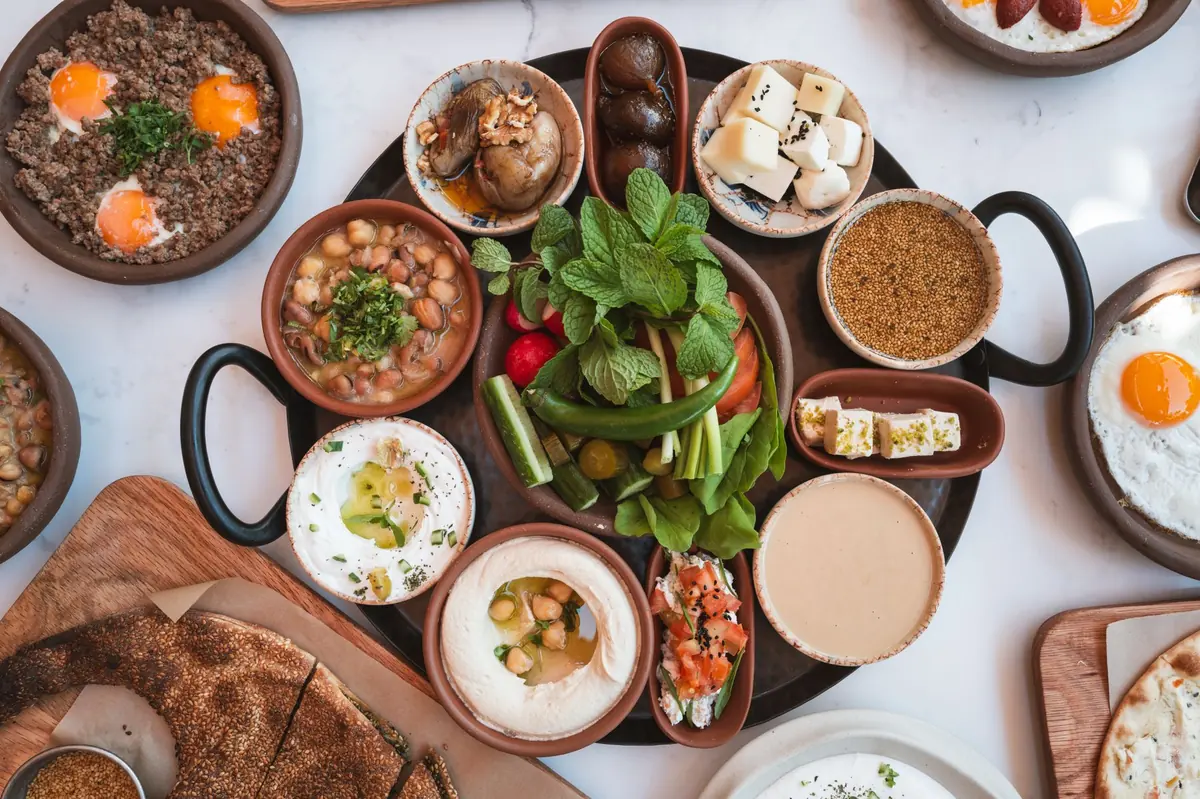
Lebanese food comes up constantly in halal conversations, and for good reason: a lot of it is naturally suitable. But Lebanon is not a single-cuisine country, and the assumption trips people up in specific places.
Here is which Lebanese dishes are generally fine, which need a question, and why.
The short answer
Much of Lebanese cooking is halal-friendly, and the mezze tradition in particular is largely plant-based. But Lebanon has both Muslim and Christian food traditions, so pork does appear in some kitchens, and arak and wine are used both at the table and occasionally in cooking. As always, the restaurant decides, not the cuisine.
Why so much of it works
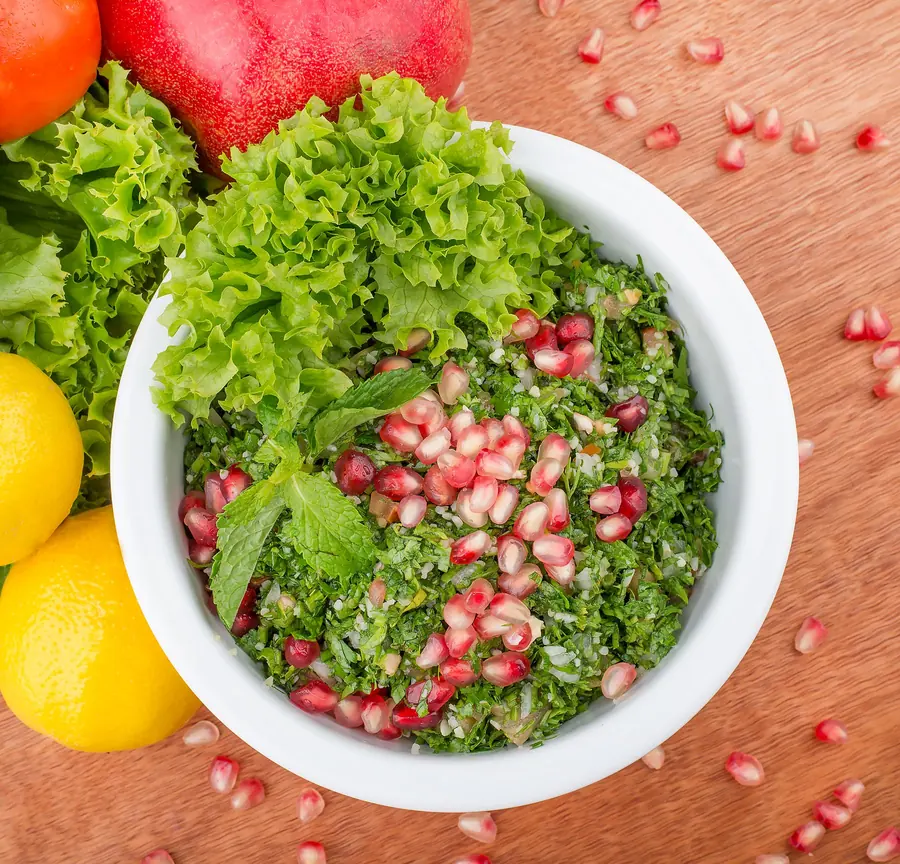
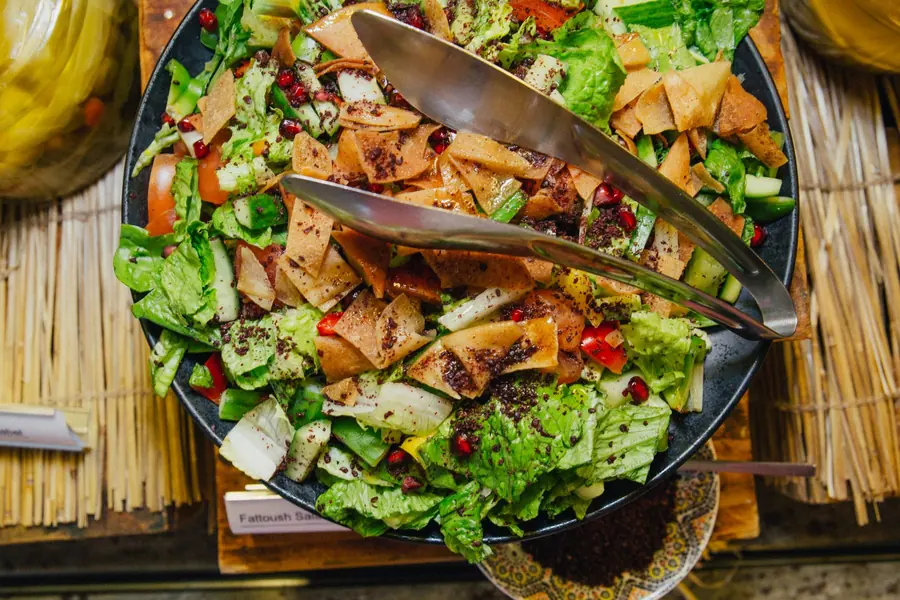
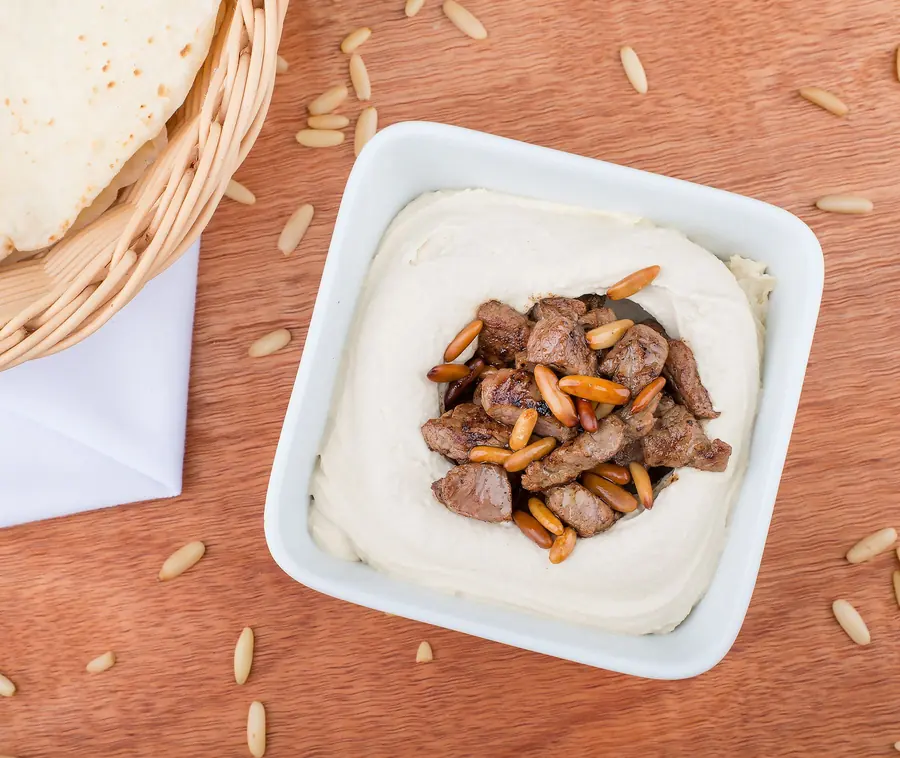
Lebanese mezze is built on chickpeas, sesame, aubergine, parsley, bulgur, lemon and olive oil. Hummus, moutabal, tabbouleh, fattoush, falafel and stuffed vine leaves contain nothing forbidden in the first place.
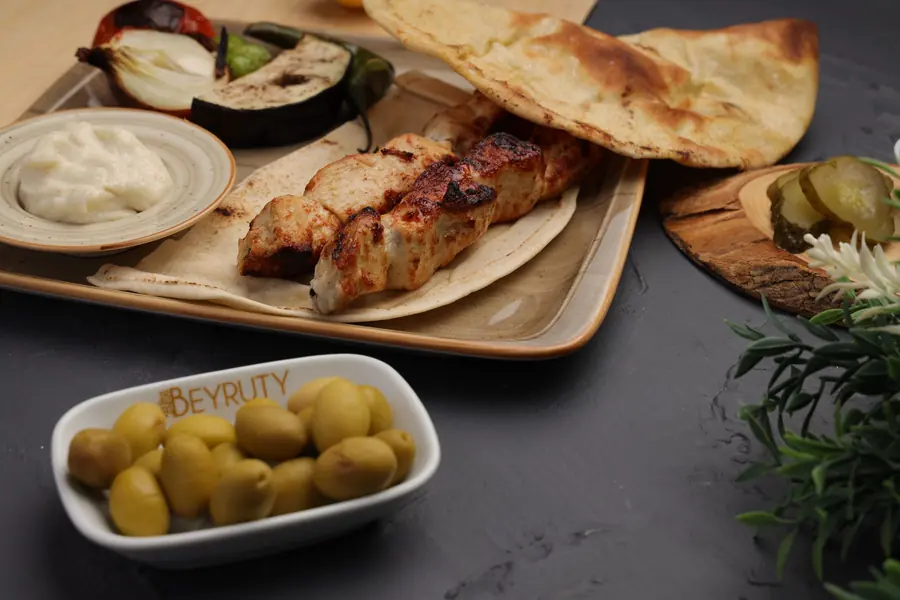
The grilled meats — shish taouk, kafta, lamb skewers — are chicken, beef and lamb rather than pork, which means the only question is sourcing rather than the dish itself.
Where to ask a question
Pork in Christian Lebanese cooking
Lebanon has a large Christian population with its own culinary traditions, and some dishes in that tradition do use pork. It is far less prevalent than in Greek cooking, but it is not absent, particularly in charcuterie.
Arak, wine and cooking alcohol
Arak is the national spirit and appears widely at the table. Lebanon also has a long winemaking history. Neither necessarily touches your food, but alcohol does turn up in some marinades and desserts, so it is worth asking about anything braised or sweet.
Sourcing of the meat
This is the same question as at any restaurant. Chicken and lamb dishes are not halal by virtue of being chicken and lamb — the slaughter method is what matters. The Halal Food Authority sets out what the standard actually covers if you want the detail.
Dish by dish
| Dish | Usually fine? | The question |
|---|---|---|
| Hummus, moutabal, baba ganoush | Yes | None in practice |
| Tabbouleh and fattoush | Yes | None in practice |
| Falafel | Yes | Whether the fryer is shared |
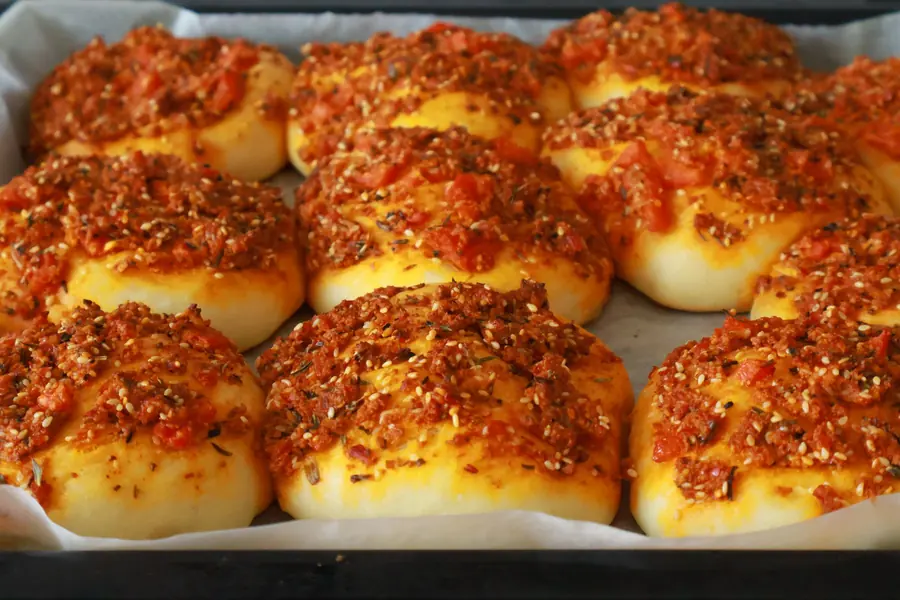
| Manakish (za’atar flatbread) | Yes | Toppings, if it is a meat version |
| Shish taouk (chicken skewers) | Depends | Meat sourcing |
| Kafta | Depends | Meat sourcing |
| Shawarma | Depends | Meat sourcing |
| Charcuterie and cured meats | Needs checking | Whether any is pork |
| Braised dishes and desserts | Needs checking | Whether alcohol is used |
How Lebanese compares to its neighbours
It is worth putting this in context. Greek cooking uses pork as a staple, so the question there is sharper — we cover that in whether Greek food is halal. Lebanese cooking uses it far less, and Levantine cooking more broadly less still.
But none of these cuisines is halal by definition, which is the point our wider guide to Mediterranean food and halal keeps coming back to. Cuisine tells you what is likely. The kitchen tells you what is true.
For the underlying rules rather than the Lebanese case, our overview of what halal actually covers goes through slaughter, alcohol and the ingredients that are easiest to miss.
How Lebanese differs from its Levantine neighbours
Lebanese, Syrian, Palestinian and Jordanian cooking share a great deal — hummus, tabbouleh, shawarma and grilled meats turn up across all of them. The differences are mostly of emphasis.
Lebanese cooking leans hard on fresh herbs and lemon, which is why tabbouleh is mostly parsley rather than mostly bulgur. Syrian cooking tends slightly sweeter and uses more nuts and pomegranate. Palestinian cooking makes heavier use of sumac and slow-baked dishes.
For halal purposes they behave much the same way. The mezze is largely plant-based across all of them, and the meat question is always about sourcing rather than the dish.
Mezze is a way of eating, not a course
Understanding mezze makes ordering Lebanese food much easier. It is not a starter section — it is the structure of the meal. A table orders many small dishes at once and everyone eats across all of them.
For anyone eating halal that structure is useful, because the mezze end of a Lebanese menu is where the plant-based dishes cluster. It is both the most straightforward part to order from and the part the cuisine is best known for.
It also means you do not have to commit to one large dish before knowing what a kitchen is good at. Order four small things, work out what you like, and adjust next time.
Lebanese food in the United States
Lebanese restaurants abroad are frequently run by families from Muslim communities, and many are halal as a matter of course rather than as a marketed feature. Others are not, and some carry full alcohol lists.
The name above the door will not tell you which. What tells you is the same set of questions that applies anywhere: what the meat is, where it came from, and whether pork is handled on the premises.
Two neighbouring questions are worth reading alongside this one: whether Turkish food is halal, which lands in a similar place for different reasons, and the difference between Mediterranean and Middle Eastern food, which explains why Lebanese cooking gets filed under both.
What we serve
Our menu sits in the same Levantine and Mediterranean space: chicken shawarma, kofta with flatbread, hummus with every plate, falafel, and salads built fresh through the day. All our menu items are made with halal ingredients, so the sourcing question is settled before you order.
The full menu is here if you want to see how it is put together.
A note on bread
Lebanese flatbread is normally flour, water, salt and yeast, which raises no issue. The things worth a question are enriched or laminated breads and pastries, where butter, milk powder or occasionally animal fats can appear. Plain pita and manakish are the safest defaults.
A Lebanese restaurant may describe itself in any of several ways, and the phrasing matters more than it looks — our guide to what halal-friendly actually means sets out the ladder from certified down to pork-free.
Frequently asked questions
Are Lebanese desserts halal?
Most are built from semolina, nuts, honey, sugar syrup and orange blossom or rose water, none of which are a problem. The exception is any dessert finished with a spirit, which does happen occasionally, so it is worth asking.
Is Lebanese food halal?
Much of it is naturally suitable, particularly the mezze dishes, which are largely plant-based. But Lebanon has both Muslim and Christian food traditions, so pork appears in some kitchens, and alcohol is used in some cooking. Whether a particular restaurant is halal depends on the restaurant.
Is Lebanese mezze halal?
Mezze dishes such as hummus, moutabal, tabbouleh, fattoush and stuffed vine leaves are built from chickpeas, sesame, vegetables and grains, so the ingredients themselves contain nothing forbidden. Shared fryers are the main practical thing to check.
Is shish taouk halal?
Shish taouk is marinated chicken, so the dish is not inherently a problem. Whether it is halal depends on how the chicken was sourced and slaughtered, which is a question for the restaurant.
Is Lebanese food more halal-friendly than Greek food?
Generally yes, in the sense that pork is far less central to Lebanese cooking than to Greek cooking, where it is a staple meat. Neither cuisine is halal by definition, so the sourcing question applies to both.
Lebanese food is one of the easier Mediterranean cuisines to eat halal, especially at the mezze end of the menu. It still is not automatic, and the meat is still worth a question.
If you only remember one thing: the mezze will almost always be fine, and the grill is where you ask.
Hummus, falafel, shawarma and kofta, all made with halal ingredients.