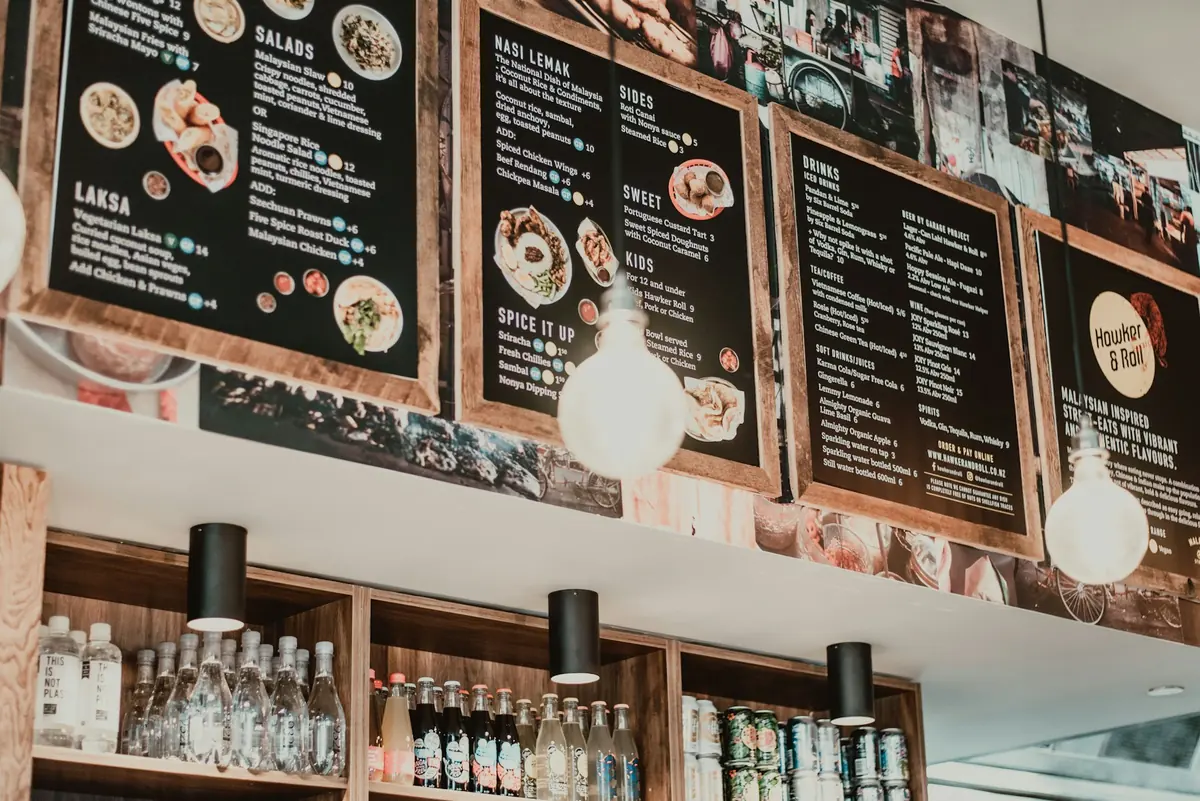
You can often tell a good deal about a restaurant from its menu before you speak to anybody — not whether it is halal, which needs a conversation, but whether the question has been thought about at all.
A halal menu differs from a conventional one in specific and fairly predictable ways. Here is what to look for, what the wording means, and what is missing that you might not notice is missing.
The short answer
A halal menu has no pork anywhere, no alcohol list, and usually a short statement about sourcing. The things to read carefully are the wording of that statement, the desserts, and the drinks — those are where a menu that has not thought it through tends to show.
Prices are the other thing people read into a halal menu, usually assuming the sourcing explains them. Our guide to whether halal meat is more expensive covers what actually drives the difference, which is mostly scale rather than slaughter.
What is absent
The most informative parts of a halal menu are the sections that are not there, and they are easy to read past because absence is invisible.
- No pork, anywhere. Not just no pork chops — no bacon on a burger, no pepperoni on a pizza, no pancetta in a pasta, no prosciutto on a board.
- No alcohol list. No wine, no beer, and usually no cocktails. This is the fastest visual signal on any menu.
- No dishes named after a wine or spirit. No coq au vin, no penne alla vodka, no beer-battered anything.
- Often no gelatin desserts. Mousses, marshmallow items and certain cheesecakes rely on gelatin, which is an animal product.
The pepperoni case is the one that catches people, because a halal pizza menu looks conventional until you notice what is not on it — our guide to whether pizza is halal works through that one in detail.
The sourcing statement, and how to read it
Most halal restaurants put a line somewhere on the menu about their sourcing. The wording is not decoration; different phrases mean genuinely different things.
| Wording | What it claims | What it does not |
|---|---|---|
| “All our meat is halal” | Every meat item is halal-sourced | Says nothing about certification or about non-meat items |
| “All menu items are made with halal ingredients” | The whole menu, not only the meat | Not a claim to hold a certificate |
| “100% zabiha” | A specific slaughter standard | Standards vary; worth asking which one is meant |
| “Halal available” | Some items are halal | Implies others are not — ask which |
| “We do not serve pork” | No pork on the premises | Nothing about how the beef or chicken was slaughtered |
| “Certified by [body]” | A third party has audited them | Check the certificate is current |
The last two rows are the ends of the range. “We do not serve pork” is the narrowest claim on the list and is frequently mistaken for the broadest. Our overview of what halal food actually covers sets out why those are different questions.
In Texas, the wording is not just marketing
This surprises most people, including plenty of restaurant owners. Texas has a specific statute governing halal representation, and it has been on the books since 2003.
House Bill 470 added Subchapter I to Chapter 17 of the Business & Commerce Code, covering the labeling, advertising and sale of halal foods. It defines halal as food “prepared and served in conformity with Islamic religious requirements according to a recognized Islamic authority,” and it makes it an offence to knowingly or intentionally sell food at a restaurant that is represented as halal and is not — including where the seller was reckless about determining whether it was. A retail store selling both halal and non-halal meat must label them.
Chapter 17 is the Deceptive Trade Practices Act, so the subchapter carries a civil remedy as well as a criminal penalty. The practical point for a diner is that the word on a Texas menu is a regulated representation, not a slogan.
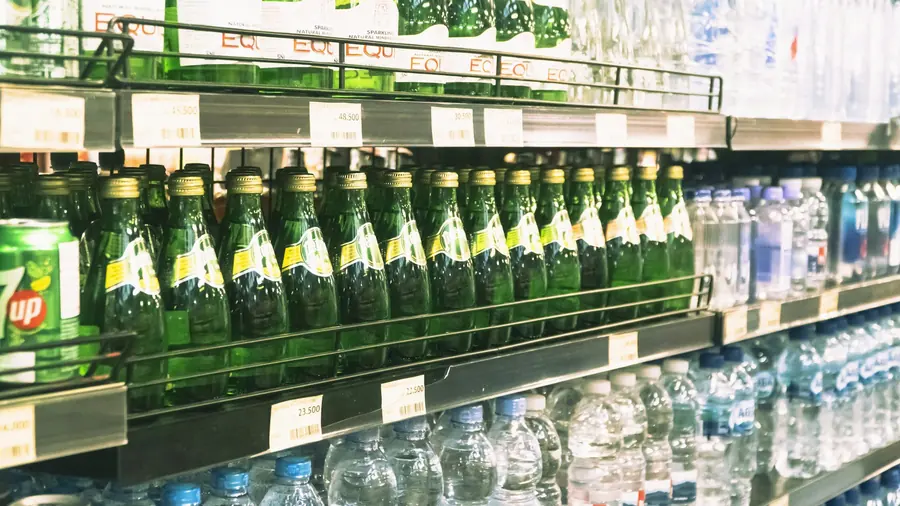
The drinks section
Worth an actual look rather than a glance. The absence of alcohol is obvious, but two subtler things live here.
Some flavourings and extracts are alcohol-based, which affects certain coffee syrups and dessert drinks. And where a restaurant serves alcohol elsewhere, the bar is a shared-equipment question in the way a fryer is. On a menu with no alcohol at all, neither issue arises.
Desserts are where menus get vague
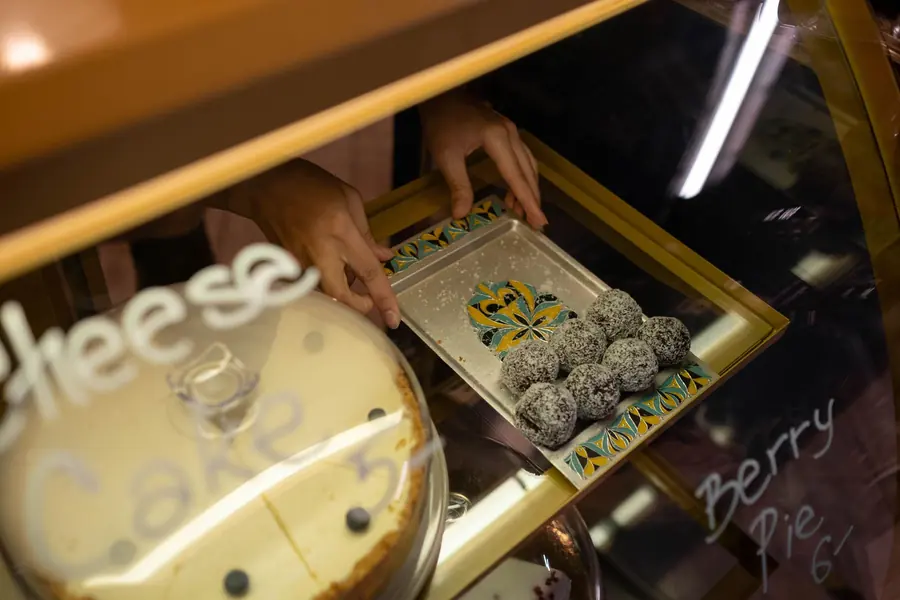
The dessert section is the most common place for a halal menu to become inconsistent, because desserts are frequently bought in rather than made in-house and the sourcing question gets asked less carefully about them.
Two ingredients account for most of it: gelatin, which is an animal product and appears in mousses, jellies and some cheesecakes; and vanilla extract, which is conventionally alcohol-based. Neither will be listed on a menu. If desserts matter to you, they are worth a specific question rather than an assumption carried over from the main courses.
What a menu cannot tell you
Being clear about the limits of this exercise matters, because a well-written menu can create more confidence than it has earned.
- Cross-contamination. Shared fryers, grills and boards are invisible on paper.
- Supplier changes. A menu printed two years ago describes a supply chain that may have moved.
- Whether a certificate is current. A logo on a menu is not a date.
- What happens in the kitchen at 8pm on a Saturday. Policy and practice are different things.
So the menu is a filter rather than an answer. It tells you whether to ask the next question, and our guide to telling whether a restaurant is really halal covers what that question should be and how to read the answer.
Allergens are a separate reading
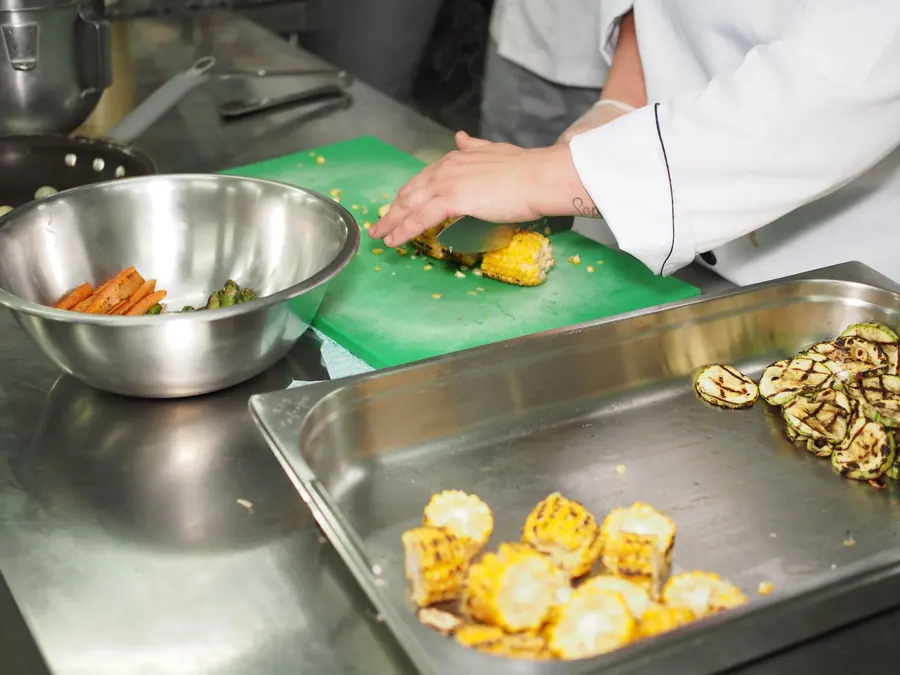
Worth saying because the two get conflated: a halal menu tells you nothing about allergens. Sesame, nuts and dairy are unaffected by halal sourcing, and a fully halal kitchen can still be a difficult room for someone with a sesame allergy. Our guide to common allergens on a Mediterranean menu is the separate conversation.
Our menu, read the same way
Applying the checklist above to our own: there is no pork on it anywhere, no alcohol list, and the drinks are fountain drinks and canned soda. The line at the bottom reads that all menu items are made with halal ingredients — which is a statement about the whole menu rather than only the meat, and it is not a claim to hold a third-party certificate, because we do not.
You can read the menu and check that yourself, or ask us directly about anything the menu does not answer — which, as above, includes most of the questions worth asking.
Where a menu or a package carries a certifier’s mark, it is worth knowing what that mark covers and what it leaves open — our guide to what halal certification actually certifies goes through it, including what Texas law says about the claim.
Two adjacent questions come up once you start reading labels rather than menus: which ingredient names hide their origin, and why the answer changes from one country to the next.
Frequently asked questions
How can I tell if a menu is halal just by reading it?
You cannot confirm it, but you can filter. Look for the complete absence of pork and alcohol, a sourcing statement, and consistency in the dessert and drinks sections. Those tell you whether the question has been considered; only a conversation with the restaurant confirms it.
What does ‘all menu items are made with halal ingredients’ mean?
It is a claim about the whole menu rather than only the meat, which is broader than the common phrase ‘all our meat is halal’. It is not a claim to hold a third-party certificate, which is a separate thing a restaurant would normally state explicitly.
Is there a law about calling food halal in Texas?
Yes. Subchapter I of Chapter 17 of the Texas Business and Commerce Code, added by House Bill 470 in 2003, makes it an offence to knowingly or intentionally sell food at a restaurant represented as halal that is not, including where the seller was reckless about verifying it. Chapter 17 is the Deceptive Trade Practices Act, so there is a civil remedy as well as a criminal penalty.
Why do desserts matter on a halal menu?
Because they are often bought in rather than made in-house, and two common ingredients are relevant: gelatin, which is an animal product, and vanilla extract, which is conventionally alcohol-based. Neither appears on a menu, so desserts are worth asking about separately from the mains.
Does a halal menu mean the food is allergen-safe?
No, and the two are unrelated. Halal governs sourcing and preparation under Islamic dietary law; it says nothing about sesame, nuts, dairy or gluten. A fully halal kitchen can still present real difficulties for someone with a sesame allergy, so allergens need their own conversation.
Read a halal menu for three things: what is absent, how the sourcing line is worded, and whether the desserts and drinks have been thought about as carefully as the mains. Then ask.
Read our menu, then ask us anything it does not cover.