
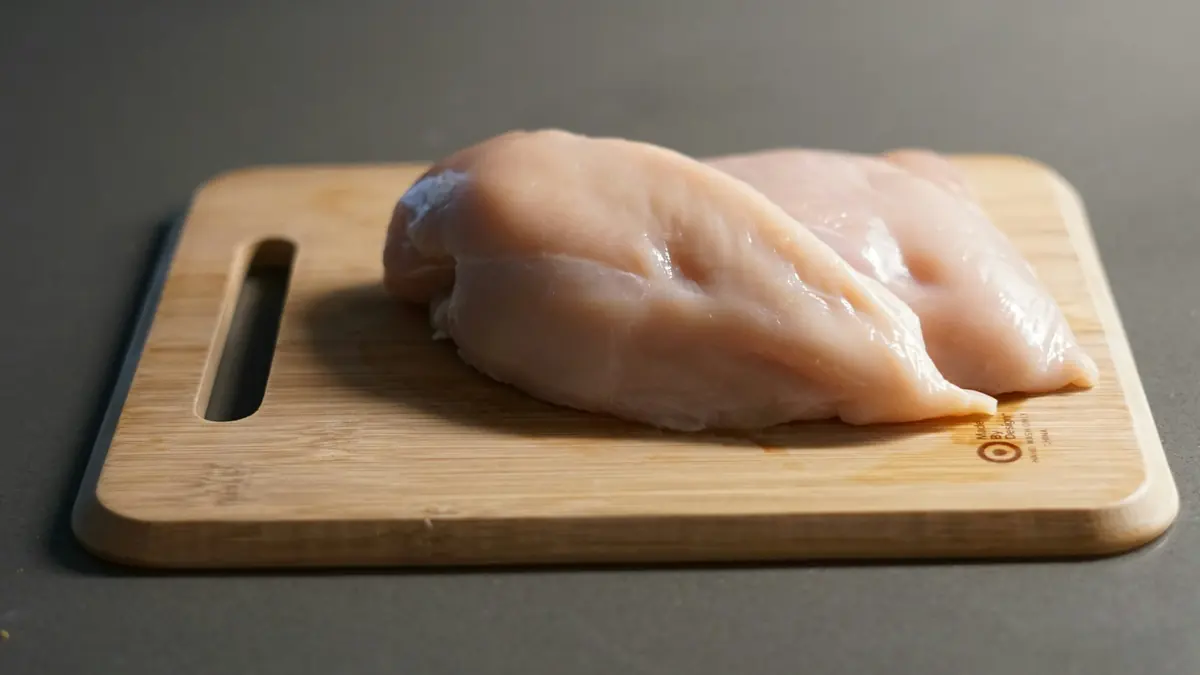
People say halal chicken tastes better, or looks different, or keeps longer. Some of that is real and almost none of it is caused by the thing people think causes it.
The short answer
The bird is the same bird. What halal requires is the method of slaughter and nothing else — no rule about breed, feed, farming, chilling or packaging. Differences people notice are far more likely to come from the supply chain and the processing that often travel with halal suppliers, neither of which halal actually requires.
What halal actually specifies
One thing: how the animal is slaughtered. A cut with a sharp blade severing the major vessels, the animal alive at that moment, the name of God pronounced, the blood drained. Our guide to halal and zabiha goes through the method and the two points certifiers disagree about.
That is the entire specification as it touches the bird. There is no halal requirement about the breed, what it was fed, whether it had outdoor access, how it was chilled, or how it was packed. Anyone telling you halal chicken is necessarily free-range or air-chilled is describing a supplier, not a standard — the same category error as reading an organic label as a halal one, covered in our comparison of the three standards.
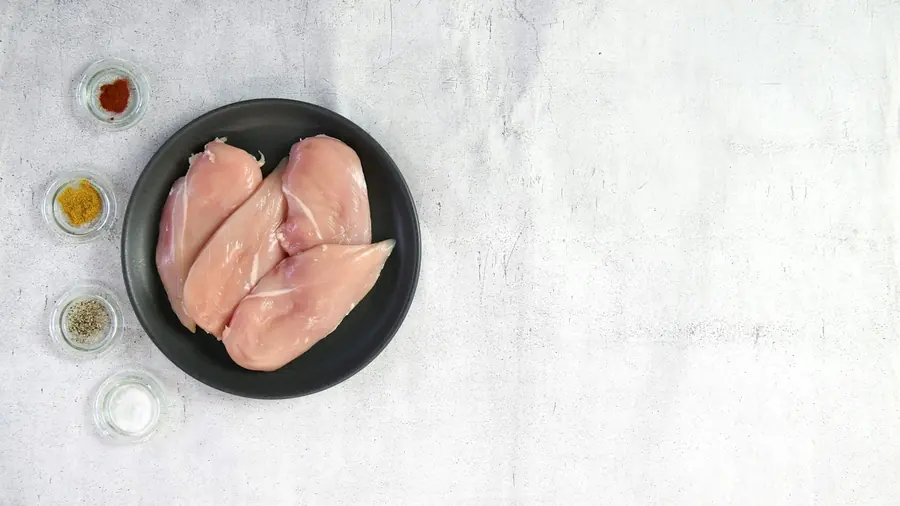
So why do people notice a difference?
Two honest explanations, neither of them mystical.
Turnover and scale. Halal chicken is often bought from smaller suppliers and butchers with high stock turnover, frequently sold as whole birds cut to order rather than pre-portioned days earlier. Fresher meat handled less is better meat, and that has nothing to do with religion.
Processing choices that travel with those suppliers. The clearest example is how the bird is chilled after slaughter, which is a genuine, measurable difference — and is not a halal requirement at all.
Air chilling versus water chilling
Most US poultry is chilled by immersion in cold water, which is fast and cheap at industrial scale. The alternative is air chilling, where birds are hung individually and cooled by refrigerated air over several hours.
A pilot study published in mSystems in 2021 compared the two directly. Water-chilled carcasses gained about 5% of their pre-chilling weight; air-chilled carcasses lost 1.6%. After seven days of storage the air-chilled breasts showed more desirable quality attributes including odour and colour, and the microbial communities on water-chilled chicken became dominated by spoilage organisms sooner. By day fourteen both had spoiled regardless.
That weight figure is the one worth carrying around: water-chilled chicken has absorbed water you are paying for and which cooks back out of the pan. It is a real difference in what you buy — and it is a processing decision, available to any producer, halal or not.
What we are not going to claim
That halal chicken tastes better because it is halal. That it is healthier, safer or cleaner. That draining the blood produces a lighter flavour. These claims are made constantly by people selling halal meat, and we are not going to repeat them, because they are not established and because a restaurant is not a laboratory.
What is defensible is narrower and more useful: buy from a supplier with high turnover who will tell you where the meat came from, and you will get better chicken. Whether that supplier is halal is a separate question with a separate answer.
What differs, and what does not
| Aspect | Required by halal? | Does it affect the chicken? |
|---|---|---|
| Method of slaughter | Yes | It is the defining difference |
| Draining the blood | Yes, as part of the method | Often claimed to affect colour and flavour; not established |
| Breed or feed | No | No halal rule either way |
| Air versus water chilling | No | Yes, measurably — but it is a processing choice |
| Whole bird versus pre-portioned | No | Often, through turnover and handling |
| Certification | For the label | No physical difference to the bird |
What about the blood?
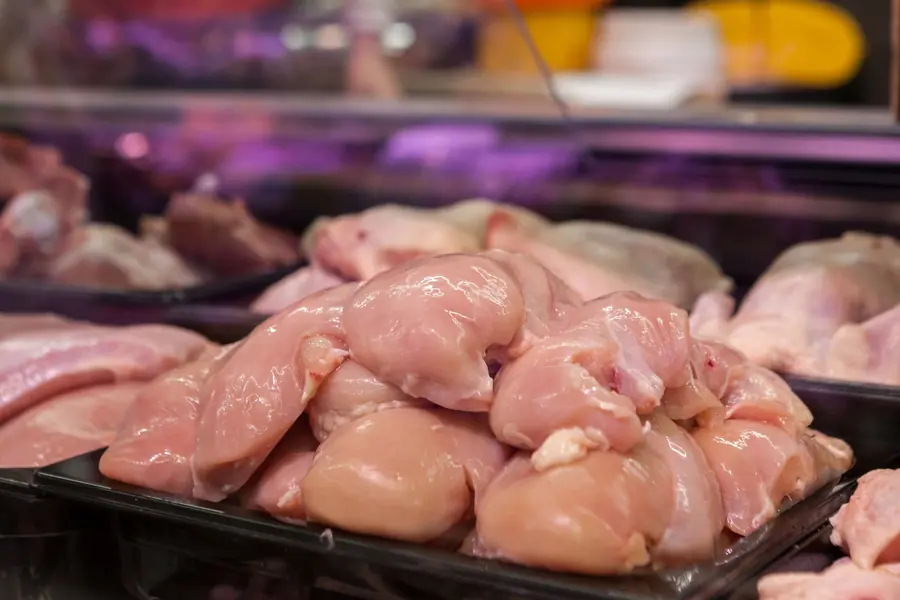
This is the claim that comes up most, so it deserves a direct answer. Draining the blood is part of the method, and it is often given as the reason halal meat looks or tastes different — lighter in colour, cleaner in flavour, longer keeping.
Two things are worth knowing before accepting that. The first is that conventional slaughter also bleeds the animal; this is not a difference between bleeding and not bleeding, but a difference of method and timing. The second is that most of the red colour in raw meat is myoglobin held in the muscle itself rather than residual blood, and no slaughter method removes it.
So the claim is not obviously wrong, and it is not established either. We are not in a position to settle it, and a restaurant repeating it as fact because it flatters the product is doing something we would rather not do.
What this means when you are buying
Ask the questions that map onto the things that actually vary. Who slaughtered it and to what standard, if halal matters to you. How it was chilled and when it arrived, if quality matters to you. Those are different questions and a good supplier can answer both — our guide to buying from a halal butcher covers how to ask them.
The pricing side of this is worth understanding too, since smaller-scale supply is a large part of why halal meat often costs more — we go through the drivers.
On our menu
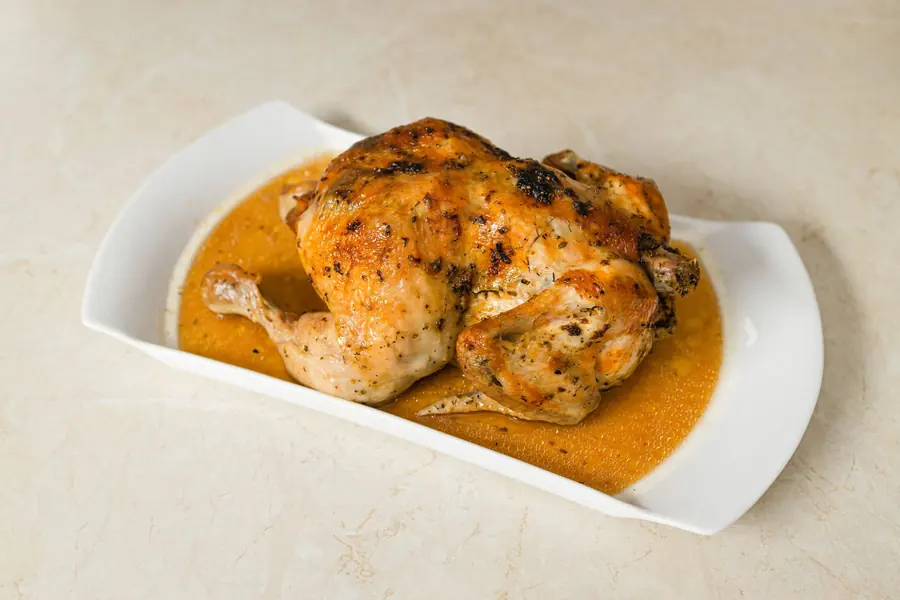
Chicken is the most ordered thing we serve, over rice and in wraps, and it is made with halal ingredients like everything else. We make no claim about it beyond that, and if you want to know about our sourcing specifically, ask us. Our guide to choosing between chicken, beef and lamb covers how the three actually differ on the plate.
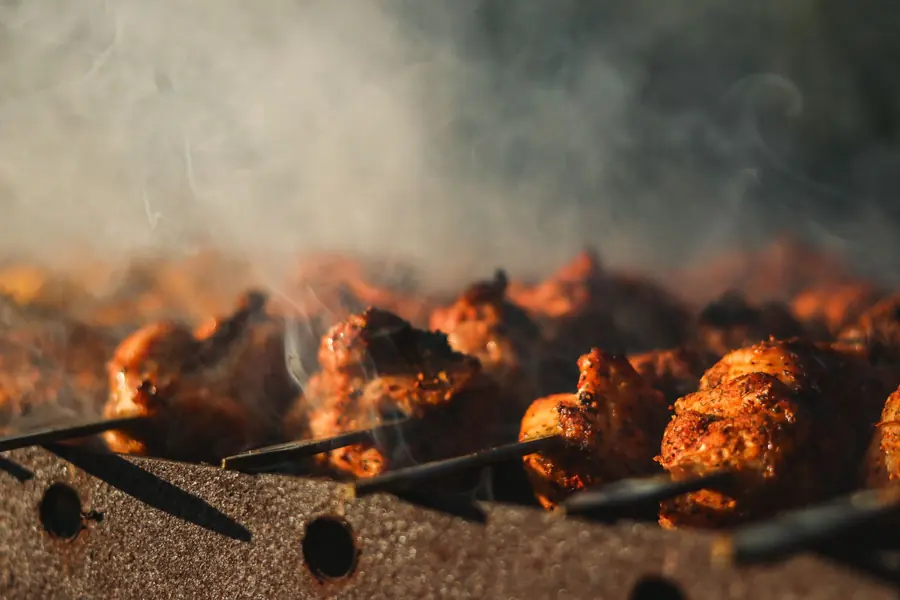
The certification that matters for that chicken is usually held by the supplier rather than the restaurant, which is why so few halal restaurants are certified themselves.
Frequently asked questions
Is halal chicken different from regular chicken?
The bird itself is the same. Halal specifies the method of slaughter and nothing else — there is no halal rule about breed, feed, farming, chilling or packaging. Differences people notice usually come from the supply chain and processing rather than from anything halal requires.
Does halal chicken taste different?
Not because it is halal. Claims about lighter or cleaner flavour from blood draining are widely repeated but not established, and we are not going to make them. Where people do notice a difference it is more plausibly explained by fresher stock and less handling.
What is the difference between air-chilled and water-chilled chicken?
Water chilling immerses birds in cold water; air chilling cools them individually with refrigerated air. A 2021 study found water-chilled carcasses gained about 5% of their pre-chilling weight while air-chilled ones lost 1.6%, and air-chilled birds held better quality attributes at seven days.
Is air-chilled chicken a halal requirement?
No. It is a processing choice available to any producer and has nothing to do with halal. It is worth knowing about because it is a genuine difference in what you are buying, not because it makes chicken halal.
Is halal chicken healthier?
Not a claim we make. Halal is a religious standard about permissibility and method of slaughter, not a nutritional or hygiene standard, and questions about nutrition belong to dietitians rather than to a restaurant.
The honest summary: halal specifies one thing about the chicken, and most of what people notice comes from everything else.
Chicken over rice, chicken wraps, chicken shawarma. All halal.