
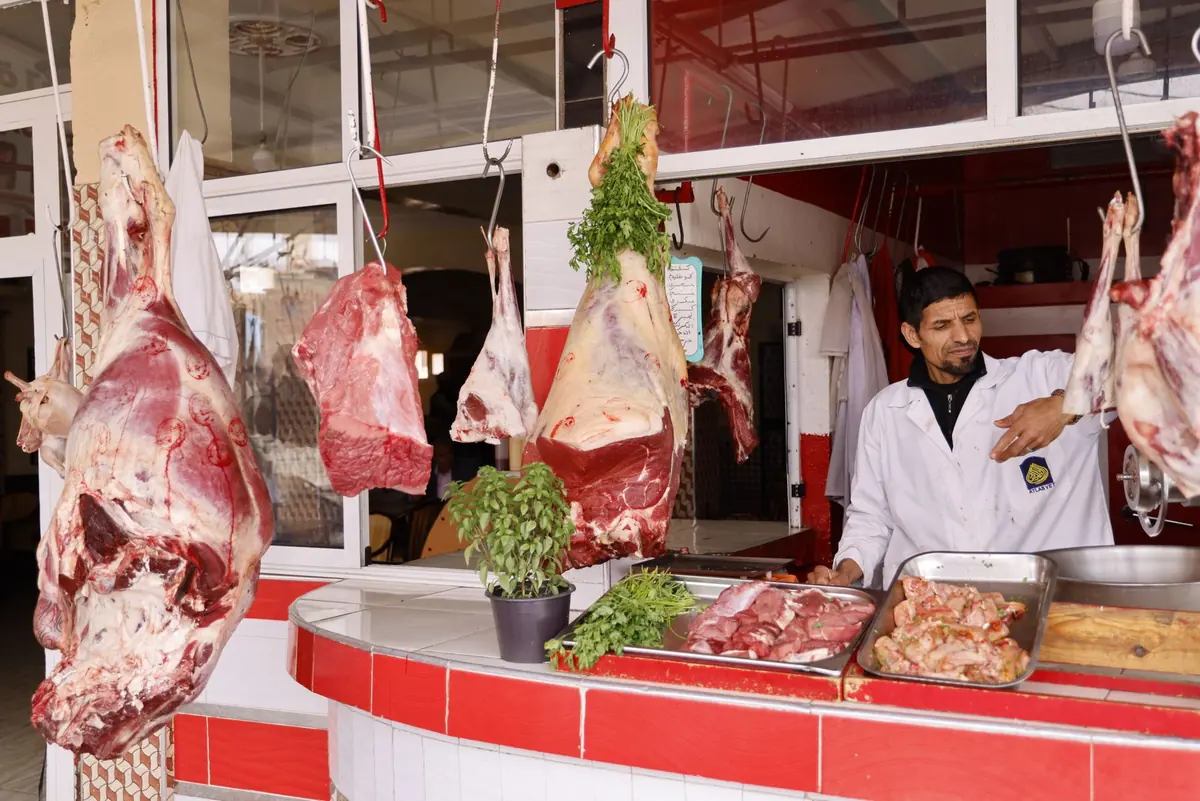
If you are cooking rather than eating out — for a guest, for a gathering, or just because you would rather — the meat is the part that requires going somewhere specific. A halal butcher is not intimidating, but knowing what to ask makes the first visit considerably easier.
The short answer
Ask who certifies them, and whether they will show you. Ask how halal and non-halal are kept apart if they sell both. Then buy the way you would from any good butcher: ask what is good today, buy less more often, and get the cut you actually want rather than the one already portioned.
The three questions
IMS of Smithfield, a butcher, sets out the first one plainly: “Another way to check whether meat is Halal is to see if a Muslim food authority accredits the butcher you’re using”, and names the red flag — “if a butcher won’t show you any accreditation, or isn’t happy to talk about their Halal food practices”.
- Who certifies your meat, and can I see it? A certificate on the wall is common. Which body issued it matters, because standards differ — our guide to certification covers what a mark does and does not establish.
- Do you sell non-halal meat too, and how is it kept separate? The same source is unambiguous that “all Halal products should be stored and prepared away from other products”. A butcher who handles both should be able to describe the arrangement without hesitating.
- Where does it come from? Not a challenge, just a question. Good butchers enjoy answering it, and the answer tells you more about quality than anything in the window.
The reaction to these questions is itself informative. Discomfort is the signal, not the specifics of the answer.
Finding one in the first place
Halal butchers are frequently attached to something else — a grocery, an international market, a corner shop — rather than trading as a standalone butcher’s, which is why they can be invisible if you are looking for a shopfront with a butcher’s name on it.
The reliable routes are the unglamorous ones: ask at a local mosque, ask at a halal restaurant you already trust, or look at the meat counter inside the nearest international grocery. In a college town the student community usually knows before anyone else does.
What the first visit is like
Ordinary, and faster than a supermarket once you know the rhythm. You order by weight rather than by pack, so a number of pounds or a rough number of people both work as an instruction. Saying what you are cooking is more useful than naming a cut — “kofta for six” gets you a better answer than guessing at a weight of mince.
It is also entirely normal to buy a small amount the first time. Nobody is keeping score, and finding out whether you like a shop’s lamb before committing to a shoulder is what a counter is for.
What a butcher gives you that a supermarket does not
Three things, and they are the reason to bother.
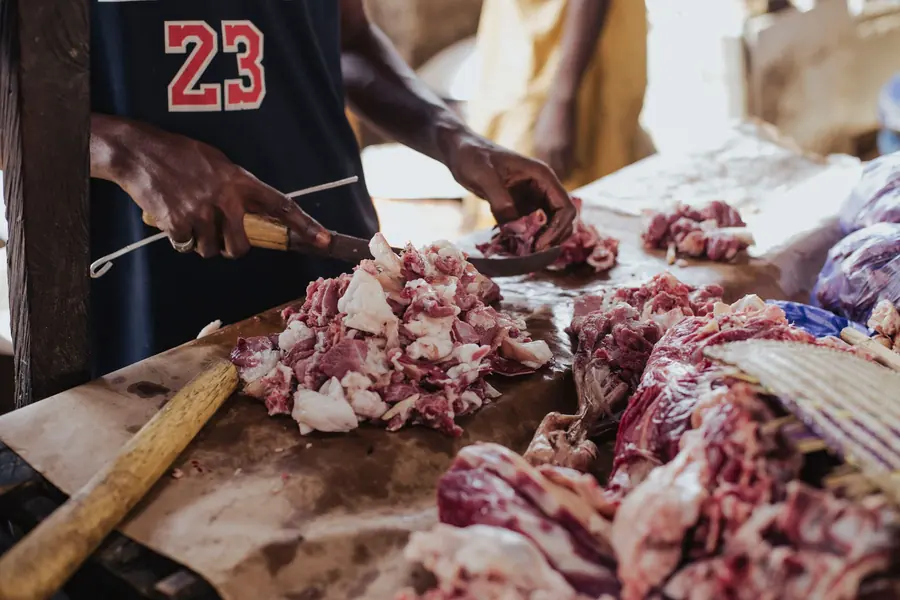
- Cuts to order. Mince coarser for kofta, thighs boned and opened flat for a shawarma-style marinade, lamb shoulder cubed for skewers. None of that exists pre-packed.
- Advice. Someone who knows what came in this morning and what will suit what you are cooking.
- Provenance. A supermarket pack tells you a country. A butcher can usually tell you a supplier.
What to buy for Mediterranean cooking
| If you are making | Ask for | Why |
|---|---|---|
| Kofta or grilled minced meat | Coarsely minced lamb or beef, some fat | Fine mince goes pasty; fat keeps it from drying on the grill |
| Shawarma-style chicken | Boneless thighs, skin on | Thigh survives long marinating and high heat; breast dries |
| Skewers | Lamb shoulder, cubed | Enough fat and connective tissue to stay tender over fire |
| A roast for a group | Whole shoulder, bone in | Forgiving, feeds many, and cheaper per head than portioned cuts |
| Soup or stock | Bones, and ask for them | Usually free or close to it, and rarely displayed |
If the terms are unfamiliar, our guide to choosing between chicken, beef and lamb covers what changes between the three, and shawarma, kebab and kofta covers what each preparation actually involves.
On price
Halal meat frequently costs more than the supermarket equivalent, and the reasons are structural rather than a premium being charged for the label: smaller batch sizes, separate handling, certification costs, and shorter supply chains. Our guide to whether halal meat costs more goes through the drivers.
What a butcher does give you is control over how much you spend, because you are not buying a fixed pack. Asking for half of what is on display is completely normal and nobody will mind.

Getting it home
Butcher paper is not airtight, which is fine for a short trip and not for storage. Rewrap or transfer when you get home, refrigerate immediately, and freeze anything you will not cook within a couple of days. Mince has the shortest window of anything you will buy.
Frozen is not a compromise. A butcher freezing at the point of butchery is often selling you something fresher than a chilled supermarket pack that has been in transit.
If this is for a guest
Keep the wrapping or the receipt until after the meal — not to prove anything, but because a guest who asks where the meat came from is usually just curious, and it saves you reconstructing it. Our guide to hosting a Muslim guest for dinner covers the rest of the evening, including why cooking vegetarian removes this whole errand if you would rather.
Or let us cook
Entirely reasonable, particularly for a group. We cater across San Marcos, and the sourcing question is already handled — have a look at catering, or work out quantities first.
It is worth knowing that a restaurant without a certificate is in a different position from a butcher without one — our guide to why most halal restaurants are not certified explains where the audit trail usually sits instead.
Frequently asked questions
What should I ask a halal butcher?
Three things: who certifies their meat and whether they will show you, whether they also sell non-halal meat and how it is kept separate, and where the meat comes from. A butcher who is uncomfortable with any of those has told you something.
How do I know a butcher is really halal?
Accreditation by a recognised Muslim food authority is the usual check, and a certificate is normally displayed. Which body issued it matters, since standards differ between certifiers. Reluctance to show accreditation or to discuss halal practices is the warning sign.
Can a butcher sell both halal and non-halal meat?
Some do. Where that is the case, halal products should be stored and prepared away from other products, and a butcher running that arrangement properly will be able to describe how without hesitating.
What cut should I buy for kofta or shawarma?
For kofta, coarsely minced lamb or beef with some fat left in — fine mince goes pasty and lean mince dries on the grill. For shawarma-style chicken, boneless thighs rather than breast, because thigh survives long marinating and high heat.
Is halal meat from a butcher more expensive?
Often, and the reasons are structural rather than a premium on the label: smaller batches, separate handling, certification costs and shorter supply chains. Buying from a counter does let you control the amount, since you are not buying a fixed pack.
Ask the three questions once, at a shop you expect to return to, and you will not need to ask them again.
Cooking for a crowd? We cater across San Marcos.