
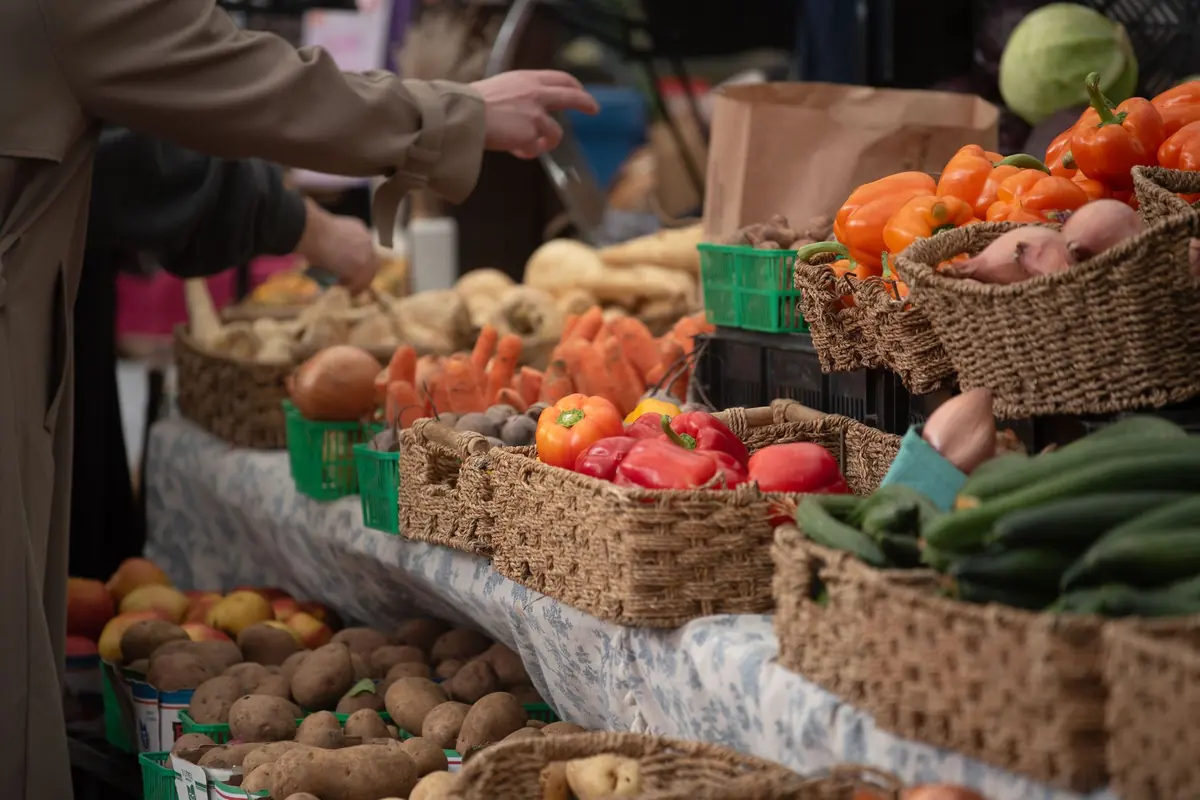
Halal, organic and grass-fed turn up on the same packages and get treated as though they belong to one family of “better meat” labels. They do not. They describe three unrelated things, they are backed by three completely different kinds of authority, and none of them implies either of the others.
The short answer
Halal describes sourcing and the method of slaughter. Organic describes how the animal was farmed and is backed by federal law. Grass-fed describes what the animal ate and has had no USDA-defined standard since 2016. A product can carry any one of the three without carrying the others.
Three claims, three different authorities
The useful way to separate them is not by what they promise but by who stands behind them, because that differs more than anything else about them.
Halal: defined religiously, applied by private certifiers
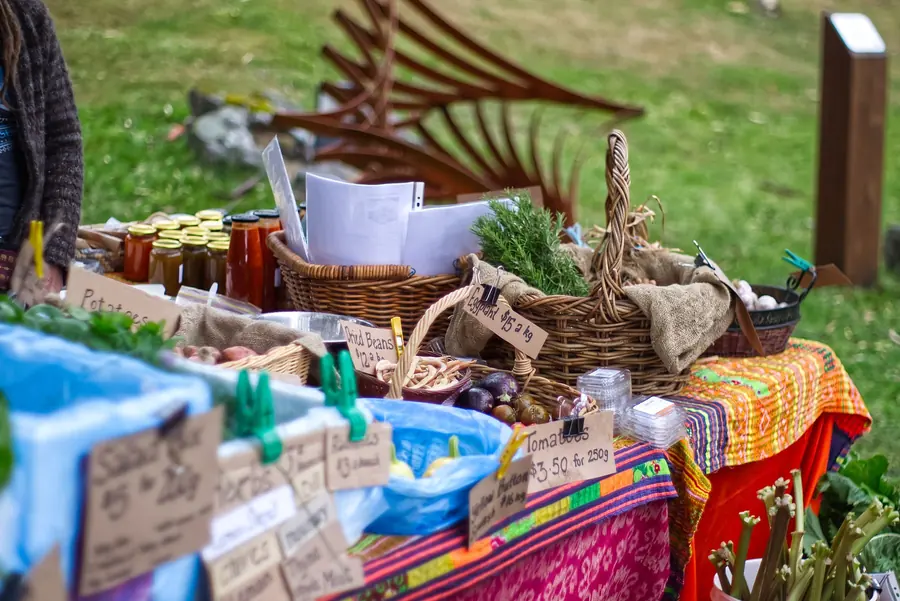
Halal is a religious standard. It concerns which animals are permitted, how they are slaughtered, and what the food is subsequently exposed to. No US government body certifies it — that is done by independent certification bodies, as our guide to what halal certification certifies sets out. It says nothing whatever about farming practice, feed or animal husbandry before the day of slaughter.
Organic: defined by Congress
Organic is the outlier here, and the strongest of the three in legal terms. The USDA’s National Organic Program operates under an explicit statutory mandate, with regulations covering feed, pasture access, and the use of antibiotics and synthetic inputs. When a package says organic, there is a federal standard and an accreditation system behind the word.
Grass-fed: the standard was withdrawn
This one genuinely surprises people. The USDA’s Agricultural Marketing Service used to run a Grass (Forage) Fed Marketing Claim Standard. It withdrew it, effective 12 January 2016, along with the Naturally Raised claim standard.
The stated reasoning draws exactly the contrast this article is about. AMS explained that “in the absence of a Congressional mandate to develop and maintain a marketing claim standard, such as AMS does for organic products and Country of Origin Labeling”, it would instead work with standards development organisations. Organic has the mandate. Grass-fed did not.
Grass-fed claims still appear, and are not meaningless — a producer must be able to substantiate a label claim to FSIS, and private certifications exist. But there is no single federal definition of the term, and two grass-fed labels need not mean the same thing.
Side by side
| Halal | Organic | Grass-fed | |
|---|---|---|---|
| What it describes | Sourcing and method of slaughter | How the animal was farmed | What the animal ate |
| Who defines it | Islamic authorities, applied by third-party certifiers | Federal law, via the USDA National Organic Program | The producer, substantiated to FSIS |
| A US federal standard? | No | Yes | Not since 2016 |
| Covers the slaughter? | Yes | No | No |
| Covers the feed? | No | Yes | Yes |
| Implies the others? | No | No | No |
So can meat be all three?
Yes, and some is. There is nothing contradictory about an organically farmed, grass-finished animal slaughtered to a halal standard, and producers selling into that overlap exist. It is simply less common, because each claim adds cost and the three certifications are entirely separate processes with separate auditors.
What you cannot do is infer one from another. Halal meat is not usually organic. Organic meat is very rarely halal. Grass-fed says nothing about either.
“Naturally raised” went the same way
Grass-fed was not withdrawn on its own. The same notice removed the Naturally Raised Marketing Claim Standard, for the same reason, on the same day. Both had been voluntary standards a producer could be verified against; neither had a statute behind it.
That is a useful thing to carry around a supermarket. Some label claims sit on an Act of Congress and an accreditation system. Others are descriptions a producer must be able to substantiate to a regulator, which is a real obligation but a much thinner one. The words on the front of the pack do not advertise which kind they are.
Where the confusion comes from
Partly shelf position — these claims cluster on the same products at the same end of the aisle. But mostly it is that all three read as reassurance, and reassurance is not a category with edges. A shopper who wants to feel better about a purchase will take any of the three as evidence for the general proposition that this is the better meat.
The claims themselves are precise. It is the reading of them that is vague, and the fix is to ask what question you are actually trying to answer. If the question is about slaughter, only one of the three speaks to it.
A word about what none of these is
None of the three is a health claim, and we are not going to imply otherwise. Organic and grass-fed are farming and feed descriptions; halal is a religious standard about permissibility and slaughter. Whether any of them makes a difference to nutrition is a question for dietitians and researchers, not for a restaurant, and the honest position is that we are not qualified to answer it.
They are also not welfare grades, though they are often read as such. Each touches on welfare somewhere — organic requires pasture access, the halal method prescribes a specific cut with a sharp blade — but none of them is a general certification of how an animal lived.
What this means when you are ordering
In a restaurant, almost none of this is visible, and stacking the words does not help you. If halal is what you care about, ask the halal questions — who supplies the meat and to what standard — and treat organic or grass-fed claims as answers to a different question you did not ask.
The cost side of this is worth understanding too, because these claims are a large part of why the labels stack up on a shelf. Our guide to whether halal meat costs more goes through what actually drives the difference.
Where we stand
Everything on our menu is made with halal ingredients. We make no organic claim and no grass-fed claim, because we have not been certified for either and are not going to imply a standard we do not hold. If you want to know what we do claim and why, ask us.
There is a fourth standard in the room that people fold in with these three: federal meat inspection. It applies to all of them and certifies none of them, which is worth understanding before reading anything into a USDA stamp.
Frequently asked questions
Is halal meat organic?
Not usually, and one does not imply the other. Halal concerns which animals are permitted and how they are slaughtered; organic is a federal standard about how the animal was farmed, covering feed, pasture access and the use of antibiotics and synthetic inputs. Meat can be both, but each requires its own separate certification.
Is grass-fed beef a USDA standard?
Not since 2016. The USDA’s Agricultural Marketing Service withdrew its Grass (Forage) Fed Marketing Claim Standard effective 12 January 2016, explaining that it lacked the Congressional mandate it has for organic products. Producers can still make grass-fed claims, but they must substantiate them to FSIS and there is no single federal definition.
Which of the three is the strictest?
They are not on the same scale, so the question does not really have an answer. Organic is the most strongly backed in US law, halal is the only one that concerns slaughter, and grass-fed is the narrowest, describing feed alone.
Is halal meat healthier?
That is not a claim we make or are qualified to assess. Halal is a religious standard about permissibility and method of slaughter, not a nutritional or health standard, and the same is true of organic and grass-fed as farming descriptions.
If meat is organic, do I still need to ask whether it is halal?
Yes. An organic certification says nothing about the method of slaughter, which is the central halal question for meat. The two standards are assessed by different bodies against entirely different criteria.
Three labels, three questions, three different bodies standing behind them. The only reliable move is to ask which question you actually care about.
Halal ingredients, plainly stated, with nothing else implied.