
The drinks list at a halal restaurant is short, and the shortness is doing something. There is no wine pairing to fall back on, which means the question of what to drink is genuinely open rather than answered by default.
The cuisine has its own answers, and they are better than the fridge suggests.
The short answer
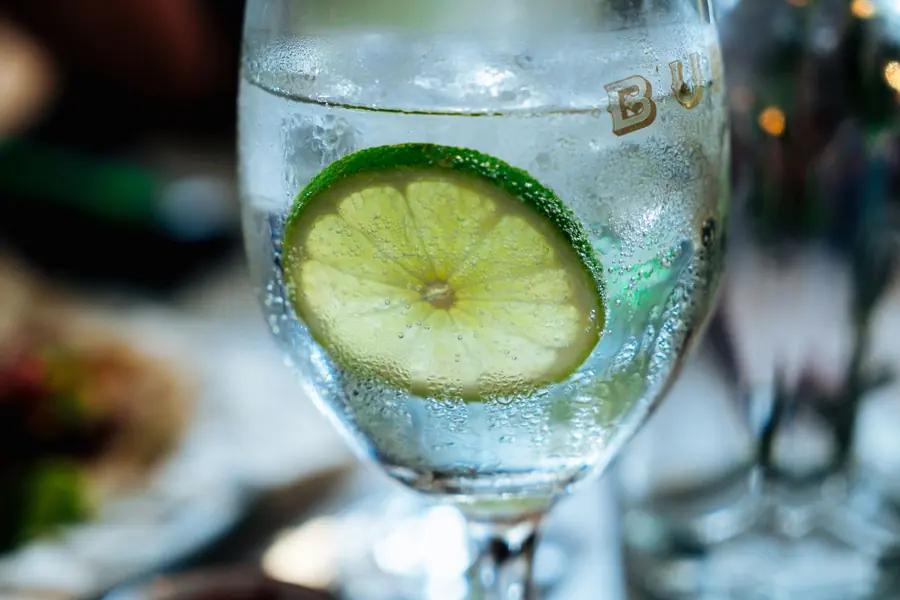
No alcohol, so the pairing logic is different: you are looking for something to cut fat, salt and heat rather than something to match tannin. The traditional answers are mint tea, ayran (salted yogurt), limonana (mint lemonade) and coffee afterwards. Sparkling water with lemon does the same job from any fridge.
Ayran, the one that surprises people
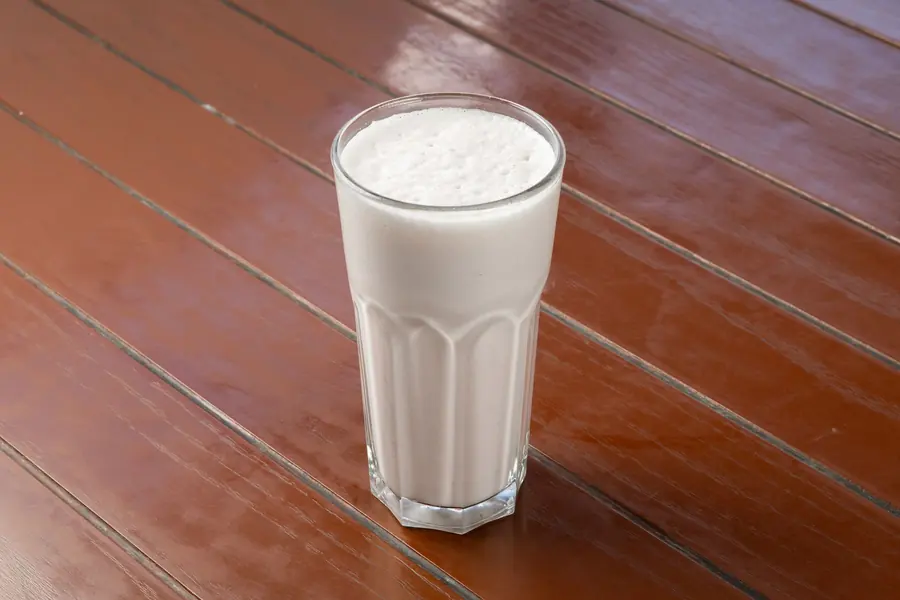
Yogurt, water and salt, whisked until frothy and served cold. It is savoury rather than sweet, which catches out anyone expecting a lassi, and it is the single best thing to drink with grilled meat.
The reason is mechanical. Fat and salt from charred meat coat the palate; something cold, acidic and slightly saline cuts straight through it and resets you for the next bite. It is also the standard answer to chilli, since dairy handles capsaicin better than water does — relevant if you have taken our advice in the guide to how spicy this food is and asked for the chilli sauce.
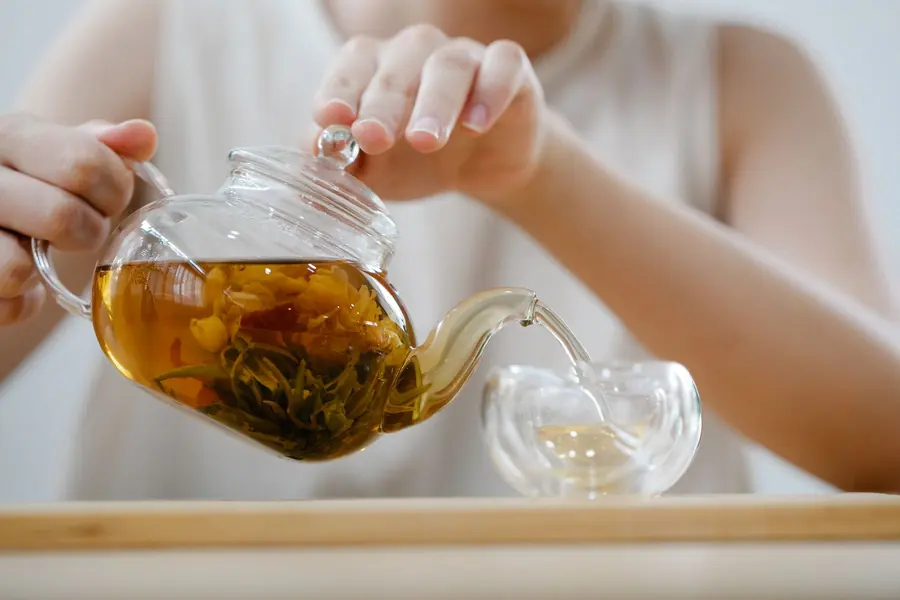
Mint tea
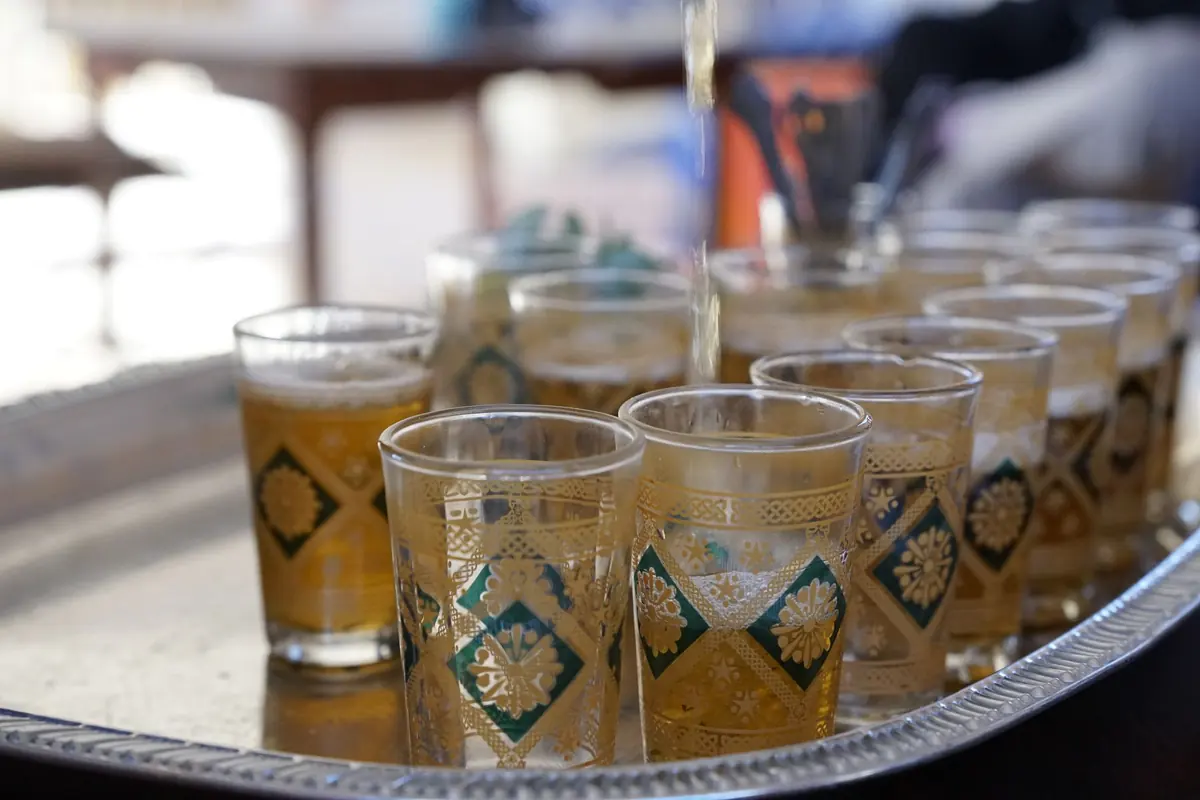
Green or black tea brewed with a generous quantity of fresh mint, usually sweetened, and served hot even in summer. It works before, during and after a meal, which almost nothing else on this list does.
With mezze and dips it is close to ideal: light enough not to compete with tahini and garlic, aromatic enough to hold its own, and hot tea after fried food does something that cold drinks do not. Our guide to the dips covers what it would be sitting alongside.
Limonana and fresh lemonade
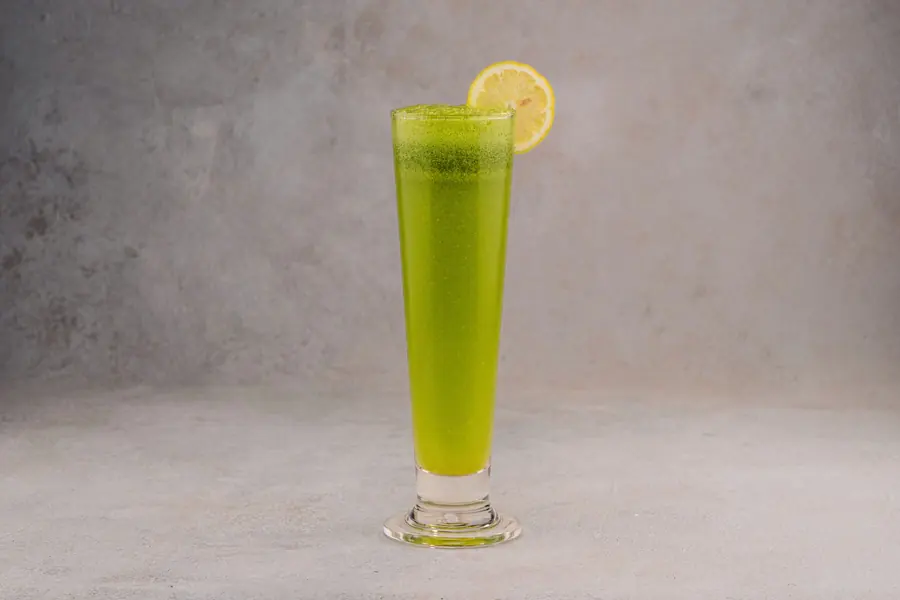
Lemon juice and mint blended with ice into something between a drink and a slush. Sharp, cold and very sweet, and the natural partner for anything fried or heavily spiced. If you only try one unfamiliar drink from this list, this is the accessible one.
It is worth ordering it fresh rather than from a bottle where you have the choice. The whole appeal is the contrast between sharp citrus and cold, and both of those fade quickly — a made-to-order version and a pre-mixed one are not really the same drink, in the way that fresh and bottled lemonade are not the same drink anywhere else either.
Why a yogurt drink turns up everywhere
Ayran is not an isolated Turkish oddity. Salted or spiced yogurt drinks run in an almost unbroken band from the Balkans through Turkey and the Levant into Iran, Afghanistan and South Asia — doogh, ayran, lassi in its salted form. The names change and the spicing changes; the idea does not.
That band maps closely onto where grilled and heavily spiced meat is eaten, which is probably not a coincidence: the drink solves a problem the food creates. It is the same convergence our comparison of Mediterranean and South Asian cooking finds elsewhere, where a shared cabinet and shared constraints produce parallel answers.
Coffee, and why it comes at the end
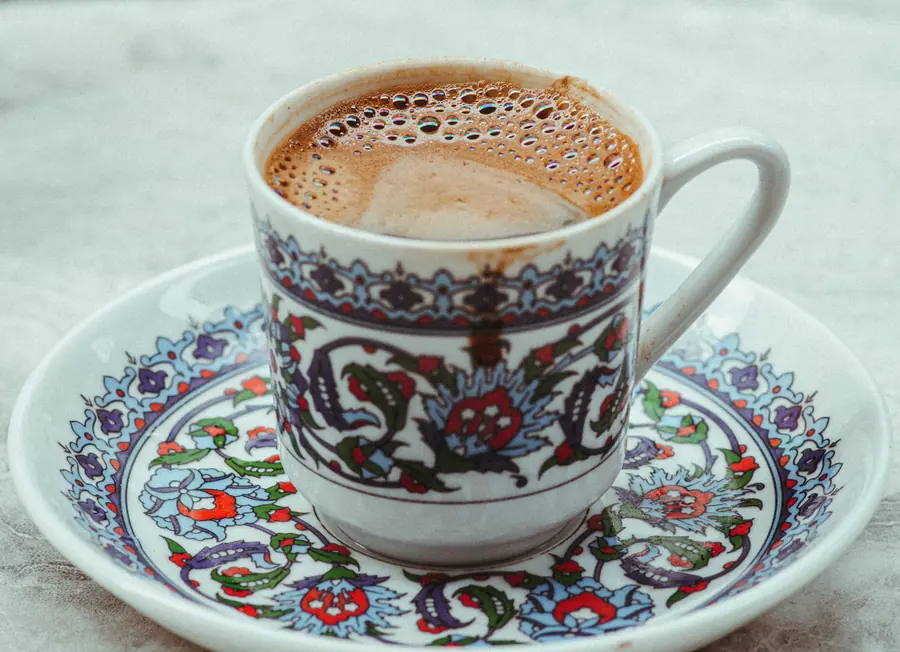
Turkish and Arabic coffee are not the same drink, though both are small, strong and unfiltered. UNESCO, which inscribed Turkish coffee culture on its intangible heritage list, describes the method: “The freshly roasted beans are ground to a fine powder; then the ground coffee, cold water and sugar are added to a coffee pot and brewed slowly on a stove to produce the desired foam. The beverage is served in small cups, accompanied by a glass of water.”
The same inscription calls the tradition “a symbol of hospitality, friendship, refinement and entertainment that permeates all walks of life”, which explains the timing. Coffee here is not a caffeine delivery mechanism taken with the meal; it is the part where nobody leaves yet. Arabic coffee, lighter and cardamom-scented, plays the same social role differently — our guide to Arabic food covers it.
What works from an ordinary drinks fridge
Most halal restaurants in the US, ours included, are not running a tea service. The good news is that the pairing logic still holds with what is actually available.
- Sparkling water with lemon. The closest ordinary substitute for ayran’s job: acidity and bubbles cut fat.
- Plain water. Underrated with heavily spiced food, and the traditional accompaniment to coffee for a reason.
- Cola or lemon-lime soda. Sweet and acidic, which works with fried items in the same way it works with everything fried.
- Iced tea, unsweetened if you can get it. The nearest thing to mint tea’s role at the table.
What to drink with what
| If you are eating | Try | Why it works |
|---|---|---|
| Grilled meat, kofta, shawarma | Ayran, or sparkling water with lemon | Cuts fat and salt between bites |
| Anything with chilli sauce | Ayran or mint tea | Dairy and mint both handle heat better than water |
| Dips, bread and mezze | Mint tea | Light enough not to compete with tahini and garlic |
| Fried items and fries | Something cold, fizzy and acidic | Carbonation and acidity cut oil |
| A heavy rice plate | Plain or sparkling water | Nothing sweet, so the meal does not become cloying |
| After the meal | Turkish or Arabic coffee | Small, strong, and a deliberate full stop |
What we actually serve
Fountain drinks with free refills, and canned soda. We do not currently serve ayran, mint tea, limonana or Turkish coffee, so treat this as a guide to what the cuisine drinks rather than a description of our fridge — the same way our guide to the dips is honest that most of them are not on our menu.
We do not serve alcohol, which is the one thing about the drinks list that is not a matter of stocking. If a drink you want is worth us carrying, tell us — that is genuinely useful information.
One drinks question comes up more than any of these and is not about pairing at all: whether energy drinks are halal, which turns entirely on a compound named after a bull.
Frequently asked questions
What do you drink with Mediterranean food?
Traditionally mint tea, ayran — a salted yogurt drink — and limonana, a mint lemonade, with Turkish or Arabic coffee afterwards. With no alcohol on the table the job of the drink is to cut fat, salt and heat, which sparkling water with lemon also does well.
What is ayran?
A cold savoury drink of yogurt, water and salt, whisked until frothy. It is savoury rather than sweet, which surprises people expecting something like a lassi, and it is the standard partner for grilled meat because it cuts fat and handles chilli heat.
What is the difference between Turkish and Arabic coffee?
Both are small, strong and unfiltered, but they differ in preparation and flavour. Turkish coffee is finely ground and brewed slowly with water and sugar to produce a foam, served in small cups with a glass of water. Arabic coffee is lighter roasted and cardamom-scented.
Is there alcohol at a halal restaurant?
No. Alcohol is not served and is not used in the cooking, which is one of the few practical differences a diner will notice. It also means the pairing question is answered differently from a conventional wine-led approach.
What should I drink if the food is spicy?
Something dairy-based if it is available, since dairy handles capsaicin better than water does. Ayran is the traditional answer and mint tea also helps. Cold water spreads the heat around rather than removing it.
The through-line: with no wine on the table, the job of the drink is to cut fat, salt and heat. Everything above is a variation on that.
Fountain drinks, free refills, and a menu built for sharing.