
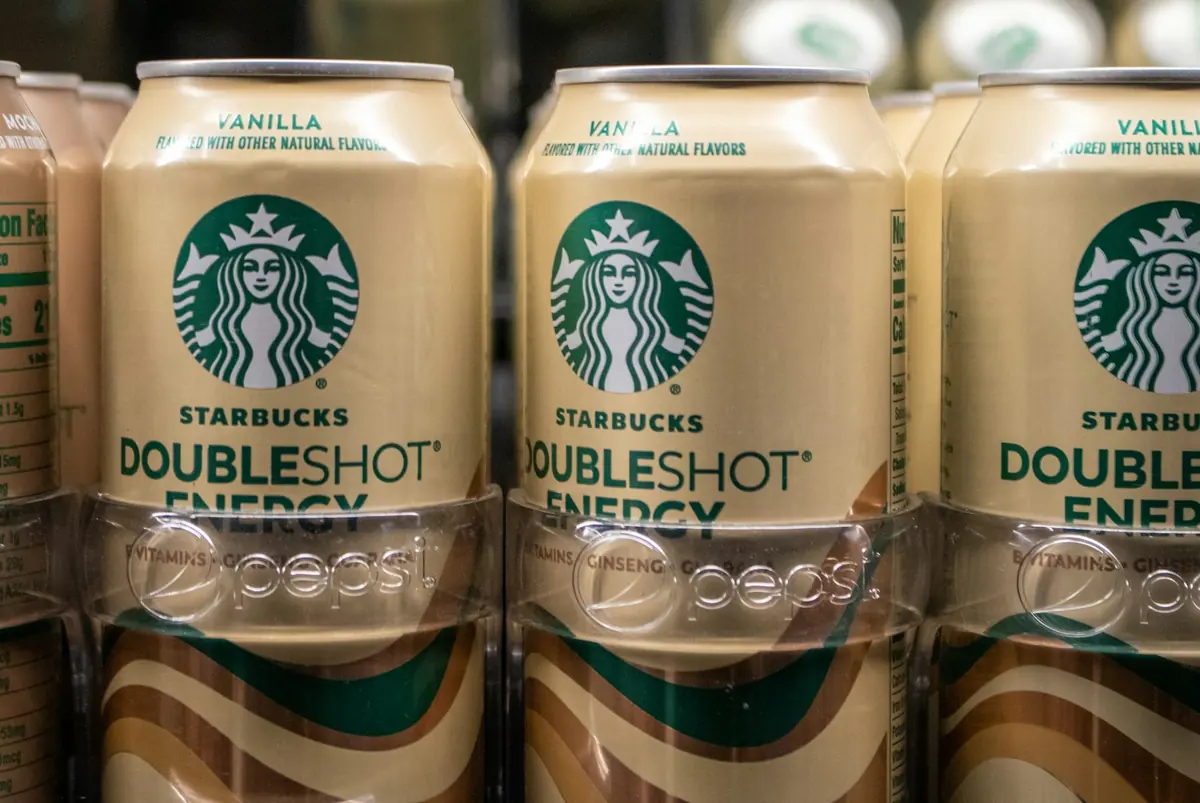
This is one of the most-searched halal ingredient questions there is, and it exists almost entirely because of a word.
The short answer
The question is about taurine, which takes its name from the Latin for bull because it was first isolated from ox bile two centuries ago. Taurine in modern drinks is overwhelmingly produced synthetically. The ingredients that genuinely vary are the flavourings, glycerin, colourings and vitamin coatings — and we are not going to rule on any named brand.
Where the question comes from
Taurine was first identified in the 1820s in ox bile, and it was named for it: taurus, bull. That etymology is the entire origin of two decades of internet rumour, and it is a genuinely reasonable thing to be suspicious about — a compound named after an animal, in a drink, with no source stated.
The name stuck; the manufacturing did not. Industrial taurine is synthesised chemically, because that is cheaper and more consistent at the volumes involved than extracting it from anything.
What a certifier actually says about it
LPPOM MUI, the halal certification body of the Indonesian Ulema Council, puts the position carefully rather than reassuringly: “Taurine can come from natural (natural) or synthetic. Natural usually comes from animal bile, this animal must be known for its origin, whether it is halal or not.”
That is the right shape of answer, and it is the same shape as gelatin and L-cysteine: the substance is defined, the source is not, and the source is what decides. It is the pattern our guide to the ingredients a US label will not explain is built around, and the reason the doubtful category exists at all.
The ingredients that actually vary
Taurine is the famous one and, in practice, rarely the operative one. Four others are more likely to decide the answer for a given product.
| Ingredient | Why it is asked about | What settles it |
|---|---|---|
| Taurine | Named after ox bile; can in principle be animal-derived | Almost always synthetic at industrial scale — certification confirms |
| Flavourings | Frequently carried in ethanol | Certification, or the manufacturer |
| Glycerin | Can come from vegetable oils, animal fat or synthesis | The same — the name never says |
| Colourings | Red and pink shades may use carmine, from insects | The label — carmine must be named in the US |
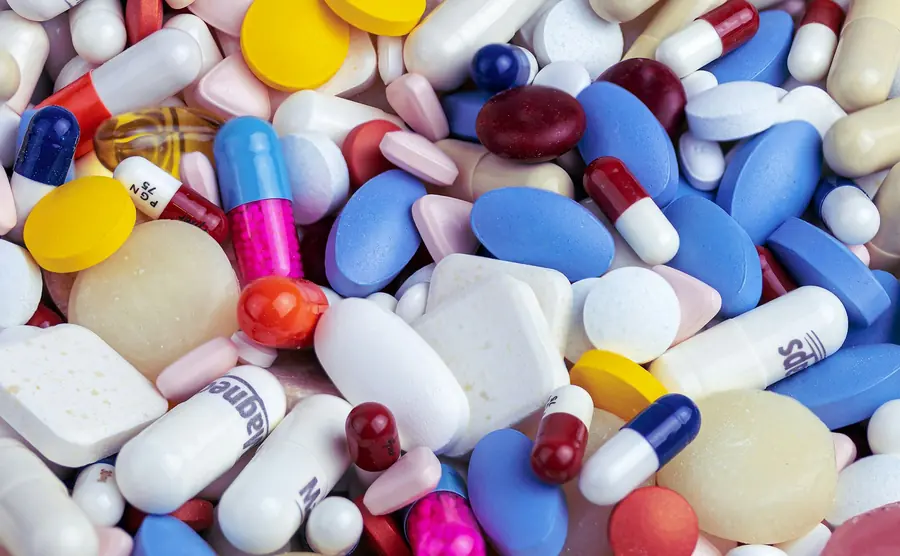
| Added vitamins | Protective coatings on vitamins often contain gelatin | Certification; this one is invisible on a label |
The last row is the one almost nobody mentions, and it comes from the same MUI guidance: coatings applied to vitamins often contain gelatin, which then needs the same source question asked of it as any other gelatin — covered in our guide to gelatin. Carmine is the opposite case: it is the one animal-derived additive US labels are required to name outright, so on that ingredient the label does the work for you.
Why we are not naming brands
Every page competing for this question ranks specific drinks as halal or haram, and we are not going to, for three reasons that apply to every brand-verdict article we have declined to write.
- Formulations differ by country. The same name can be a different recipe in a different market, which is the subject of why the same product can be halal in one country and not another.
- Formulations change. A verdict published today is a claim about a moment, and nothing marks the page when the recipe moves.
- It is not ours to certify. A restaurant asserting the status of a drink it does not make or sell is offering an opinion dressed as a finding.
What we can say is where to look: the certifier’s current directory for that product in your country, which is the only source that is both authoritative and up to date. Our guide to what halal certification certifies covers how to read those marks.
Why certification does more work here than usual
A can of energy drink has a longer ingredient list than most of the food on a restaurant menu, and almost none of those ingredients states its origin. Taurine, glycerin, flavourings, colourings, preservatives, added vitamins and the coatings on those vitamins are all names rather than sources.
That makes the drinks category unusually dependent on somebody having audited the supply chain, because reading the label cannot get you there even in principle. It is the opposite of the situation in a restaurant, where there is a person to ask — and it is why a certifier’s mark on a can is worth considerably more than the same mark on something simple.
It is also why answers found online age badly. A drink reformulated last year, or made under licence in a different country, is a different product wearing the same name.
Caffeine is a different question
Worth separating, because the two get run together. Caffeine is not the halal issue in an energy drink; the ingredient questions above are. Whether a particular quantity of caffeine is a good idea is a health question, and health questions belong to clinicians rather than to a restaurant blog — we have no advice to offer on it and are not going to invent any.
What we serve
Fountain drinks with free refills, and canned soda. We do not carry energy drinks, so treat this as an ingredient explainer rather than a description of our fridge — the same footing as our guide to what to drink with Mediterranean food, which covers several things we also do not stock.
Frequently asked questions
Are energy drinks halal?
It depends on the specific product, and the ingredients that decide it are usually the flavourings, glycerin, colourings and vitamin coatings rather than the taurine everyone asks about. The reliable answer for any given drink is its certifier’s current listing in your country.
Is taurine made from bulls?
It was named for one. Taurine was first isolated from ox bile in the 1820s and takes its name from the Latin taurus, which is why the question persists. Industrial taurine is overwhelmingly produced synthetically, because that is cheaper and more consistent than extraction.
What ingredients in an energy drink actually need checking?
Flavourings, which are frequently carried in ethanol; glycerin, which can be vegetable, animal or synthetic; red and pink colourings, which may use carmine; and added vitamins, whose protective coatings often contain gelatin.
Why will you not say whether a specific brand is halal?
Because formulations differ between countries and change over time, so a verdict would be a claim about one moment in one market. A restaurant is also not a certifying body. The certifier’s current directory for your country is the source that is both authoritative and current.
Is caffeine halal?
Caffeine is not the halal question in an energy drink; the ingredient sourcing questions are. Whether a given amount of caffeine is advisable is a health matter for clinicians rather than something a restaurant should offer a view on.
A compound named after a bull, in a can, with no source printed on it. The suspicion was reasonable; the answer is that the name outlived the method.
Fountain drinks and soda, alongside food made with halal ingredients.