
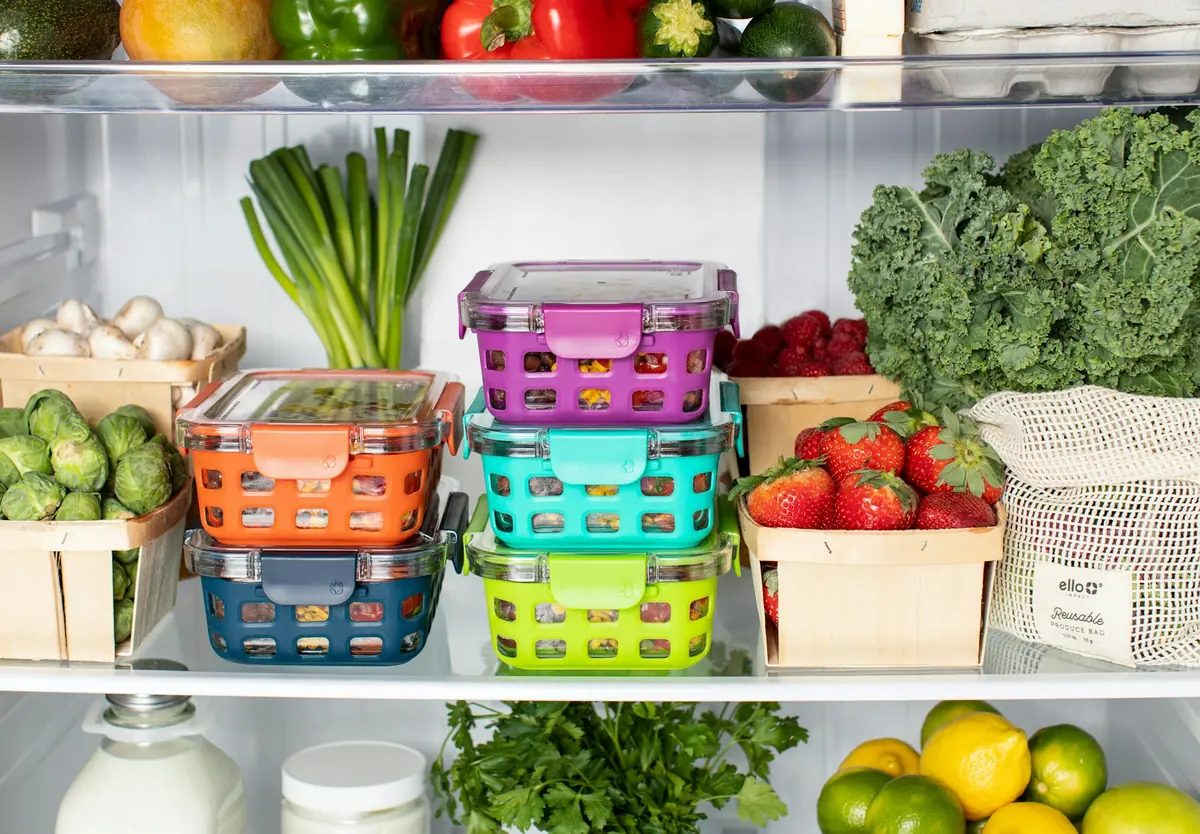
Mediterranean portions are generous, which means leftovers are normal rather than exceptional. The food also happens to reheat better than most takeaway, provided you know which parts survive and which do not.
Here is what keeps, for how long, and how to warm it back up without turning grilled meat into something rubbery.
The short answer
Get it into the refrigerator within two hours, keep the components separate, and reheat meat and rice gently with a splash of water rather than blasting them. Fried items and dressed salads do not come back — eat those on the day.
The two-hour rule
This is the part that matters most and gets ignored most, usually because food sits on a counter while everyone finishes talking.
The FDA’s guidance on storing food safely is direct about it: do not let food that requires refrigeration sit at room temperature for more than two hours, reduced to one hour if the air is above 90°F — and it says explicitly that this applies to leftovers, doggie bags and take-out food. It also puts the refrigerator at or below 40°F and the freezer at 0°F.
In a Texas summer the one-hour version is the relevant one more often than people think, particularly for food that has been in a car.
What keeps well, and what does not
| Item | Keeps? | Notes |
|---|---|---|
| Grilled meat | Well | Reheats better than almost anything else on the menu |
| Rice | Well | Refrigerate promptly; reheat with a splash of water |
| Hummus and dips | Well | Keep covered; they dry out at the surface |
| Flatbread | Reasonably | Wrap it; refresh in a dry pan rather than a microwave |
| Undressed salad | Reasonably | Keeps a day if the dressing was on the side |
| Dressed salad | Poorly | Wilts within hours — eat on the day |
| Falafel and fried items | Poorly | Lose their crust; an oven or air fryer helps a little |
| Assembled wraps | Poorly | The bread absorbs the sauce and collapses |
The pattern is straightforward: anything whose appeal depends on a crisp surface or a fresh leaf is a same-day proposition. Anything whose appeal is the meat, the grain or the spice comes back fine.
Separate the components before you store them
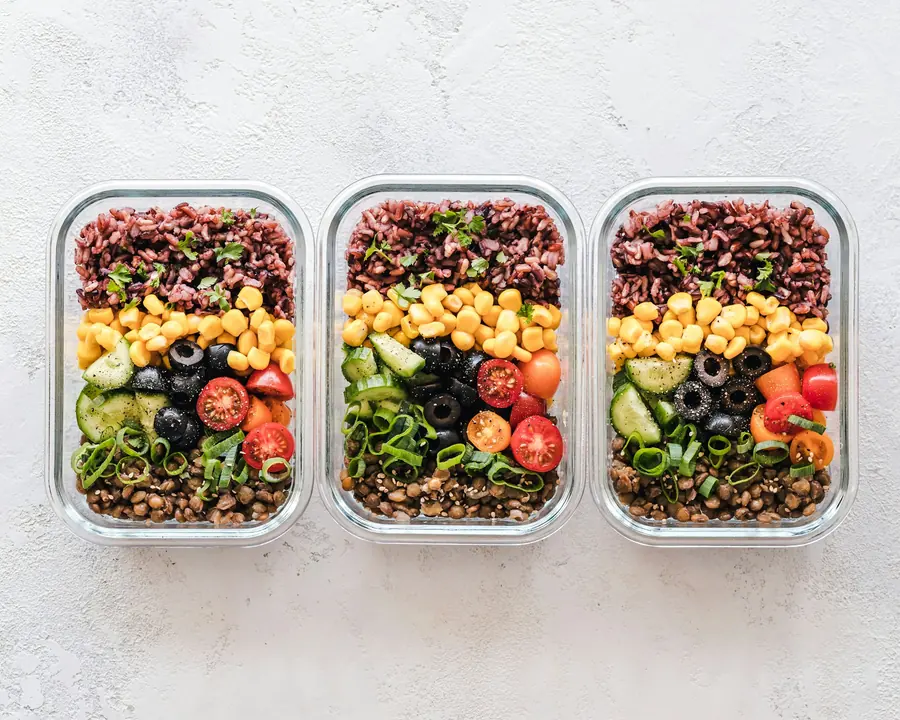
Five minutes of work at the point of putting food away saves the meal. If you have a plate with meat, rice, salad and sauce, store them apart rather than as one mixed container.
- Sauce goes in its own pot. It is the single biggest cause of soggy leftovers, and it needs no reheating at all.
- Salad goes separately, undressed if you can manage it.
- Bread is wrapped rather than boxed, so it does not steam itself soft in a sealed container.
- Meat and rice can share, since they reheat at the same rate and the rice benefits from the meat juices.
If you routinely take food home, this is a reason to order a plate or a bowl rather than a wrap — our guide to choosing between a plate, a wrap and a bowl covers how the formats behave, and the assembled wrap is the one that suffers most.
Reheating, by item
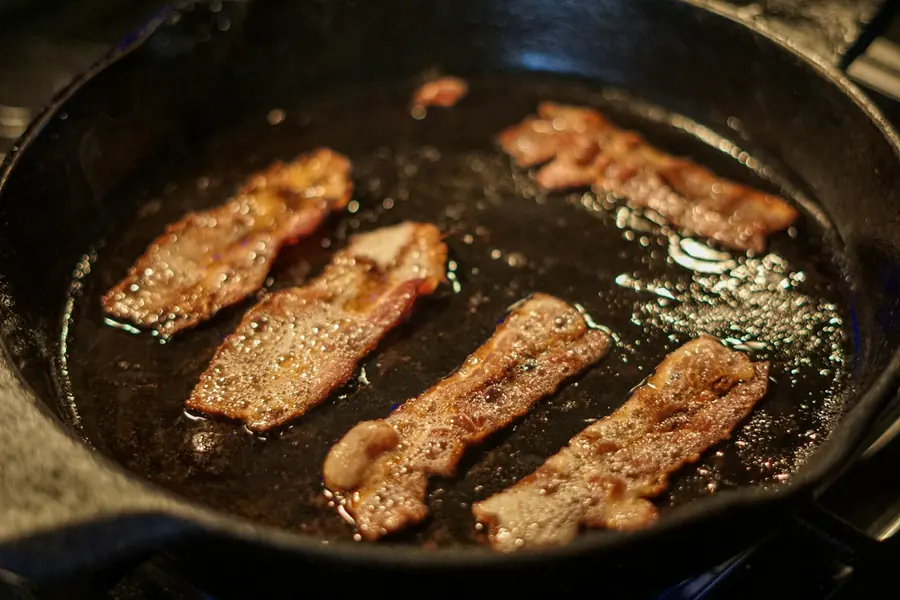
- Grilled meat. A pan over medium heat with a few drops of oil or water, covered, for two or three minutes. A microwave works but dries the edges; if you use one, cover it and go in short bursts.
- Rice. Add a tablespoon of water per portion, cover, and heat until steaming. The water is not optional — it is what stops the grains going hard.
- Flatbread. Thirty seconds in a dry pan on each side. A microwave makes it soft and then leathery as it cools.
- Falafel and fried items. Oven or air fryer at a moderate heat for a few minutes. Never a microwave, which guarantees a soft crust.
- Dips. Do not reheat them. Take them out of the refrigerator twenty minutes early instead, because cold flattens their flavour.
The general principle is gentle heat with a little moisture and a lid. Almost every leftover failure is the result of too much heat applied too fast to food with nothing left to lose.
How long things keep
Cooked meat and rice are generally treated as a three-to-four-day proposition in the refrigerator, and dips a similar window once opened. Freezing works well for grilled meat and for rice, and poorly for anything with fresh vegetables or yoghurt in it, which separate on thawing.
When in doubt, the honest answer is to throw it out. The value of a leftover portion is not high enough to be worth a judgement call about it.
Turning leftovers into a second meal
The most reliable trick is not to reheat the whole thing as it was, but to rebuild it as something slightly different. Cold grilled meat is good in a fresh salad without any reheating at all. Rice and meat warmed together with a fried egg on top is a better breakfast than it sounds. Leftover hummus thinned with lemon and water becomes a dressing.
This works better than faithful reheating because the components were cooked for a plate that no longer exists, and there is no obligation to reconstruct it.
For larger quantities
If you are dealing with the end of a catered event rather than one takeaway container, the same rules apply but the two-hour clock is harder to respect because the food has usually been out for a while already. Our catering planning timeline covers timing the food so there is less sitting out at the end, and our guide to how much food to order for a group is the better fix, since the cheapest leftover is the one you never ordered.
A good deal of this is decided before the food gets home. Our guide to what travels well covers which formats survive the drive and the one request that improves almost every takeout order.
Frequently asked questions
How long do Mediterranean leftovers keep in the fridge?
Cooked meat and rice are generally treated as good for three to four days when they have been refrigerated promptly, and dips for a similar period once opened. Dressed salads are a same-day item. If you are unsure how long something has been out before it went in, throw it out.
What is the best way to reheat gyro or shawarma meat?
A covered pan over medium heat with a few drops of oil or water for two to three minutes. That warms it through without drying the edges. A microwave works if you cover it and heat in short bursts, but it is harder to stop it going rubbery.
How do I stop leftover rice going hard?
Add about a tablespoon of water per portion before reheating and keep it covered. The rice loses moisture in the refrigerator and reheating without replacing it is what produces hard grains.
Can I reheat falafel and keep it crispy?
Partly. An oven or air fryer at a moderate temperature for a few minutes recovers some of the crust; a microwave will not, and makes it soft. Fried items are always best on the day they are made.
Should I keep the sauce with the food or separately?
Separately, always. Sauce stored in contact with bread, salad or fried items is the main reason leftovers go soggy, and it needs no reheating anyway, so keeping it apart costs nothing and saves the rest of the meal.
Refrigerate within two hours, store the components apart, and reheat gently with a little moisture. Grilled meat and rice will be genuinely good the next day; the fried things never will be.
Order a plate if you are planning on leftovers — it keeps better than a wrap.