
Walk into a restaurant signed “Mediterranean” in the US and you will very often be handed a menu of hummus, shawarma, falafel and kebabs. Walk into one signed “Middle Eastern” and the menu may look almost identical.
The two terms genuinely mean different things. Here is the difference, and why the labels blur so much in practice.
The short answer
Mediterranean is a geographic term covering every country bordering the Mediterranean Sea — Spain, Italy, Greece, Turkey, Lebanon, Egypt, Morocco and more. Middle Eastern describes a cultural region that includes countries with no Mediterranean coast at all, such as Iraq and Saudi Arabia. The two overlap in the Levant, which is where most American “Mediterranean” restaurants actually sit.
Mediterranean is a coastline
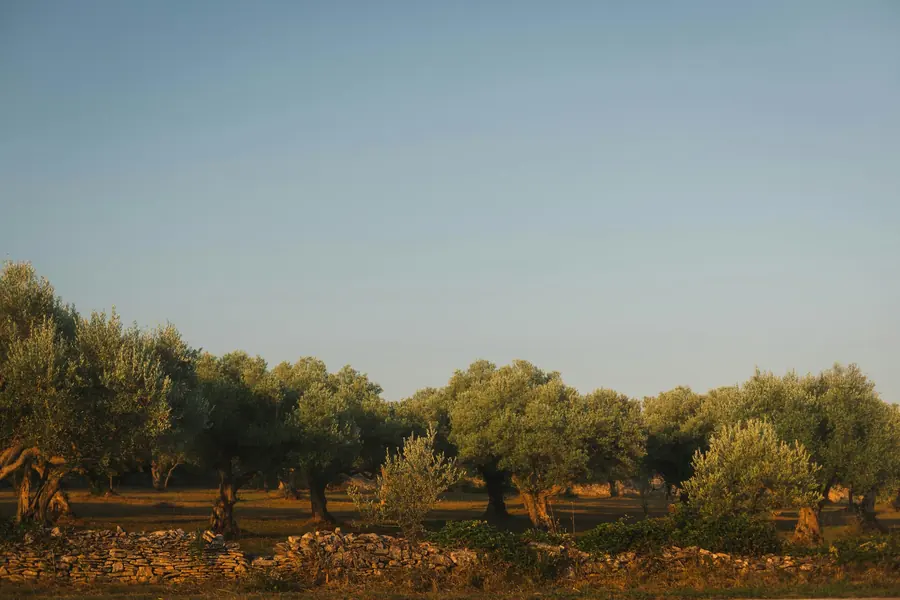
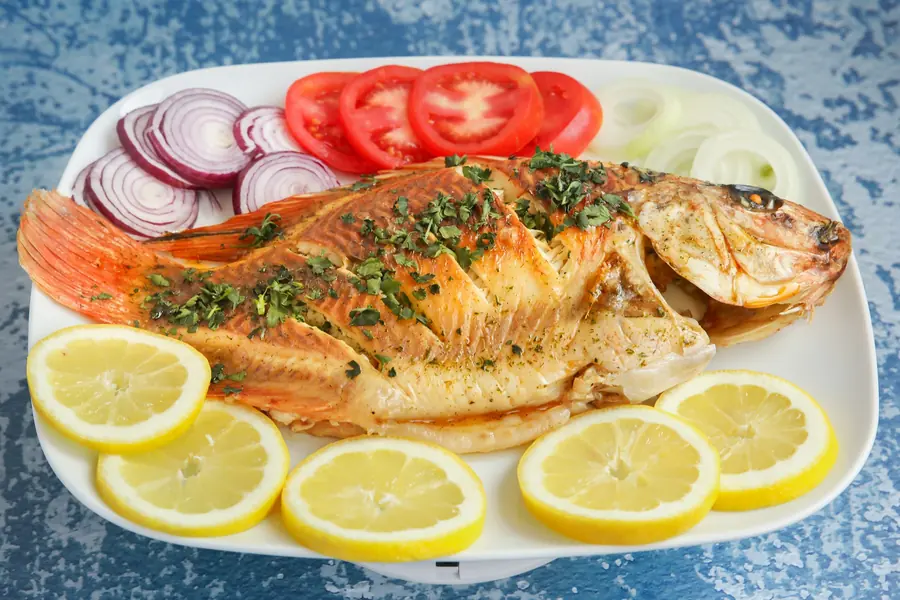
The defining feature is the sea and what grows near it: olive oil, wheat, grapes, tomatoes, citrus, herbs and a great deal of fish. Spanish, Italian, Greek, Turkish, Lebanese, Egyptian and Moroccan cooking are all Mediterranean by this definition, despite having very little else in common.
UNESCO recognises the Mediterranean diet as intangible cultural heritage and describes it as a set of skills, practices and traditions shared across the basin rather than a single national cuisine — which is exactly why the label alone tells you so little about a menu.
Middle Eastern is a region and a culture
The Middle East is defined culturally and politically rather than by a coastline. It stretches inland to Iraq, Iran, Jordan and the Gulf, none of which touch the Mediterranean, while excluding Italy and Spain, which do.
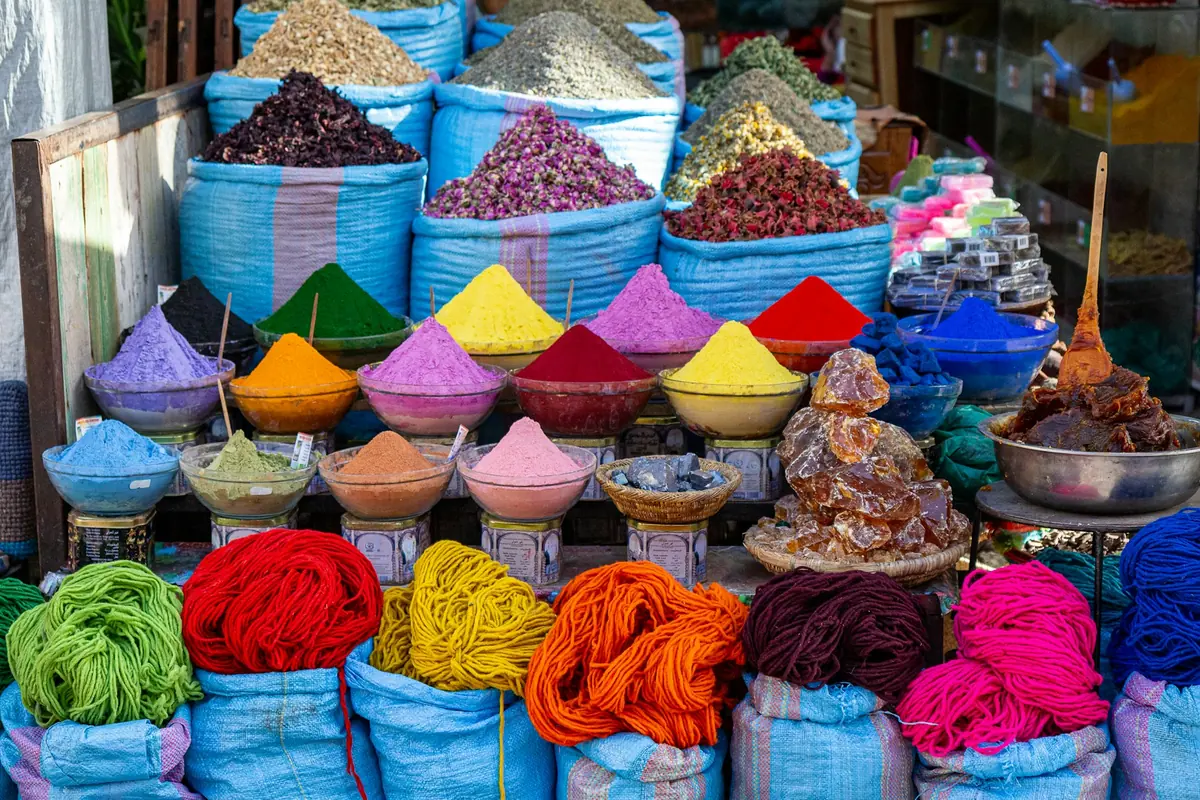
The cooking leans on warm spices — cumin, coriander, cardamom, sumac, cinnamon — along with lamb, rice, bulgur, yogurt and legumes. Slow-cooked stews and grilled meats matter more than seafood, because much of the region is inland.

The overlap: the Levant
Lebanon, Syria, Palestine, Jordan and Israel sit in both categories at once. They border the Mediterranean and they are culturally Middle Eastern, which is why their food is claimed by both labels.
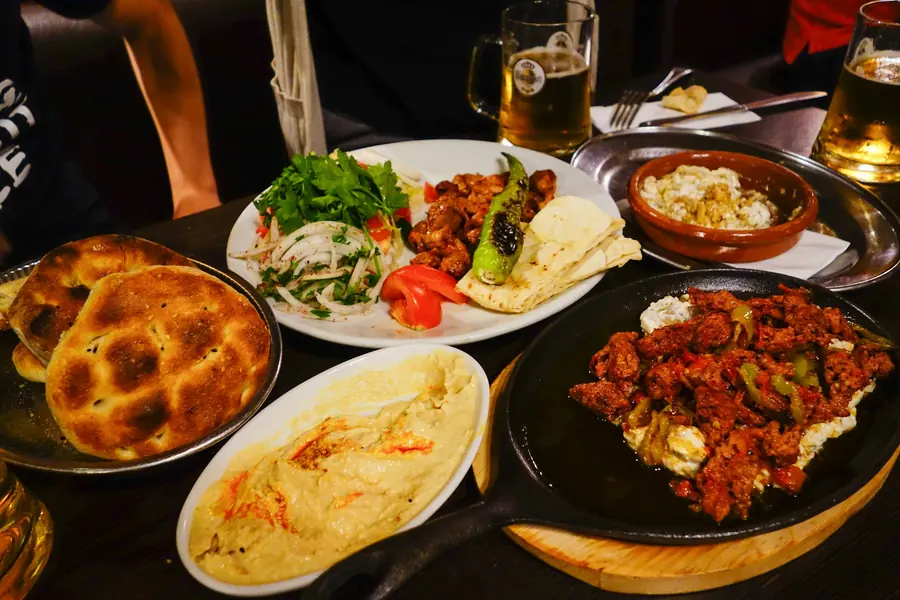
Hummus, falafel, tabbouleh, baba ganoush, shawarma and kebabs all come from this overlap zone. That is the single most useful thing to know here: when an American restaurant says “Mediterranean”, it is usually serving Levantine food.
There is a third label that overlaps both of these and follows neither a coastline nor a region — our guide to what Arabic food actually means covers the category defined by language instead, which is why it takes in both the Gulf and North Africa.
North Africa: the third strand
Morocco, Tunisia, Algeria, Libya and Egypt sit in an awkward position for both labels. They are Mediterranean by geography, Arab by culture, and African by continent, and their cooking reflects all three.
Tagines, couscous, harissa and preserved lemon belong to this strand rather than to the Levant, which is why a menu with those things on it is a different proposition from one built on hummus and shawarma — even though both may call themselves Mediterranean.
Side by side
| Mediterranean | Middle Eastern | |
|---|---|---|
| Defined by | Geography — the sea | Culture and region |
| Includes | Spain, Italy, Greece, Turkey, Lebanon, Egypt, Morocco | Levant, Iraq, Iran, Arabian Peninsula, Turkey |
| Signature fat | Olive oil | Olive oil, ghee and butter |
| Seafood | Central in coastal cooking | Limited, except on the coasts |
| Spicing | Herb-forward — oregano, basil, rosemary | Warm spices — cumin, coriander, sumac, cardamom |
| Typical grain | Wheat, pasta, rice | Rice, bulgur, flatbread |
| Typical meat | Varies widely by country | Lamb, chicken, beef |
| Common cooking | Grilling, roasting, baking | Grilling and slow braising |
The dishes that belong to both
A handful of dishes travel so freely that arguing about their origin is a national sport in several countries. It is worth knowing which ones sit in the shared middle.
- Hummus, falafel and tabbouleh — Levantine, claimed across the region, and standard on menus under either label.
- Kebabs and grilled meats — found from Greece to Iran under different names and spice profiles.
- Flatbread — pita, lavash, khubz and pide are variations on the same idea across the whole area.
- Stuffed vegetables and vine leaves — dolma, mahshi and gemista are the same technique with different herbs.
If a menu is built mostly from that list, the label above the door is close to arbitrary.
Why restaurants use “Mediterranean”
Partly because it is broader and more familiar to American diners, and partly because it is accurate for Levantine food — Lebanon really does sit on the Mediterranean.
The practical consequence for you is that the sign tells you less than the menu does. If you see hummus, shawarma and kebabs, you are looking at Levantine cooking regardless of which word is above the door.
Does the distinction matter when you are ordering?
For most meals, no. If you like hummus and grilled meat you will be happy under either sign. Where it starts to matter is at the edges of the menu.
A restaurant leaning European Mediterranean is more likely to offer seafood, pasta and wine, and more likely to cook with pork somewhere. One leaning Levantine or Middle Eastern is more likely to offer mezze, rice plates, flatbread and a wider vegetarian selection, and less likely to serve either.
So the useful move is to skim the menu rather than the sign. Two minutes tells you more than the word above the door ever will.
Menus in the US also tend to compress all of this. A single restaurant may put Greek salad, Lebanese hummus and Turkish doner on one page, which no restaurant in any of those countries would do. That is a feature of American Mediterranean dining rather than a mistake, but it does mean the menu is a blend rather than a representation of any one place.
What it means for halal eating
This distinction has a real consequence. The Middle Eastern and Levantine end of the Mediterranean is where pork is least common in the cooking tradition. The European end — Italy, Spain, Greece — is where it is most common.
So a “Mediterranean” restaurant serving Levantine food is far more likely to be straightforward than one serving Italian or Greek food, though neither is halal by definition. We go through that in whether Mediterranean food is halal, and the Greek case specifically in whether Greek food is halal.
There is a third label worth knowing about, and it is American rather than regional: the halal cart format that shaped most US halal menus. Where it came from explains why so many of them look alike.
Frequently asked questions
Is Mediterranean food the same as Middle Eastern food?
No. Mediterranean is a geographic term covering every country bordering the Mediterranean Sea, including Italy and Spain. Middle Eastern describes a cultural region that reaches inland to countries with no Mediterranean coast. They overlap in the Levant.
Is Lebanese food Mediterranean or Middle Eastern?
Both. Lebanon borders the Mediterranean and is culturally Middle Eastern, which is why Lebanese dishes such as hummus, tabbouleh and falafel appear under both labels.
Why do American restaurants say Mediterranean instead of Middle Eastern?
Partly familiarity, and partly accuracy — Levantine countries genuinely are Mediterranean. In practice, if the menu features hummus, shawarma and kebabs, you are looking at Levantine cooking whichever word is on the sign.
Which is spicier?
Middle Eastern cooking generally uses more warm spice — cumin, coriander, sumac and cardamom — while European Mediterranean cooking leans on herbs such as oregano, basil and rosemary. Neither is especially hot.
Is Turkish food Mediterranean or Middle Eastern?
Turkey is usually counted as both. It has a long Mediterranean coastline and its cooking shares a great deal with both its European and its Middle Eastern neighbours.
Mediterranean is a coastline; Middle Eastern is a region. They overlap in the Levant, and that overlap is what most American Mediterranean menus are built on.
Our menu sits squarely in that overlap — shawarma, kofta, hummus and falafel, all made with halal ingredients.