
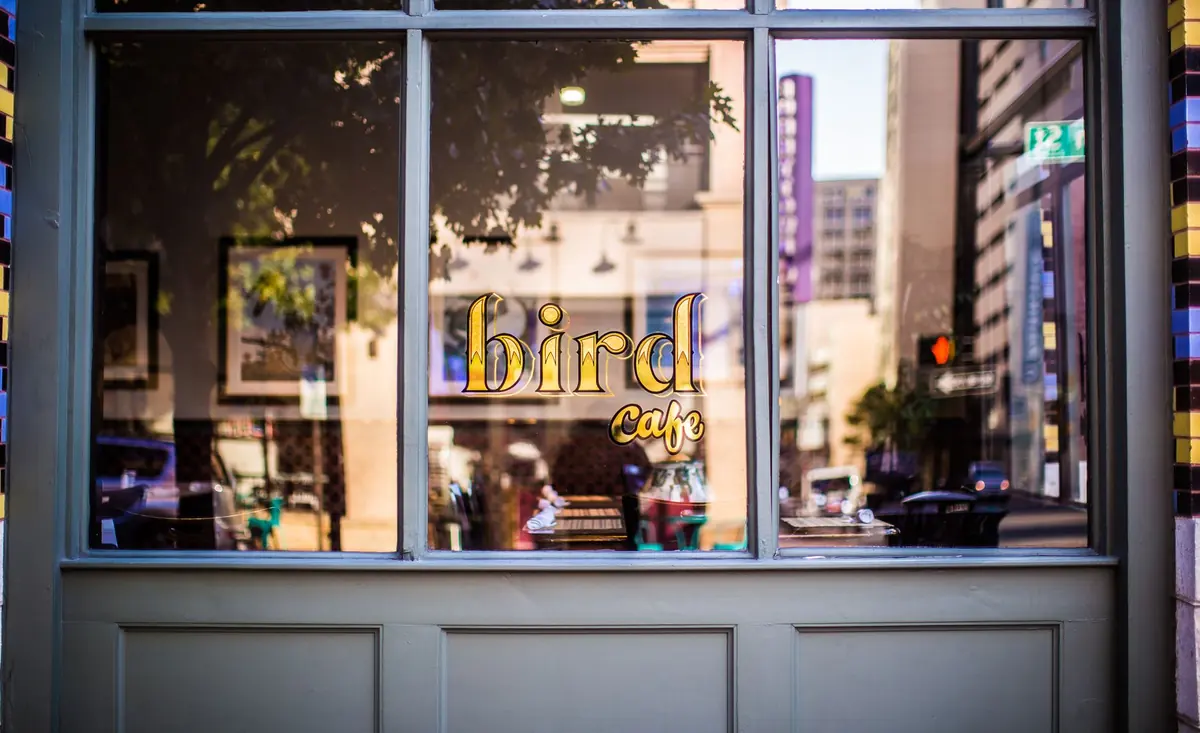
Four restaurants on the same street. One window says halal certified, one says halal, one says halal-friendly and one says no pork served. They are not four ways of saying the same thing.
The short answer
They sit on a ladder. Halal certified means a third party audited it. Halal is the restaurant’s own claim. Halal-friendly and Muslim-friendly are informal, and usually mean some dishes are halal while the kitchen also serves non-halal food or alcohol. No pork is the weakest: it excludes one thing and says nothing about anything else.
The phrases, in order of strength
None of these is regulated as a category, which is why the ladder is a matter of convention rather than law. In practice the convention is fairly consistent.
Halal certified
A certification body has audited the supply chain and usually the premises. NHASA, a halal authority, describes certification as “a structured compliance framework” — the point being that there are documents, an audit trail and an external party whose name is attached. What our guide to halal certification adds is that the certifier’s identity carries the weight, because standards differ.
Halal
Unqualified, this is a claim by the business itself. That is not a lesser thing than certification in every case — plenty of small independents source carefully and never apply for a certificate — but it is unverified by anyone outside the building. In Texas it is at least an enforceable representation rather than pure marketing, which is more than most states offer.
Halal-friendly and Muslim-friendly
This is where the ambiguity lives, and it is worth being precise about it. NHASA calls halal-friendly “an informal term” lacking “formal verification, documented audits, or structured compliance controls”, and notes that its interpretation “can vary widely”.
In a restaurant it most often means: we use halal meat for some dishes, and we also serve things you will not want. Alcohol is the usual accompaniment — a bar in the room, wine on the list — and sometimes pork elsewhere on the menu. The phrase is an accommodation rather than a standard.
Halal available, or halal on request
Narrower again: specific dishes can be made with halal meat, often to order. The questions that matter here are which dishes, and what happens in the kitchen between them and everything else — shared grills, shared fryers, shared utensils.
No pork, or pork-free
The weakest of the set, and the one most often mistaken for more than it says. It excludes one ingredient. It makes no claim about how the beef or chicken was slaughtered, and none about alcohol. A pork-free kitchen serving non-halal-slaughtered chicken and a glass of wine is making an entirely honest statement.
The ladder at a glance
| Phrase | What it usually means | What to ask |
|---|---|---|
| Halal certified | A third party audited the sourcing and premises | Which certifier, and is the certificate current? |
| Halal | The restaurant’s own claim, unverified externally | Who supplies the meat, and are they certified? |
| Halal-friendly / Muslim-friendly | Some dishes are halal; alcohol or non-halal food is usually also served | Which dishes, and what is shared in the kitchen? |
| Halal available / on request | Specific dishes only, often made to order | Which ones, and is the grill or fryer shared? |
| No pork / pork-free | One ingredient excluded, nothing more | Is the other meat halal at all? Is alcohol served? |
Why the vaguer phrases exist
Rarely deception, in our experience. Certification is expensive, renews annually and was designed for manufacturers rather than kitchens, so a great many restaurants that source halal meat conscientiously never hold a certificate. And a restaurant with a bar genuinely cannot claim more than partial accommodation, so a softer phrase is the accurate one for them to use.
The problem is not that the phrases are dishonest. It is that they are compressed, and the compression loses exactly the information a diner needs.
Nobody is grading these phrases
Worth being explicit, because the ladder above can read as though it has an authority behind it. It does not. No body defines halal-friendly, nobody audits who may use it, and there is no penalty for a restaurant that uses the phrase loosely. The convention holds because it is broadly observed, not because it is enforced.
The one exception is at the top and bottom of the ladder. A certification mark belongs to a body that can withdraw it, and in Texas the word halal itself is a regulated representation. Everything in the middle is convention, and abroad even the conventions shift — as they do with certification generally.
Three questions that cut through all of it
- Is alcohol served here? The fastest single question. A yes places the restaurant on the lower half of the ladder immediately, whatever the window says.
- Where does the meat come from, and is that supplier certified? This moves the question to the part of the chain where certification actually lives.
- Is anything shared — grill, fryer, utensils? Relevant only where the kitchen handles both, which the first two answers will have told you.
Our guide to telling whether a restaurant is really halal covers how to ask these without it becoming an interrogation, and what makes a menu halal covers what you can work out from the menu before you say anything.
What we say, and what we mean by it
Our menu states that all our items are made with halal ingredients. We do not serve alcohol and there is no pork on the menu. We do not hold a third-party certificate, so we do not use the word certified, and we are not going to imply a level of verification we have not bought.
If you want to know more than that sentence contains — who supplies the meat, what the kitchen shares — ask us. That is a better use of your time than parsing a window.
Confusing pork-free with halal is the most consequential of a set of misunderstandings worth clearing up — we go through nine of them, including one that flatters restaurants and is still wrong.
Frequently asked questions
What does halal-friendly mean?
It is an informal term with no fixed definition. In a restaurant it usually means some dishes are made with halal meat while the kitchen also serves non-halal food or alcohol. A halal authority describes it as lacking formal verification, documented audits or structured compliance controls.
Is halal-friendly the same as halal?
No. Halal, unqualified, is a claim that the food meets the standard. Halal-friendly signals accommodation rather than compliance, and typically means the restaurant is not exclusively halal. If the distinction matters to you, ask whether alcohol is served.
Does no pork mean halal?
No. Pork-free excludes one ingredient and says nothing about how the beef, lamb or chicken was slaughtered, and nothing about alcohol. It is the weakest of the phrases and the one most often read as meaning more than it says.
What does halal available mean on a menu?
Usually that specific dishes can be made with halal meat, sometimes to order, while the rest of the menu is not. The useful follow-up questions are which dishes qualify and whether the grill, fryer or utensils are shared with other items.
Which phrase should I trust most?
Halal certified is the strongest, because an external body has audited it, though the certifier’s identity still matters since standards differ. An uncertified restaurant is not necessarily worse, but the claim is unverified, so asking about the meat supplier is worth doing.
The ladder is worth memorising, because the difference between the top rung and the bottom one is very large and the wording difference is very small.
Halal ingredients, no alcohol, no pork. Stated plainly.