
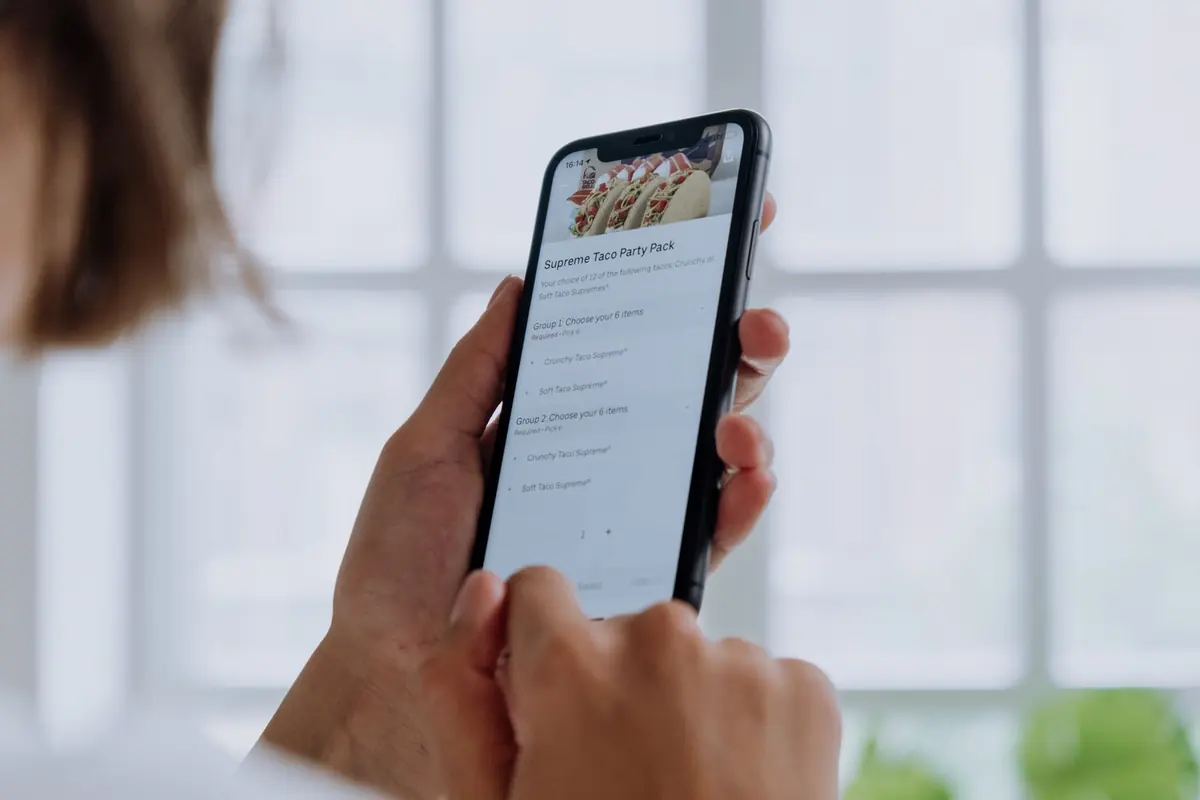
The halal filter on a delivery app is the fastest way to find halal food ever invented, and the least verified signal in this entire subject. Both of those things are true at once, and it is worth knowing which one you are relying on.
The short answer
The “halal” tag on a delivery app is chosen by the restaurant, not verified by the platform. It is the same kind of claim as the word painted on a window — a starting point for a shortlist, not an answer. The verification still has to happen somewhere else.
How the tags get there
This is not a secret, and the clearest description of it comes from the restaurant-marketing side rather than the consumer side. A guide advising restaurants on delivery-platform visibility explains that “platforms like Uber Eats and DoorDash allow you to categorize your restaurant under specific cuisine types and dietary categories”, and that “these tags impact where you show up when customers filter by ‘Thai,’ ‘Vegetarian,’ ‘Halal,’ ‘Healthy,’ and more.”
Read that as a consumer and notice what is absent. The advice is about discoverability — pick the tags that get you found. There is no verification step in it, because there is no verification step to describe.
That is not an accusation against anybody. Most restaurants tagging themselves halal are halal. It means the tag carries the same weight as the restaurant saying so, which is exactly the weight described in our guide to what the different halal phrases mean — and the same ladder applies, with the same gap between the top rung and the bottom.
Why this matters more on an app than in person
Standing in a restaurant, you have several signals at once. You can see whether there is a bar. You can look at the whole menu, including the parts you are not ordering from. You can read the wall, and you can ask a person a question and watch how they answer it.
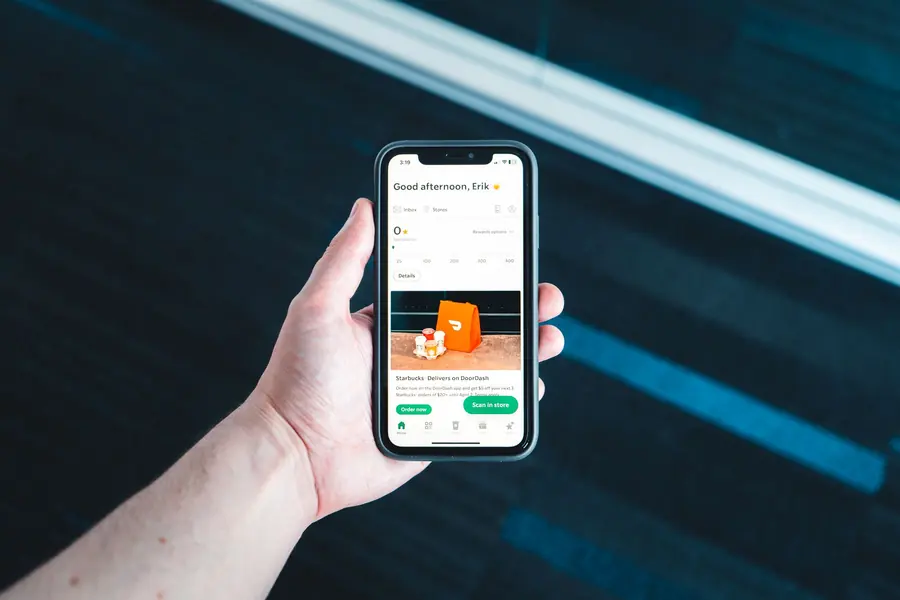
An app removes all of that. You get a tag, a photograph, a star rating and a menu with the categories you filtered for. A restaurant serving pork on half its menu and halal chicken on the other half looks, through a halal filter, identical to a fully halal kitchen — because the filter surfaced the second half.
What each signal is worth
| What you see in the app | What it establishes |
|---|---|
| The halal filter tag | The restaurant selected that category. Nothing further |
| “Halal” in the restaurant name | A stronger commitment, since it is on the sign too — still unverified |
| A halal section within a larger menu | Usually a mixed kitchen. Worth more questions, not fewer |
| Pork or alcohol elsewhere on the menu | Genuinely informative, and visible if you scroll past your filter |
| A certifier’s logo in the listing photos | The strongest signal available in an app, and rare |
| Reviews mentioning halal | Other diners’ assumptions, not verification |
The fourth row is the one people miss, and it is free. Clear the filter and read the whole menu. It takes ten seconds and tells you more than the tag did.
A practical routine
- Use the filter to build a shortlist, which is what it is genuinely good at.
- Clear the filter and read the full menu for each candidate. Pork and alcohol are the fastest disqualifiers and they are right there.
- Look up the restaurant’s own website. Restaurants that take this seriously usually say more on their own site than a listing allows.
- Call or message once. One conversation with a place you expect to reorder from settles it permanently — our guide covers what to ask.
- Then order however you like. Once you have verified a kitchen, the app is just a delivery mechanism.

What a good listing looks like
Some restaurants use the space they are given properly, and it shows. A listing worth trusting tends to say something specific in the description rather than relying on the tag — naming a certifier, or stating that no alcohol is served, or saying the whole kitchen is halal rather than part of it.
Specificity is the signal. A restaurant that has thought about the question writes a sentence about it; a restaurant that ticked a box writes nothing and lets the filter speak. Neither is proof of anything, but one of them has volunteered information and the other has not.
Two things worth knowing about delivery specifically
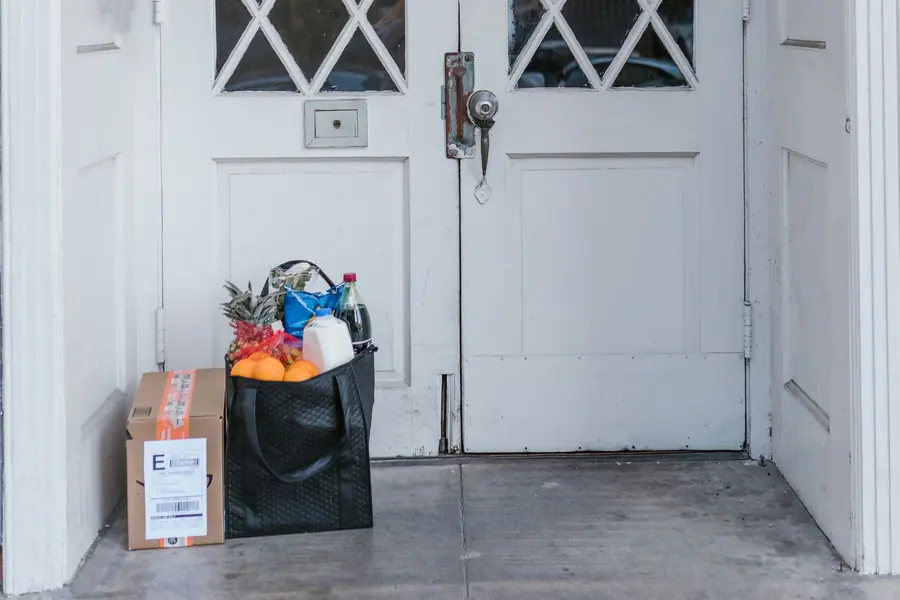
Shared and ghost kitchens. Some delivery-only brands operate out of a kitchen shared with other brands, which can mean several menus and one set of equipment. The listing will not usually tell you, and it is a fair thing to ask about.
Ordering direct is often better for both sides. You can ask a question, note a request such as sauce on the side, and the restaurant keeps more of what you spend. We would say that in any case, but it happens also to be the version where you can get an answer — and if the food has to travel, our guide to what survives the drive is worth two minutes first.

Where we sit
We take orders through our own online ordering as well as the usual platforms. Our menu states that all our items are made with halal ingredients, we serve no alcohol and there is no pork on the premises — and none of that is something a filter tag can convey, which is rather the point of this article.
If a listing anywhere leaves you unsure, ask the restaurant. It is a two-minute conversation that a tag cannot substitute for. That applies to us as much as to anyone else. Our guide to why most halal restaurants are not certified covers what you are likely to hear back and why.
Frequently asked questions
Is the halal filter on Uber Eats or DoorDash reliable?
It is a useful shortlist tool rather than a verification. Platforms let restaurants categorise themselves under dietary and cuisine tags, and those tags determine what appears under a filter, so the halal tag carries the same weight as the restaurant saying it is halal.
Does a delivery app check whether a restaurant is halal?
There is no verification step described in how these tags work — the guidance given to restaurants is about discoverability, not substantiation. Treat the tag as a claim by the restaurant rather than as a finding by the platform.
How do I check a restaurant is halal before ordering delivery?
Clear the filter and read the full menu, since pork and alcohol are fast disqualifiers and are visible. Then check the restaurant’s own website, and call or message once about the meat supplier. One conversation settles a place you expect to reorder from.
What is a ghost kitchen and does it matter?
A delivery-only operation, sometimes running several brands out of one shared kitchen with one set of equipment. A listing will not usually tell you, and it is a reasonable thing to ask about if shared equipment matters to you.
Is it better to order direct or through an app?
Direct lets you ask questions and note requests such as sauce on the side, and the restaurant keeps more of what you spend. Once you have verified a kitchen, though, the app is simply a delivery mechanism and either is fine.
Filter to shortlist, then verify off-app. The tag was never designed to be the last step.
Order direct and tell us what you need.