People search this, in numbers, and the instinct is to smile at it. Lettuce is a leaf. Of course it is halal.
The instinct is wrong, and the question is considerably smarter than it looks. Nobody asking it thinks the plant is the problem.
The short answer
Yes. All fresh vegetables are halal, lettuce included, and nothing about growing or picking one raises a question. What people are actually asking about is the knife, the board and the dressing — which makes the real question “is this salad halal in this kitchen”, and that is a much better question.
The plant is settled
Vegetables, fruit, grains and pulses are permitted without qualification. There is no slaughter to consider, no animal origin to establish, and no scholarly disagreement to map. Lettuce is about as uncomplicated as food gets, and if the question were really about lettuce it would not be asked.
So the interesting thing is not the answer. It is working out what the person typing it is worried about, because they are worried about something real.
Reason one: the knife and the board
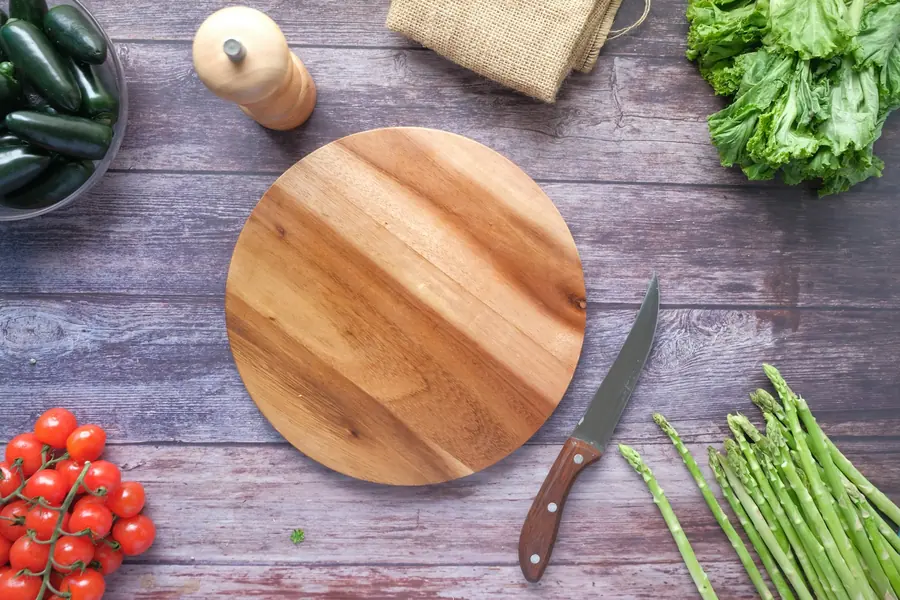
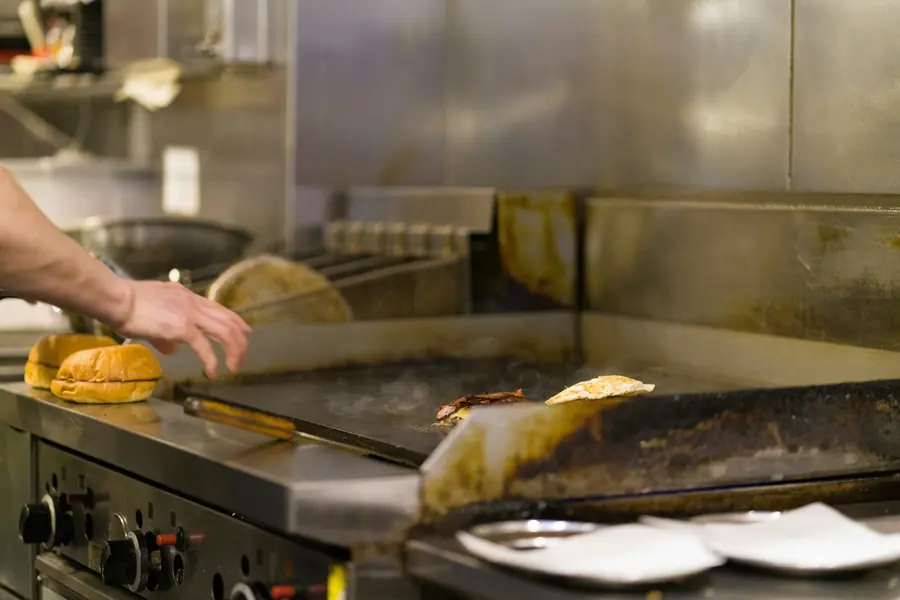
This is the big one. A salad prepared with the knife that just portioned pork, on the board that pork sat on, is a different proposition from the same salad prepared with clean equipment — and nothing about the leaves themselves will tell you which happened.
The American Halal Foundation describes cross-contamination as “the transfer of forbidden substances (like pork derivatives, alcohol, or any materials from forbidden sources) to halal products, ingredients, or equipment”, and is specific about the mundane vectors: “Tools, gloves, and utensils used on non-halal items can carry contaminants.”
That is written about production facilities, but it describes a restaurant kitchen exactly. It is also why the fryer question comes up so often in this cuisine — our guide to allergens on a Mediterranean menu covers shared oil, which is the same problem in a different medium.
Reason two: the dressing
A salad is rarely only leaves. The additions are where the actual ingredients live, and several of them are exactly the sort of thing that turns a simple dish into a question.
- Creamy dressings, which can carry animal-derived emulsifiers or flavourings.
- Wine vinegar and wine-based dressings, which raise the alcohol question rather than the animal one.
- Anchovy, in a classic Caesar, which is not a halal problem for most people but is very much not a vegetarian one — worth knowing which question you are answering.
- Bacon pieces and croutons, the first obvious and the second not: bread carries its own additives, covered in our guide to whether bread is halal.
- Cheese, and therefore rennet — see our guide to cheese.
Reason three: it stopped being a plant somewhere
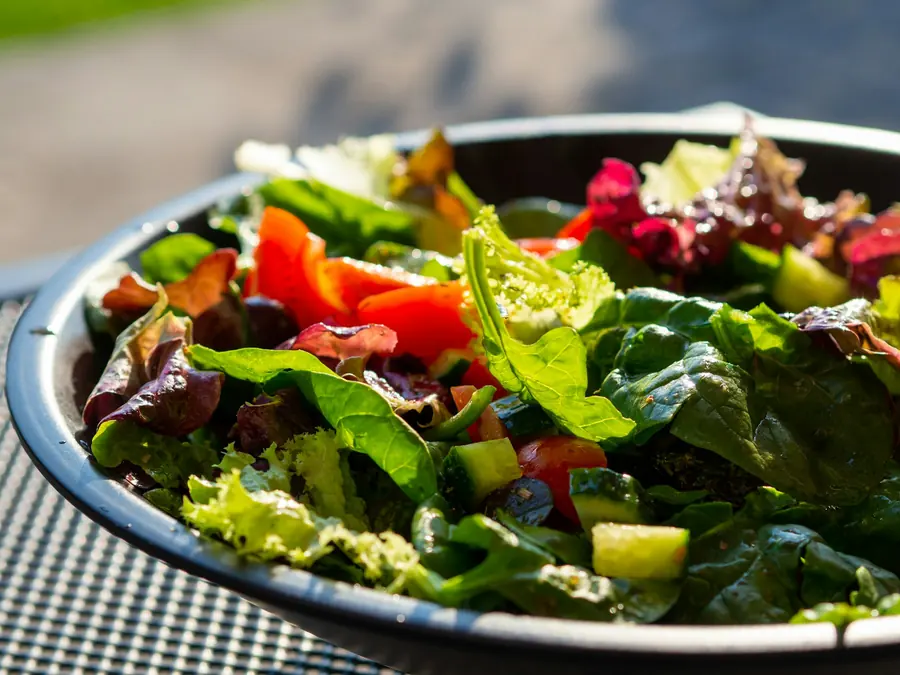
Fresh lettuce is fresh lettuce. Bagged salad, pre-cut vegetables and anything canned or dressed have been through a facility, and the further from the field a vegetable travels the more opportunities it has to acquire something.
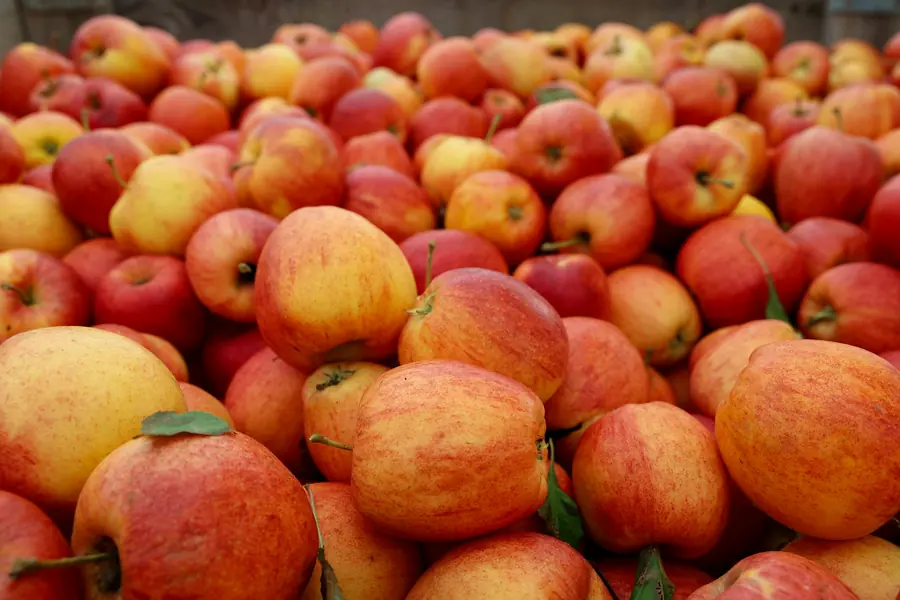
Produce is also sometimes given an edible coating to slow moisture loss and keep it looking well — the shine on apples and citrus is the visible case. What those coatings are made from is not generally stated on loose produce, which puts them in exactly the category our guide to the ingredients a US label will not explain is about.
This is the doubtful category in miniature
Everything above is one idea wearing three costumes. The lettuce is fine; what is unknown is what happened to it. That state has a name — mashbooh, meaning doubtful — and it describes the information available to you rather than the food in front of you.
Which is why the lettuce question is a good one to have thought about. If you can see why a leaf might need asking about, you have understood the whole subject, and nothing further on this site will surprise you.
The question behind the question
| The question asked | What it is really about | Where the answer is |
|---|---|---|
| Is lettuce halal? | Was it prepared with clean equipment? | The kitchen — ask |
| Is this salad halal? | What is in the dressing and the toppings? | The menu, then the kitchen |
| Is bagged salad halal? | The dressing sachet, and any coating or processing aid | The label, then the manufacturer |
| Are vegetables halal? | Nothing — they are | Settled, no need to ask |
The same question, in other plain foods
Once you see the pattern it turns up everywhere, and the other cases are worth knowing because they are less obvious than a salad.
- Rice. Seasoned rice is sometimes cooked in stock, which may be chicken and may not be halal. This is the most commonly missed one in this cuisine, and it is invisible.
- Fries and other fried items. Plant food, shared oil — our guide to whether fries are halal works through what a fryer carries.
- Bread. Flour, water, yeast and salt, plus additives whose origin the label does not state.
- Vegetables cooked in butter or ghee, which is a dairy question rather than a halal one for most people, but changes the answer for a vegan diner.
In every case the ingredient is fine and the preparation is the open question. That is the whole lesson, and lettuce is simply the clearest possible example of it because nobody can suspect the leaf.
The salad on our plates
Every meat plate we serve comes with salad, and the salads are on the menu in their own right. There is no pork on our premises, so the single most common cross-contact scenario — the one that prompts the question in the first place — does not arise here.
That is a statement about what we do not stock rather than an allergen or cross-contact assurance, which is a distinction we hold to throughout. If you have a specific question about how something is prepared, ask us — and our guide to Mediterranean salads covers what is in each of them.
Frequently asked questions
Is lettuce halal?
Yes. All fresh vegetables are halal without qualification, and lettuce raises no question as a plant. People ask because of what happens to it in a kitchen — the knife, the board, and what goes on top of it.
Are all vegetables halal?
Fresh vegetables, fruit, grains and pulses are permitted without qualification. There is no slaughter to consider and no animal origin to establish. Questions arise only once they are prepared, dressed or processed.
Can a salad be non-halal?
The leaves cannot, but the dish can. Creamy dressings may carry animal-derived emulsifiers or flavourings, wine vinegar raises the alcohol question, cheese brings rennet with it, and equipment shared with pork transfers what was on it.
What should I ask about a salad at a restaurant?
What is in the dressing, whether anything is added that is not listed such as cheese or bacon pieces, and whether preparation surfaces and knives are shared with non-halal items. Those three cover almost every case.
Is bagged or pre-cut salad halal?
The vegetables are, but bagged salad has been through a facility and often arrives with a dressing sachet, so the questions move to the label. Produce is also sometimes given an edible coating whose composition is not usually stated on loose items.
Nobody who asks whether lettuce is halal is confused about lettuce. They are asking about the kitchen, and they are right to.
Salad with every plate, in a kitchen with no pork on the premises.