
You look up whether a familiar product is halal and get three answers. One forum says yes, a certifier’s directory says it is certified, and someone in the replies insists it definitely is not.
Often all three are right, because they are talking about different countries. Here is why the same brand name can genuinely have different answers in different places.
The short answer
Three reasons, and they compound. The product is often formulated differently for different markets; certifiers apply different standards, particularly on stunning and mechanical slaughter; and labelling rules differ, so the same information is available in one country and not another.
Same name, different recipe
This is the one people find hardest to believe. A multinational food brand is not a single recipe made in one place. Products are manufactured regionally, often under licence, and the formulation is adjusted to local supply, local cost and local regulation.
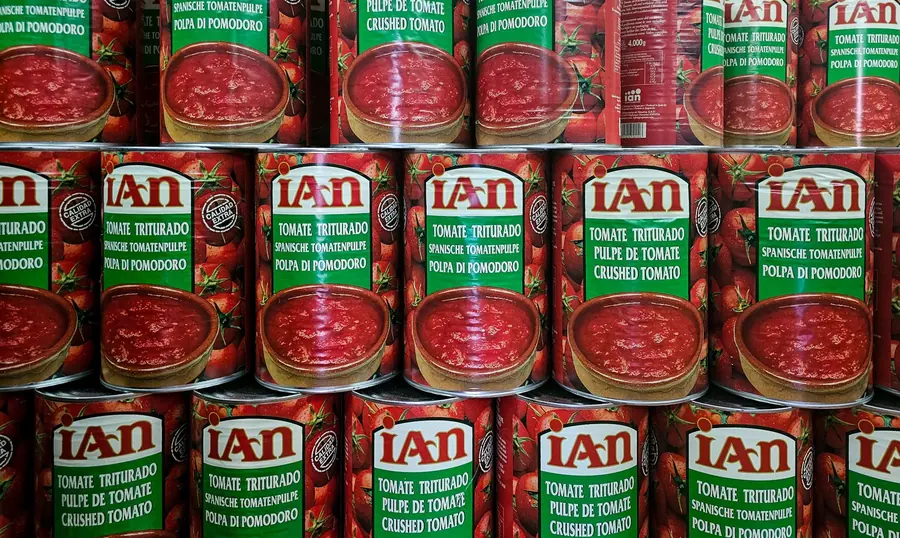
The ingredients most likely to vary are exactly the ones that matter here: emulsifiers, gelling agents, colourings and flavourings. A confection using beef gelatin in one market may use porcine gelatin or a pectin system in another, and the packaging will look near enough identical.
So an answer about a product is really an answer about a product made in a particular place at a particular time. It does not travel with the brand name, and neither does it stay true forever.
Certifiers do not share a single standard
There is no world halal authority. Certification is carried out by independent bodies, some private and some arms of national governments, and they differ on points that change outcomes.
The two largest divergences are the ones set out in our guide to halal and zabiha: whether a reversible stun is acceptable before slaughter, and how mechanical slaughter of poultry is treated. A supplier approved under one standard can fail another without anything about the meat changing.
National certifiers also publish their own guidance to shoppers, and it is worth reading the one that covers where you live. The Halal Monitoring Authority in Canada, for example, advises reading the label for source and then checking for certification, and tells consumers to phone the manufacturer where the label is unclear.
The labelling rules are different too
Even where the product is identical, what you can find out about it is not. European labels use E numbers, American labels use common names, and some jurisdictions require declarations that others do not.
The result is that the same formulation can be legible in one country and opaque in another. Our guide to the ingredients a US label will not explain covers the American side of that gap.
Government involvement varies as well. Some countries run state halal systems with a single official mark. The United States has no federal halal certification at all — the nearest thing is state law, and only some states have any, as our guide to halal certification sets out for Texas.
Why the answers conflict
| Reason | What varies | How to check |
|---|---|---|
| Formulation | Emulsifiers, gelatin, colourings, flavourings | Read the pack in front of you, not an answer about another market |
| Certification standard | Stunning, mechanical slaughter, facility requirements | Look at which body certified it, not just that a mark is present |
| Labelling rules | E numbers vs common names, declaration requirements | Expect less detail on a US label than a European one |
| Time | Reformulations, supplier changes, lapsed certificates | Check the certifier’s current directory rather than an old thread |
How the argument usually goes
The pattern is worth recognising because it repeats. Someone reports that a familiar product is certified where they live and posts a photograph of the mark. Someone else, several thousand miles away, checks the same product in their own shop, finds no mark and a different emulsifier, and concludes the first person is mistaken or careless.
Neither is wrong. They are holding two different products with the same name, assessed — or not assessed — by two different bodies under two different labelling regimes. The disagreement is real and unresolvable in the abstract, because the question was never abstract to begin with.
Which is why the only durable answer is the unglamorous one: check the pack in your hand, and prefer a certifier’s current listing to anybody’s recollection.
What this means when you travel
Mostly that the homework does not transfer. A product you have checked at home is a different question abroad, and the reverse is also true — something unavailable in a halal version where you live may be routinely certified somewhere else.
The reliable habits are the same ones as everywhere: read the pack you are actually holding, prefer a current certification over a remembered answer, and treat online verdicts as dated and located rather than universal.
The product you have relied on for years
Reformulation is the quiet version of this problem, and it catches careful people rather than careless ones. A product checked once, years ago, and trusted since, can change its emulsifier or its gelatin source without any visible signal — the packaging refresh that accompanies it usually looks like marketing.
The reverse happens too, and more happily: products that were once a problem get reformulated into certification, because the certified market is worth having. An answer you settled a decade ago may be wrong in either direction now.
There is no elegant fix for this beyond re-reading the pack occasionally, particularly after a redesign, and treating a certifier’s live directory as the current record rather than something consulted once.
And when you are eating out
None of the above is visible in a restaurant, where the question collapses back into a simpler one about the kitchen and its suppliers. How to tell whether a restaurant is really halal covers how to ask, and what makes a menu halal covers what to look for before you do.
The belief that halal certification is a single global standard is one of the more persistent myths about this subject. Our list of nine covers it alongside the others.
Frequently asked questions
Why is a product halal in one country but not another?
Three reasons that compound. Multinational brands are formulated regionally, so the emulsifiers, gelatin and flavourings can genuinely differ. Certifiers apply different standards, particularly on stunning and mechanical slaughter. And labelling rules differ, so the same formulation is legible in one market and opaque in another.
Is there a single worldwide halal authority?
No. Certification is carried out by independent bodies, some private and some run by national governments, each with its own standard and its own mark. There is no global regulator and no universal symbol.
Can I rely on an online answer about whether a product is halal?
Only if it names the country and is recent. An answer describes a formulation made in a particular market at a particular time, and recipes, suppliers and certificates all change. The certifier’s current directory is more reliable than an old thread.
Does the US government certify halal food?
No. There is no federal halal certification in the United States. Certification is done by third-party bodies, and the only government involvement is at state level, where a few states including Texas regulate how the claim may be made.
Does a halal certificate from another country count here?
It tells you a body assessed the product against its own standard, which may or may not match the one you hold. Since certifiers differ on stunning and mechanical slaughter, the certifier’s identity matters more than the country it operates in.
The useful reframing: there is no such thing as a product being halal in general. There is a formulation, made somewhere, assessed by somebody, at a particular time.
One kitchen, one standard, stated plainly.