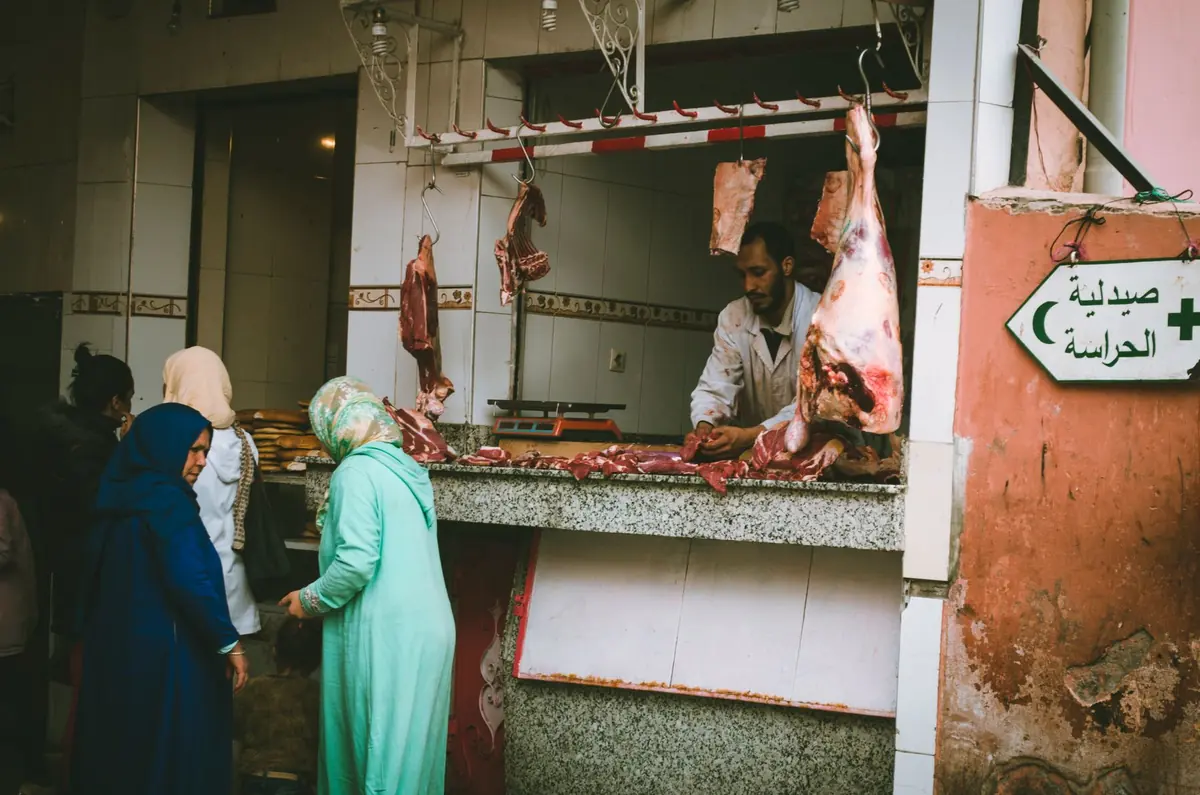
Two signs on two shops, one saying halal and the other saying zabiha halal. It is reasonable to assume the second is claiming something more than the first, and sometimes it is — but not in the way most people assume.
Here is what each word actually means, where the two genuinely come apart, and what to ask if the distinction matters to you.
The short answer
Halal means permissible, and covers all food and drink. Zabiha — also written dhabiha — is the prescribed method of slaughter, so it applies to meat and poultry only. For meat, most certifiers treat zabiha as a requirement of halal rather than an upgrade to it. Where the two labels actually diverge in practice is over machine slaughter and stunning.
One is a category, the other is a method
Halal is the broad term. It describes anything permissible under Islamic law, which is why it applies to a bag of flour and a bottle of juice as readily as to a leg of lamb. Most food is halal without anyone having to do anything to it. Our overview of what halal food actually covers sets out the general rules.
Zabiha is narrower and more specific: it is the act of slaughter, performed to a prescribed method. It has no meaning applied to bread or to olive oil, because nothing was slaughtered.
So the two words are not competing grades of the same thing. One names a category and the other names a procedure — rather like the difference between calling a dish vegetarian and describing how it was cooked.
Then why do both appear on signs?
Because in the meat trade the words have picked up a marketing distinction that the underlying terms do not carry. A business writing zabiha halal is usually signalling hand slaughter with the name of God pronounced over each animal, as distinct from large-scale mechanical slaughter.
Certifiers do not all agree that this is a distinction worth drawing. HMS, a US certifier, states the position bluntly: “There is NO DIFFERENCE between HALAL and ZABIHA HALAL. Zabiha is required to consider meat Halal.” On that view the phrase is a tautology rather than an upgrade — meat that is not zabiha was never halal to begin with.
Others use the longer phrase precisely because they do not think the shorter one is reliably being held to that standard in the market. Both readings are circulating, on signage, at the same time.
The two questions the labels are really arguing about
Strip away the wording and there are two live disagreements underneath, and they are the reason the same meat can be called halal by one authority and not by another.
- Mechanical slaughter. High-volume poultry plants use rotating blades rather than an individual cut by hand. Whether that satisfies the requirement — and whether a recording or a single invocation can stand for each bird — is disputed.
- Stunning. Some certifiers accept a reversible stun that leaves the animal alive at the point of the cut; others reject stunning entirely. This is the single largest source of divergence between certification standards internationally.
We are not going to tell you which position to hold. This is the same line we drew over shellfish and over the differences between halal and kosher: setting out where informed people disagree is useful, and choosing between them is a matter for your own scholarship, not for a restaurant.
US law recognises the method by name
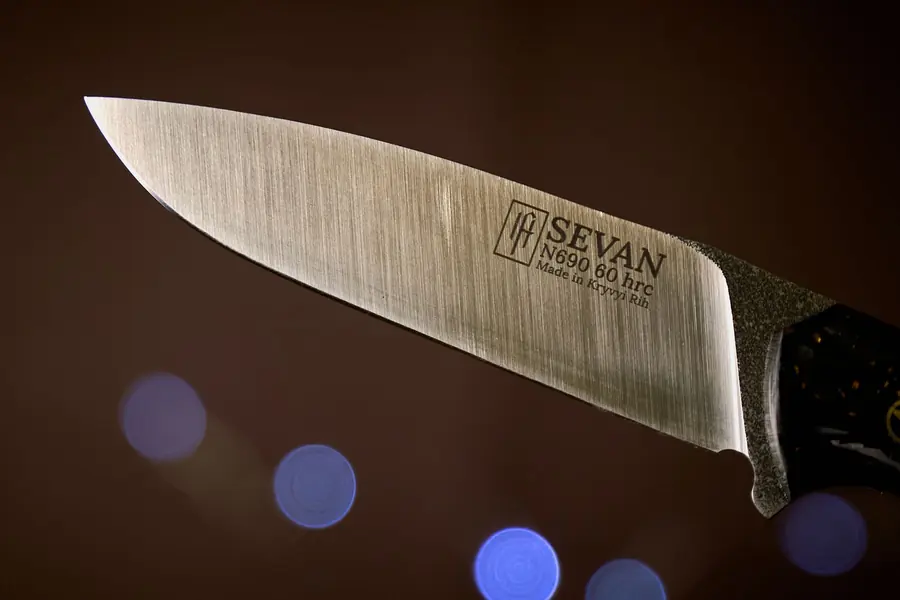
One thing that is not disputed is that ritual slaughter is lawful and expressly provided for in federal law. The Humane Methods of Slaughter Act, at 7 U.S.C. § 1902, sets out two methods that count as humane. The second is “slaughtering in accordance with the ritual requirements of the Jewish faith or any other religious faith that prescribes a method of slaughter whereby the animal suffers loss of consciousness by anemia of the brain caused by the simultaneous and instantaneous severance of the carotid arteries with a sharp instrument”.
That is a description of the method rather than an endorsement of any certifier’s standard, and it says nothing about stunning or about who performs the cut. But it is worth knowing that the practice is named in statute rather than merely tolerated.
Side by side
| Halal | Zabiha (dhabiha) | |
|---|---|---|
| What the word means | Permissible under Islamic law | The prescribed method of slaughter |
| What it applies to | All food and drink | Meat and poultry only |
| What it covers | Ingredients, sourcing and preparation | The act of slaughter itself |
| On a shop sign | A broad claim about the food | A claim about how the meat was killed |
| Where disputes arise | Ingredients and cross-contact | Machine slaughter and stunning |
What the method itself involves
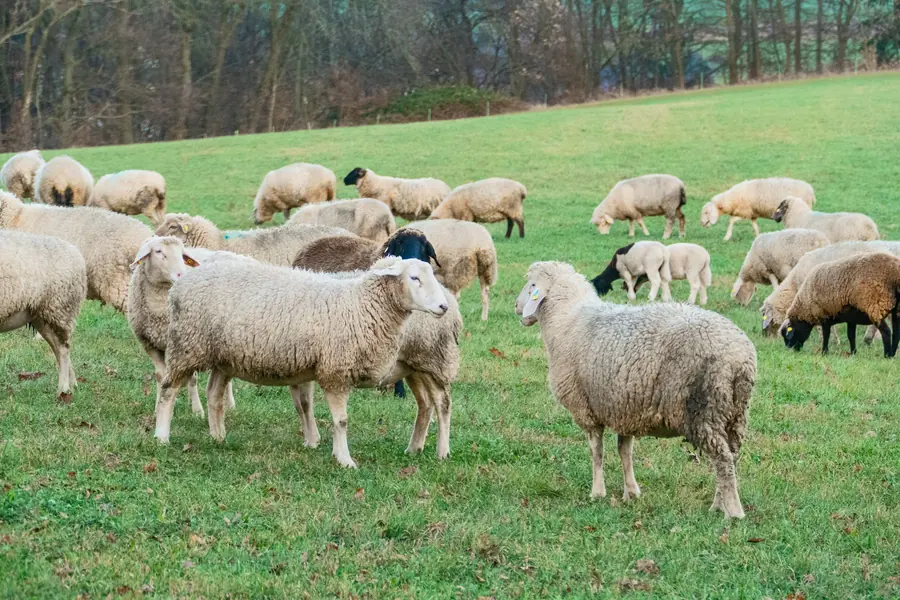
Setting aside the disputes, the requirements the term describes are consistent across the standards that use it. The blade must be sharp enough to cut cleanly in a single stroke. The cut severs the major vessels of the throat. The animal must be alive at that moment. The name of God is pronounced. The blood is allowed to drain.
Two details are worth drawing out because they are where the practical disagreements attach. The requirement that the animal be alive at the cut is why stunning is contested at all — a stun that kills is disqualifying, while a stun that merely renders the animal insensible is the case some certifiers accept and others do not. And the requirement to pronounce the name over the animal is what makes high-throughput mechanical lines hard to reconcile.
What neither word covers
Both terms are about meat, and a meal is not only meat. Neither tells you anything about whether alcohol was used in a sauce, whether an ingredient carries an animal-derived additive, or whether halal and non-halal items share equipment in a kitchen that serves both.
Those are separate questions with separate answers, and they are the ones that most often decide whether a meal is acceptable in practice. What makes a menu halal goes through them, and our guide to gelatin covers the additive that catches people out most often.
What to ask, if it matters to you
If you hold a particular standard, the useful questions are not about which of the two words is on the sign. They are about what sits behind it.
- Which certifier the meat supplier uses, if any.
- Whether the poultry is hand-slaughtered or mechanically slaughtered.
- Whether the certifier’s standard permits stunning.
Those three answers tell you far more than the wording does, and any supplier that has thought about it will know them. Our guide to telling whether a restaurant is really halal covers how to raise this without it becoming awkward.

Where we stand
Everything on our menu is made with halal ingredients, and that is the claim we make. If you hold a specific standard on machine slaughter or on stunning and need to know what our suppliers do, ask us and we will tell you what we know rather than reaching for whichever phrase sounds most reassuring.
None of that is checked by a government inspector, which surprises people given that one is standing in the plant — our guide to whether halal meat is USDA inspected sets out which questions federal inspection answers and which it leaves to certifiers.
Frequently asked questions
What is the difference between halal and zabiha halal?
Halal means permissible and covers all food and drink. Zabiha, also written dhabiha, is the prescribed method of slaughter and applies only to meat and poultry. Most certifiers treat zabiha as a requirement for meat to be halal rather than as a higher grade above it.
Is zabiha halal stricter than halal?
Not as a matter of definition. In the meat trade the longer phrase is often used to signal hand slaughter as opposed to mechanical slaughter, so it can carry a practical meaning, but certifiers disagree about whether that distinction should exist at all. One US certifier states plainly that there is no difference between the two.
What does zabiha actually involve?
A cut to the throat with a sharp blade that severs the major vessels, with the name of God pronounced. Federal law describes the same method in the Humane Methods of Slaughter Act, which names ritual slaughter causing loss of consciousness through severance of the carotid arteries as a humane method.
Is machine-slaughtered chicken halal?
That is one of the two genuine disagreements between certification standards, along with stunning. Some authorities accept mechanical slaughter under conditions and others do not. Which view applies to you is a question for your own scholarship rather than for a restaurant blog.
What should I ask a restaurant about its meat?
Which certifier the supplier uses, whether poultry is hand-slaughtered or mechanically slaughtered, and whether that certifier permits stunning. Those three answers tell you considerably more than whether the sign says halal or zabiha halal.
The short version: zabiha names the method, halal names the category, and on a meat sign the interesting question is not which word was used but which standard sits behind it.
Rice plates, wraps and salads, all made with halal ingredients.