
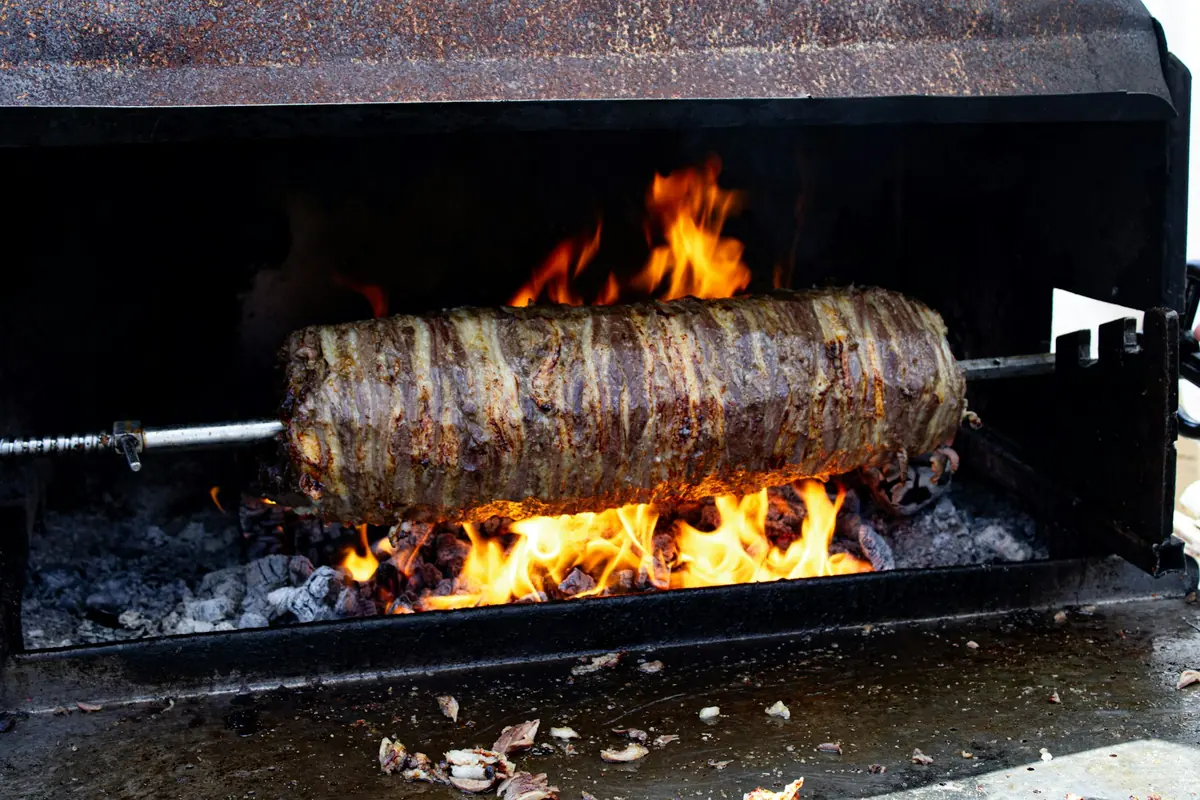
Two cones of meat turning on vertical rotisseries, both carved into flatbread, both piled with salad and sauce. From across a counter, gyro and shawarma look like the same sandwich with different accents.
They are genuinely different dishes, though, and the differences show up in the meat, the spicing and the sauce.
The short answer
Gyro is Greek and shawarma is Middle Eastern. Gyro is usually made from seasoned ground meat pressed into a cone, spiced with oregano and other Mediterranean herbs, and served with tzatziki. Shawarma is made from whole cuts of marinated meat stacked on the spit, spiced with warm spices like cumin and turmeric, and served with garlic or tahini sauce.
Where each one comes from
Both descend from the Turkish döner kebab, the original vertical-rotisserie dish. Greek cooks adapted it into the gyro; cooks across the Levant and the wider Middle East adapted it into shawarma. Britannica’s entry on döner kebab and its descendants traces how the method spread.

The meat is the real difference
Gyro is typically built from ground meat — often a beef and lamb blend — seasoned, pressed into a solid cone and roasted. Because the meat is ground, the texture is even and the slices come off in thin, uniform ribbons.
Shawarma is built from whole cuts. Marinated slices of chicken, beef or lamb are layered onto the spit by hand, so the cone is slightly irregular and the carved meat has more variation — some crisp edges, some tender interior.
Spicing
Gyro leans on herbs you would recognise from Greek cooking: oregano, thyme, rosemary, garlic. Shawarma leans warm and aromatic — cumin, coriander, turmeric, cinnamon, cardamom — usually with a long marinade before the meat ever reaches the spit.
Sauce and toppings
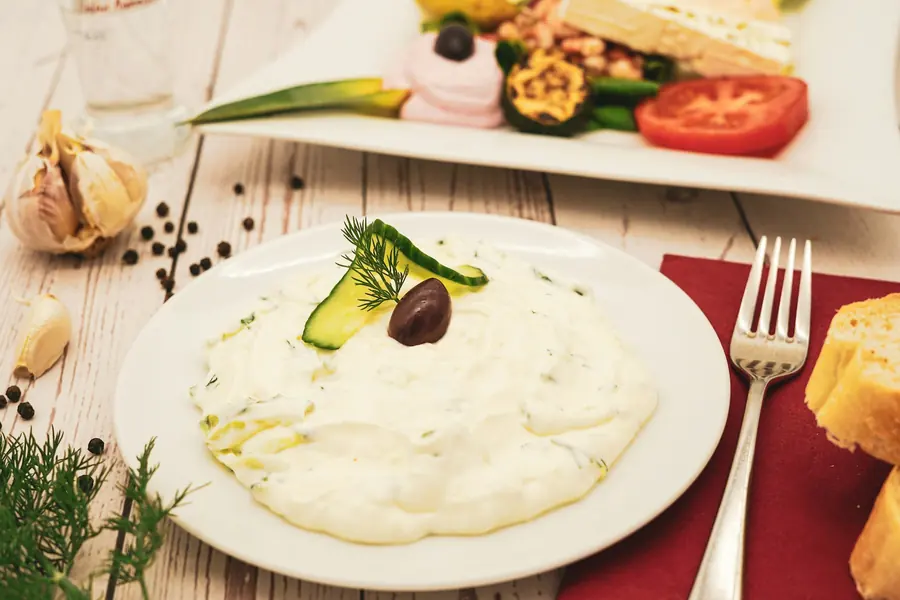
This is the giveaway on the plate. Gyro comes with tzatziki, the thick yogurt, cucumber and garlic sauce. Shawarma typically arrives with garlic sauce, tahini or a chilli sauce, and often pickled vegetables rather than fresh cucumber and tomato alone.
Gyro vs shawarma at a glance
| Gyro | Shawarma | |
|---|---|---|
| Origin | Greece | Middle East and the Levant |
| Meat form | Seasoned ground meat pressed into a cone | Whole marinated cuts stacked by hand |
| Typical meat | Beef and lamb blend (pork in Greece) | Chicken, beef or lamb |
| Spicing | Oregano, thyme, rosemary, garlic | Cumin, coriander, turmeric, cinnamon |
| Classic sauce | Tzatziki (yogurt and cucumber) | Garlic sauce or tahini |
| Texture | Even and uniform slices | Varied — crisp edges, tender centre |
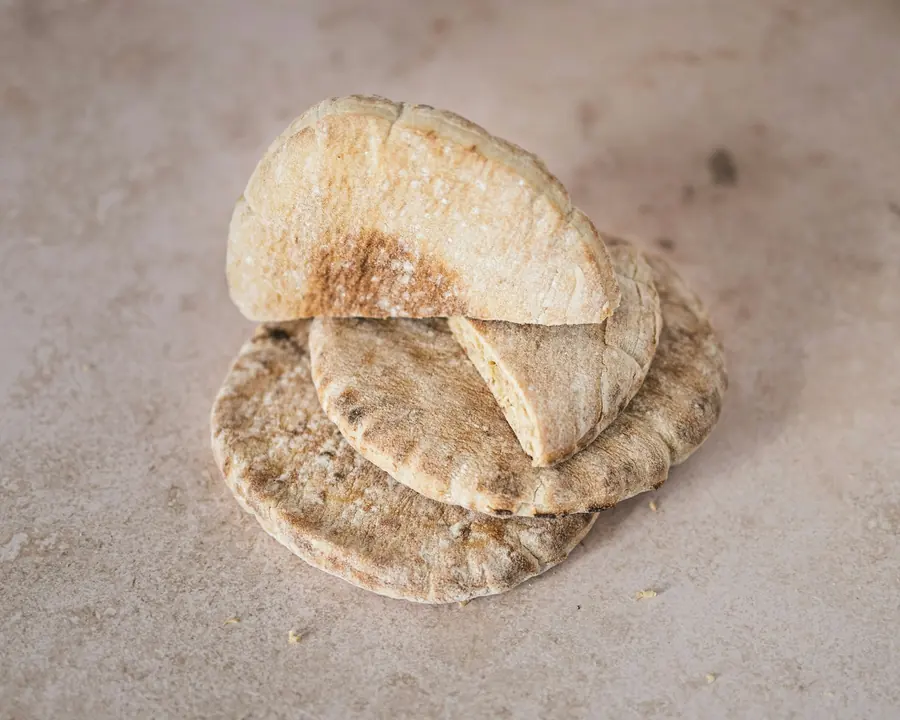
| Usually served in | Thick round pita | Thinner flatbread or wrap |
Both are also sold in more than one format, and the format changes the meal more than people expect. Our guide to choosing between a plate, a wrap and a bowl covers what actually differs between them, including which one survives a journey home.
How each one is actually served
The comparison usually stops at the meat, but the format matters just as much to how the meal eats. Both dishes turn up three ways on most menus.
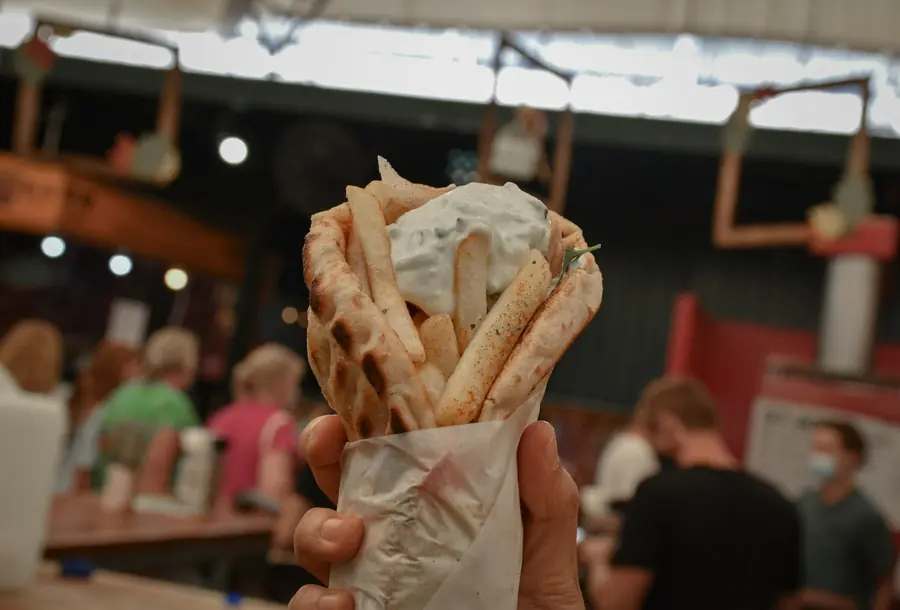
- In bread. Gyro goes into a thick, soft pita that folds around the filling. Shawarma tends to go into a thinner flatbread rolled tightly, which is why shawarma wraps hold together better as street food.
- Over rice. A plate of seasoned rice topped with the carved meat, salad and sauce. This is the version that eats like a full meal rather than a sandwich, and it is how a lot of people order both dishes in the US.
- As a platter. The meat served alongside dips, salad and bread so a table can share — the closest thing to how either dish is eaten at home.
If you are choosing between them for a first visit, the over-rice version is the more forgiving order: you get the meat, the sauce and the sides separately rather than compressed into one bite, so it is easier to work out what you actually like.
The halal question most comparisons skip
Almost every gyro-versus-shawarma explainer leaves out the point that matters most to a lot of readers: in Greece, gyro is traditionally made with pork. That single fact changes the answer for anyone eating halal.
Outside Greece the picture is different. Plenty of restaurants build gyro from beef and lamb, which is why you can find halal gyro at all. Shawarma, by contrast, is rooted in cuisines where pork was never part of the dish, so it starts from a different place — though the meat still has to be sourced halal. We go through this in more detail in our guide to whether Mediterranean food is halal.
Both also sit inside a much larger family of grilled meat dishes. If kebab and kofta appear on the same menu and you are unsure how they relate, our comparison of shawarma, kebab and kofta untangles the three.
The bread matters too. Both dishes are usually served in pita rather than the enriched breads used elsewhere — our guide to pita, naan and flatbread explains why the pocket exists and what else you might be handed.
Reading a menu when the names are used loosely
Plenty of American menus use these words interchangeably, and some use “gyro” simply to mean carved meat in a pita regardless of how it was made. A few things tell you more than the dish name does.
- Look at the sauce. Tzatziki almost always signals the Greek side of the family; garlic sauce or tahini signals the Middle Eastern side.
- Look at what the meat is called. A menu that specifies chicken, beef or lamb is telling you it uses whole cuts. “Gyro meat” with no animal named usually means the pressed cone.
- Look at the pickles. Pickled turnip, cabbage or cucumber alongside the meat is a strong shawarma tell.
None of this is a rule, and a good kitchen will happily tell you exactly what it serves. But it helps when you are ordering quickly at a counter.
The other half of that decision is the meat itself rather than the format. Our guide to choosing between chicken, beef and lamb covers what actually changes between them, including why lamb tastes so different from the other two.
Which should you order?
If you want something herby, tangy and cooling, gyro with tzatziki is the one. If you want warm spice and a deeper marinade, go for shawarma. Neither is the more authentic choice — they are two national answers to the same good idea.
If neither name means much to you yet, our guide to ordering at a Mediterranean restaurant explains how plates, wraps and sauces fit together on a typical menu.
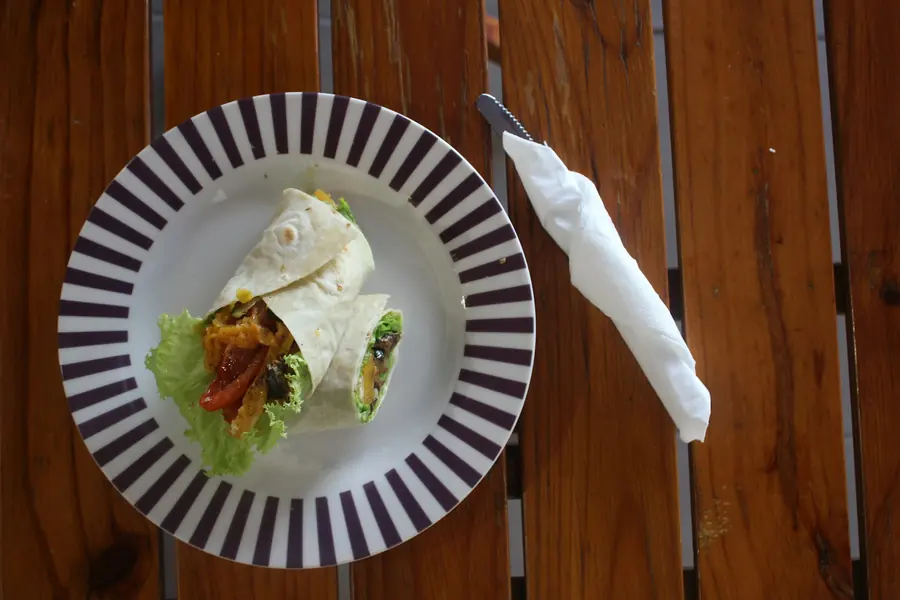
At Halal Basket you can have either. Our gyro comes over rice with hummus, salad and tzatziki sauce, or as a loaded gyro wrap with lettuce, tomato and onion. The chicken shawarma is served with lettuce, tomato, onion and garlic sauce. Everything on our menu is made with halal ingredients, so the sourcing question is already settled — the full list of wraps and plates is here.
Whichever you order, the meat itself is not a different animal because it is halal — our guide to what halal actually changes about chicken sets out what the standard specifies and what it leaves alone.
Frequently asked questions
Is gyro the same as shawarma?
No. Both are cooked on a vertical rotisserie, but gyro is Greek and usually made from seasoned ground meat served with tzatziki, while shawarma is Middle Eastern and made from whole marinated cuts served with garlic sauce or tahini.
Is gyro meat pork?
In Greece it traditionally is. Outside Greece, gyro is commonly made from a blend of beef and lamb instead, which is why halal gyro exists. Always ask the kitchen what the meat is.
Which is spicier, gyro or shawarma?
Shawarma usually carries more warm spice from its marinade, with cumin, coriander and turmeric. Gyro is herb-forward rather than spicy, leaning on oregano and garlic.
What is doner kebab compared to these two?
Doner kebab is the Turkish original that both dishes descend from. Gyro is the Greek adaptation and shawarma is the Middle Eastern one, so all three share the same vertical-rotisserie method.
Gyro and shawarma share a cooking method and very little else. The meat is prepared differently, the spice cabinets are different, and the sauces pull in opposite directions — cool and herby against warm and garlicky.
Try them side by side. Both are on the menu, and both are made with halal ingredients.