You have found a restaurant that says halal, and there is no certificate on the wall. It is a reasonable thing to notice, and the conclusion most people draw from it is the wrong one.
The short answer
Most halal restaurants are not certified, and it usually means the restaurant is small rather than that something is wrong. Certification is a recurring annual audit of every ingredient and every supplier, designed for manufacturers — and a restaurant menu is a moving target in a way a production line is not. The certification you are looking for usually lives further up the chain, with the supplier.
What certification actually involves
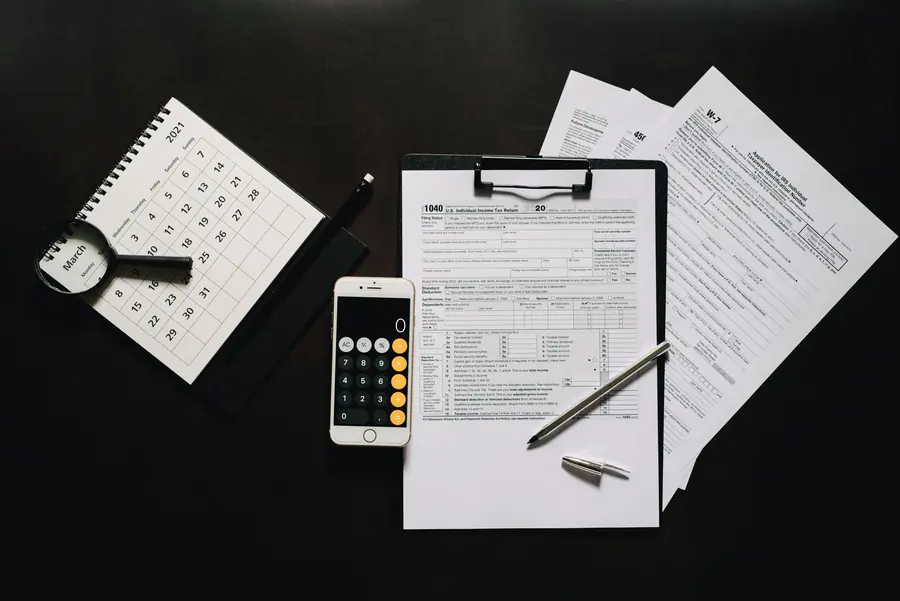
It is more than a one-off inspection. A US certifier describes the scope as “every ingredient, additive, processing aid, and contact surface evaluated for halal status”, together with an “assessment of shared equipment, production lines, and storage areas for haram contamination risk” and a “review of key suppliers and raw material sources to support traceability requirements”.
And it recurs. Certificates run for a year, and the same source is explicit that “ongoing surveillance audits don’t stop after your initial certificate is issued — they’re part of maintaining it”, with visits ranging from quarterly to annual depending on risk category. Meat and poultry sit in the highest category.

Why that is hard for a restaurant specifically
The demands scale with things a restaurant has a lot of and a factory does not.
- Product count. Certification burden scales with the number of distinct products needing individual verification. A factory might make six things. A modest restaurant menu has forty, each with its own ingredient list.
- Substitution. When a supplier is out of something, a kitchen swaps it that afternoon. A certified production line cannot, and a certified kitchen would have to document it.
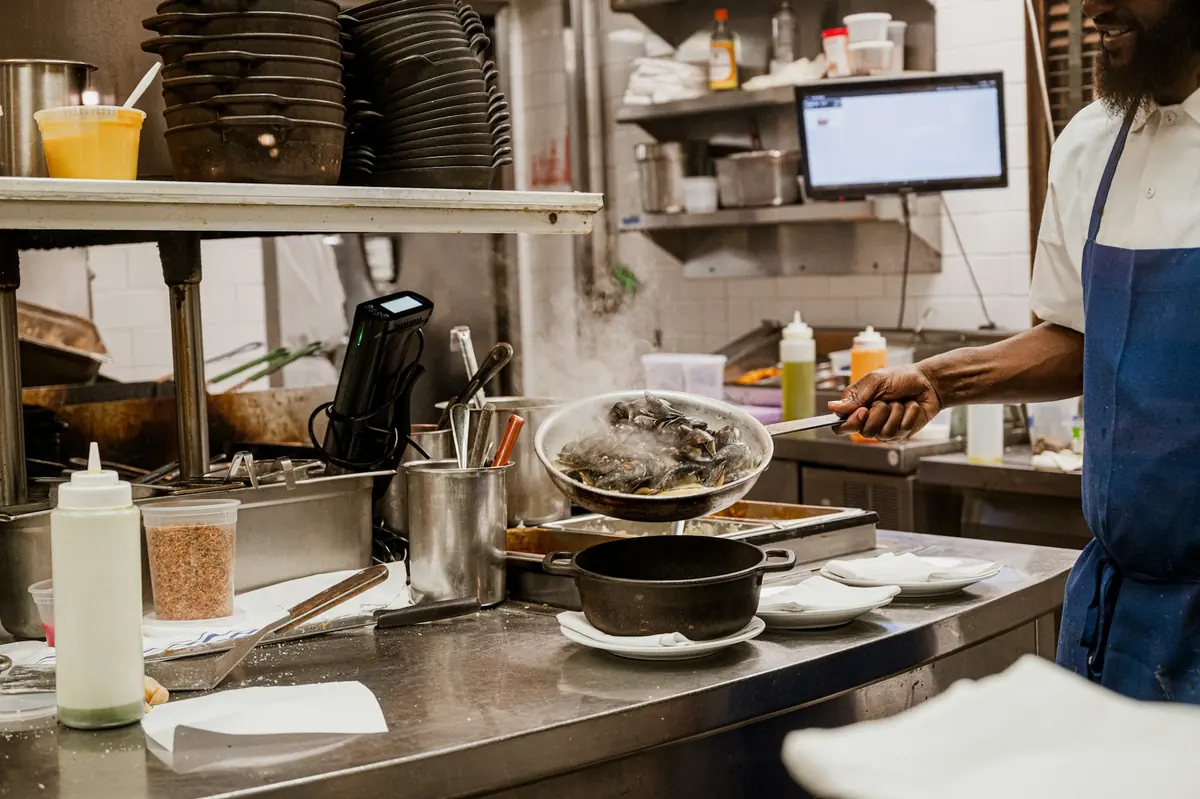
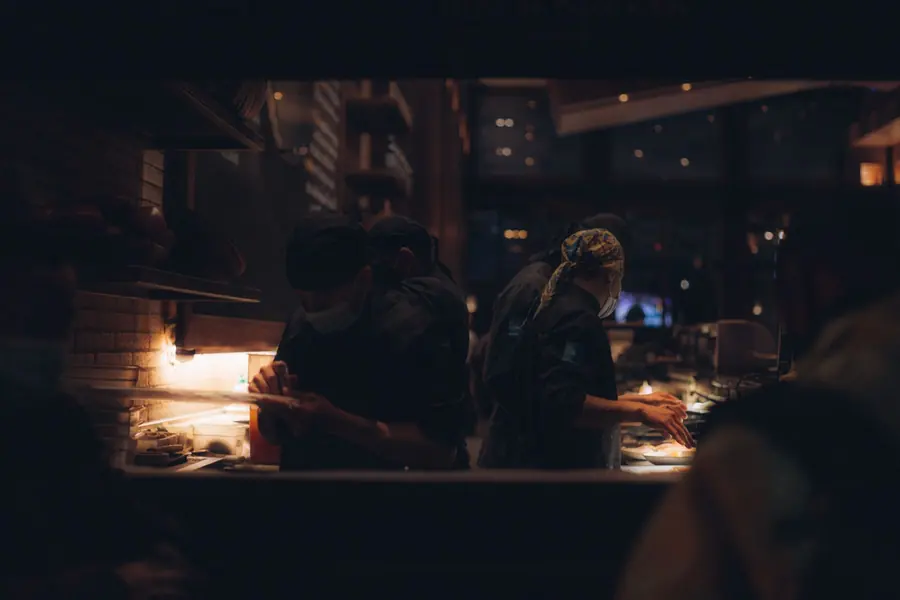
- A kitchen is not a line. Auditing a repeatable process is tractable; auditing a room where forty things are made to order by people moving around each other is a different exercise.
- It recurs. This is an annual cost against restaurant margins, not a one-off, and it buys a certificate rather than any change in the food.
None of which means certification is not worth having. It means the system was built for a different kind of business, and the small independents that make up most halal restaurants in America are the worst fit for it.
What restaurants do instead
The thing worth understanding, and the reason the absence of a certificate is weak evidence: most halal restaurants rely on certification held by their suppliers. The meat arrives already certified. The kitchen’s job is then to not undo that — no pork on the premises, no alcohol, no shared equipment problem.
That is a real and checkable arrangement, and it is where the audit trail actually is. It is also why the useful question to a restaurant is about its supplier rather than about its own paperwork, as our guide to telling whether a restaurant is really halal sets out.
What a certificate does and does not tell you
| What you see | What it establishes | What it does not |
|---|---|---|
| A certifier’s certificate, current | An audited kitchen, ingredients and supply chain | Which standard on stunning or machine slaughter was applied |
| A certificate, expired | That it was audited once | Anything about the present — check the certifier’s directory |
| No certificate, halal claimed | Nothing either way — the normal state for a small restaurant | That the meat is not certified upstream, which it usually is |
| No certificate, no claim | Nothing | Ask before assuming in either direction |
Where certification matters more
It is not that certificates are unimportant — it is that their value varies with the kind of business. They matter most where you cannot ask anyone: packaged goods on a shelf, large-scale caterers, institutional supply, and anything exported. Those are settings with no counter to lean on and no one to answer a question.
A restaurant is the opposite case. There is someone there, and they know their suppliers. Our guide to what halal certification actually certifies covers what the marks mean when you do find one, and what the different menu phrases mean covers the wording that appears instead.
The one case where an absent certificate does matter
Everything above applies to a kitchen that serves only halal food. The calculation changes when a restaurant serves both.
In a mixed kitchen the risk is not the sourcing, which is usually fine, but the handling: shared grills, shared fryers, shared utensils and the ordinary pressure of a busy service. That is precisely what a certification audit examines and what nobody else is examining. So an uncertified restaurant that also serves non-halal meat or alcohol is asking for a good deal more trust than an uncertified restaurant that serves neither.
Which is the practical reading of the whole ladder in our guide to what halal-friendly means: the phrase tells you which of those two situations you are in, and that matters more than the certificate does.
Our position, stated plainly
We are not certified. We do not use the word certified anywhere, because we have not bought that verification and are not going to imply it. What our menu says is that all our items are made with halal ingredients — a claim which, in Texas, is a regulated representation rather than marketing copy.
If you want to know more than that sentence contains — who supplies the meat, what happens in the kitchen — ask us. That is the transaction a restaurant can offer that a packet on a shelf cannot.
Frequently asked questions
Why are so few halal restaurants certified?
Because certification was designed for manufacturers. It is a recurring annual audit of every ingredient, supplier and contact surface, and the burden scales with the number of distinct products — which a restaurant menu has far more of than a production line, with substitutions happening daily.
Does an uncertified restaurant serve non-halal food?
Not usually, and the absence of a certificate is weak evidence either way. Most halal restaurants rely on certification held by their meat suppliers, so the audit trail exists further up the chain. Asking who supplies the meat is more informative than looking at the wall.
What should I ask instead of looking for a certificate?
Who supplies the meat and whether that supplier is certified; whether any pork or alcohol is on the premises; and whether equipment is shared with non-halal items if both are handled. Those three cover what a certificate would have told you.
How often is a halal certificate renewed?
Certificates typically run for a year and are maintained through ongoing surveillance audits, which can be as frequent as quarterly depending on the risk category of the product. Meat and poultry sit in the highest risk category.
Is Halal Basket certified?
No, and we do not use the word certified anywhere for that reason. Our menu states that all our items are made with halal ingredients, which in Texas is a regulated representation rather than marketing. Ask us about sourcing and we will tell you what we know.
An empty wall is not a red flag. An unwillingness to answer questions about the supplier is.
Ask us anything about our sourcing.