
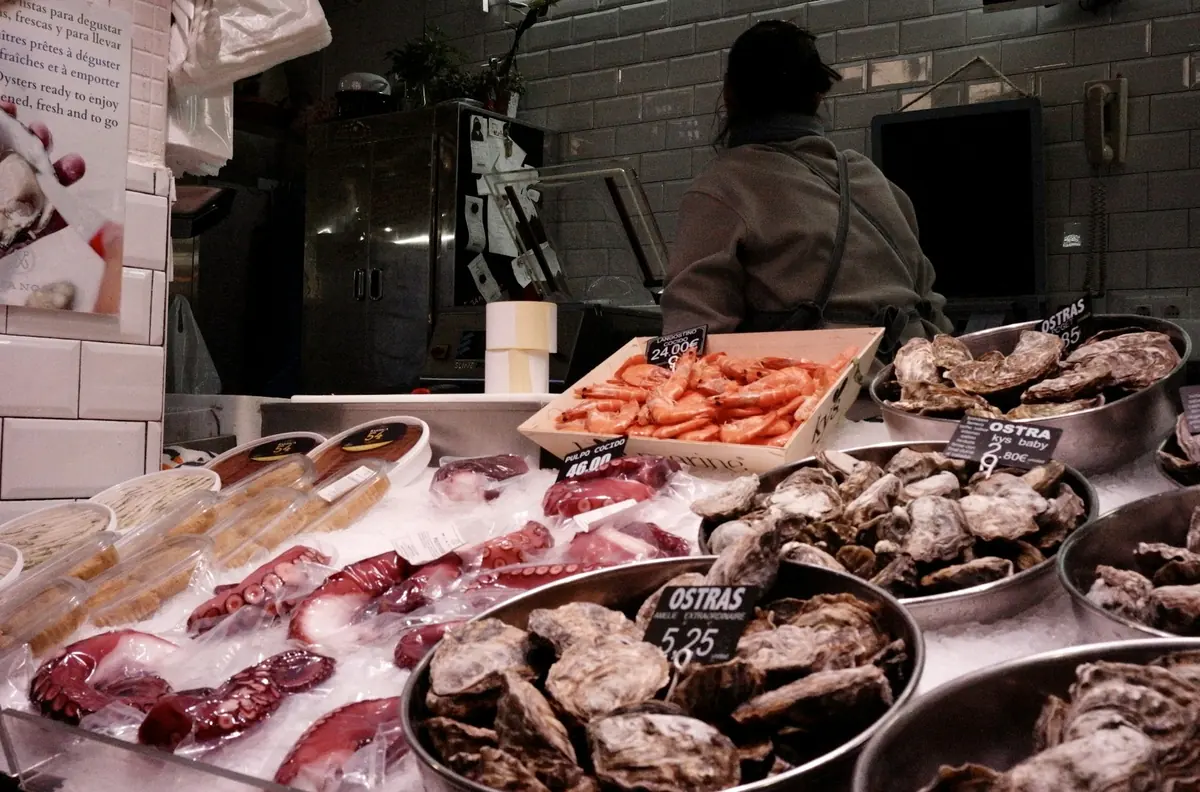
This is one of the most frequently asked questions about halal food and one of the few where the honest answer is that it depends on which school of thought you follow. Fish is straightforward. Shrimp, crab, squid and shellfish are where the disagreement lives.
Here is what the different positions actually are, why they differ, and what that means in practice when you are ordering.
The short answer
Fish is considered halal across all four major Sunni schools, and unlike meat it does not require ritual slaughter. Beyond fish — shrimp, crab, lobster, squid, shellfish — the schools diverge, with the Hanafi position the most restrictive. Which view applies to you is a question for your own scholarship, not for a restaurant.
Why we are not going to rule on this
It is worth being direct about that up front. This article sets out what the different positions are, because that is a matter of documented record and it is genuinely useful to know. It does not tell you which one to follow.
If a particular standard matters to you, the person to ask is someone qualified in your own tradition. We took the same approach in our comparison of halal and kosher, where scholarly views also differ, and for the same reason.
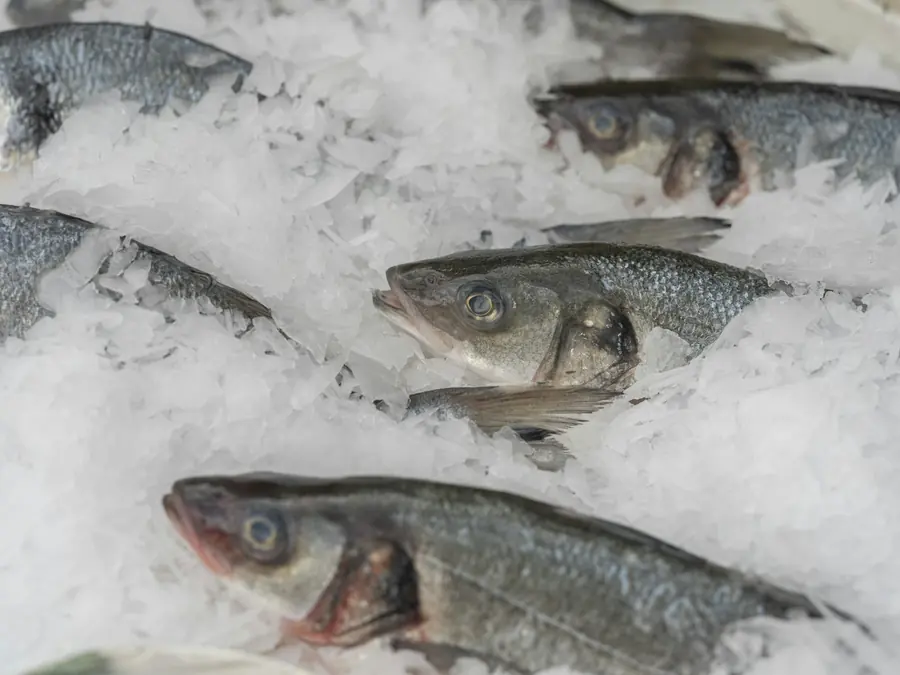
Fish is the settled part
Across the major schools, fish is permitted. It also carries an important practical distinction from land animals: fish does not require the ritual slaughter that beef, lamb and chicken do. There is no zabiha question for a salmon fillet.
That single fact explains a great deal about how halal restaurants and Muslim households behave around seafood. It is the one protein category that can be bought from an ordinary supermarket without a sourcing conversation, which is why fish appears so often on menus in places where halal meat is hard to find.
Where the schools diverge
The disagreement turns on a question of definition: what counts as fish. The Arabic term normally translated as fish is read narrowly by some scholars and broadly by others, and everything follows from that.
Islamic Services of America, one of the US certification bodies, summarises the position this way: all four major schools of Islamic thought consider fish halal, while the Hanafi school considers non-fish sea creatures — squid, octopus, mussels and similar — impermissible. It also notes that many Hanafi scholars have treated prawns and shrimp as permissible, which is why shrimp specifically is the most argued-over item on the list.
| Fish | Shrimp and prawns | Other shellfish, squid, octopus | |
|---|---|---|---|
| Hanafi | Permitted | Debated within the school | Generally not permitted |
| Shafi’i | Permitted | Generally permitted | Generally permitted |
| Maliki | Permitted | Generally permitted | Generally permitted |
| Hanbali | Permitted | Generally permitted | Generally permitted |
This table is a broad summary of widely reported positions, not a fatwa, and individual scholars within each school differ. Treat it as a map of where the conversation sits rather than as an answer.
What this means when you are ordering
The practical consequences are narrower than the theological ones, and they are worth separating out.
- Plain fish is uncontroversial. If the menu offers grilled or baked fish, the seafood question itself is not the issue.
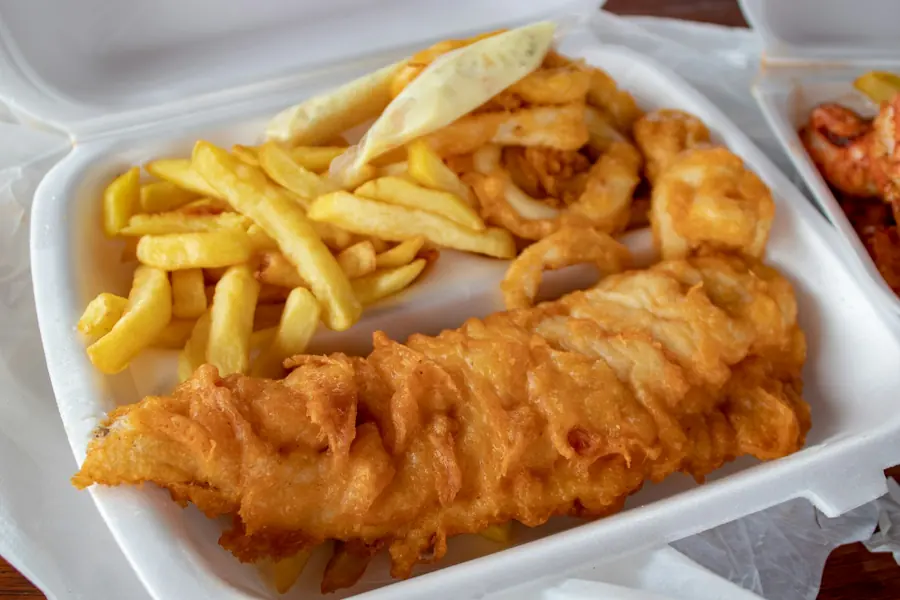
- The cooking is a separate question from the creature. Fish battered and fried in a shared fryer raises exactly the same issues as any other fried item, regardless of the fish.
- Sauces and marinades still matter. Wine in a fish sauce is a problem for the same reason it is a problem anywhere else.
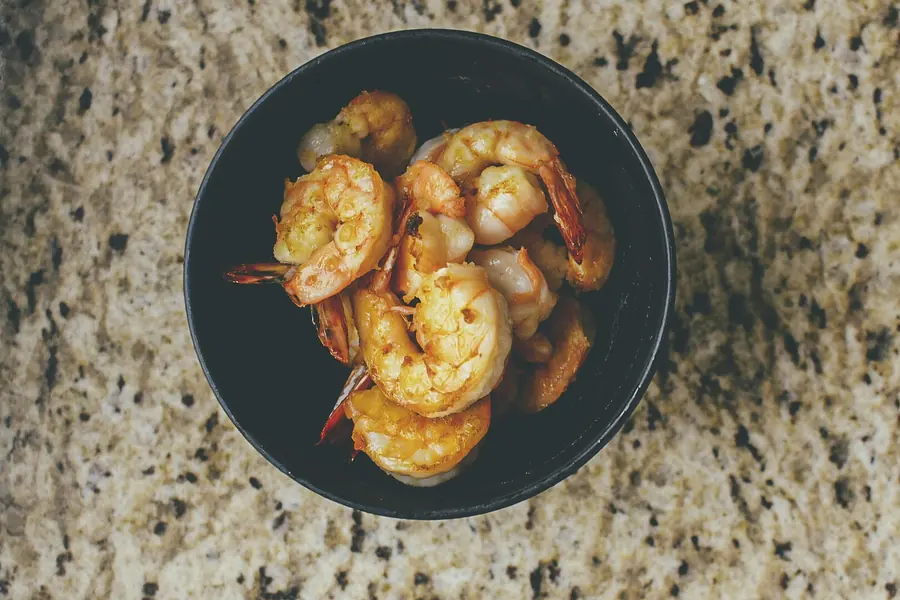
- Shellfish is a personal decision. If a restaurant serves it, that tells you about the restaurant’s view rather than about yours.
That second point is the one people miss. A halal-permitted fish cooked in oil shared with non-halal items has a cross-contamination problem that has nothing to do with the fish at all. Our guide to whether french fries are halal goes into the shared-fryer question properly, because it applies to far more of a menu than people expect.
Buying and cooking it yourself
Fish is the easiest protein to handle at home under halal rules, because the slaughter question does not arise. The things worth checking are the ones that apply to any processed product: breaded and battered fish products can contain alcohol-based flavourings or animal-derived ingredients in the coating, and surimi and seafood sticks frequently contain additives worth reading.
Whole fresh fish avoids all of it, which is the simplest route if you would rather not read labels.

At a table where people follow different positions
This is the situation the disagreement actually produces, and it is worth planning for rather than discovering at the table. If you are hosting or ordering for a group, the safe assumption is the most restrictive one present, because someone following a broader position can eat from a narrower menu while the reverse is not true.
In practice that means fish rather than shellfish when you are catering for a mixed group, and it costs nothing to do. It is the same logic that makes ordering the whole spread from a halal kitchen simpler than adding one halal dish — our guide to halal catering for the workplace works through that principle for a mixed team.
Why this comes up so often in the US
Two reasons. Seafood is one of the few animal proteins available without a sourcing conversation, which makes it disproportionately important for Muslims in places with few halal butchers. And American menus are full of shellfish — shrimp in particular is everywhere — so the question arrives constantly rather than occasionally.
It is also the point at which halal and kosher diverge most sharply. Kosher law excludes all shellfish outright, which is a settled position rather than a contested one, and it means a kosher restaurant and a halal restaurant can look very different at the seafood counter.
On our menu
Our kitchen is Mediterranean rather than a seafood restaurant, so fish appears in one place: fish sticks and chips on the children’s menu. We do not serve shellfish, so the contested part of this question does not arise here.
You can see the full menu, and our overview of what halal food covers sets out the wider rules, of which seafood is genuinely the most debated corner.
At the other end of the difficulty scale sits a question that looks trivial and is not — whether lettuce is halal, where nothing about the food is in doubt and everything about the kitchen might be.
Frequently asked questions
Is fish halal?
Fish is considered permissible across all four major Sunni schools of thought, and unlike beef, lamb and chicken it does not require ritual slaughter. That makes it the one animal protein that can generally be bought without a sourcing conversation.
Is shrimp halal?
It depends on the school of thought. The Shafi’i, Maliki and Hanbali positions generally treat shrimp as permitted. Within the Hanafi school it is debated, with many scholars treating prawns and shrimp as permissible while other non-fish sea creatures are not. Which view applies to you is a question for your own scholarship.
Why do the schools disagree about shellfish?
The disagreement turns on how broadly the Arabic term usually translated as fish is read. A narrow reading limits permission to fish proper, which excludes squid, octopus and mussels; a broader reading takes in sea creatures generally.
Does fish need to be slaughtered a particular way?
No. The ritual slaughter requirements that apply to land animals do not apply to fish, which is one of the main practical differences between seafood and meat under halal rules.
Is halal seafood the same as kosher seafood?
No, and this is where the two diverge most. Kosher law excludes all shellfish outright as a settled position. Halal views on shellfish vary by school, with some permitting what kosher law does not.
The short version: fish is agreed, everything else in the sea is not, and the answer for you depends on a tradition that a restaurant is not qualified to choose on your behalf.
Questions about how anything on our menu is sourced? Ask us.