
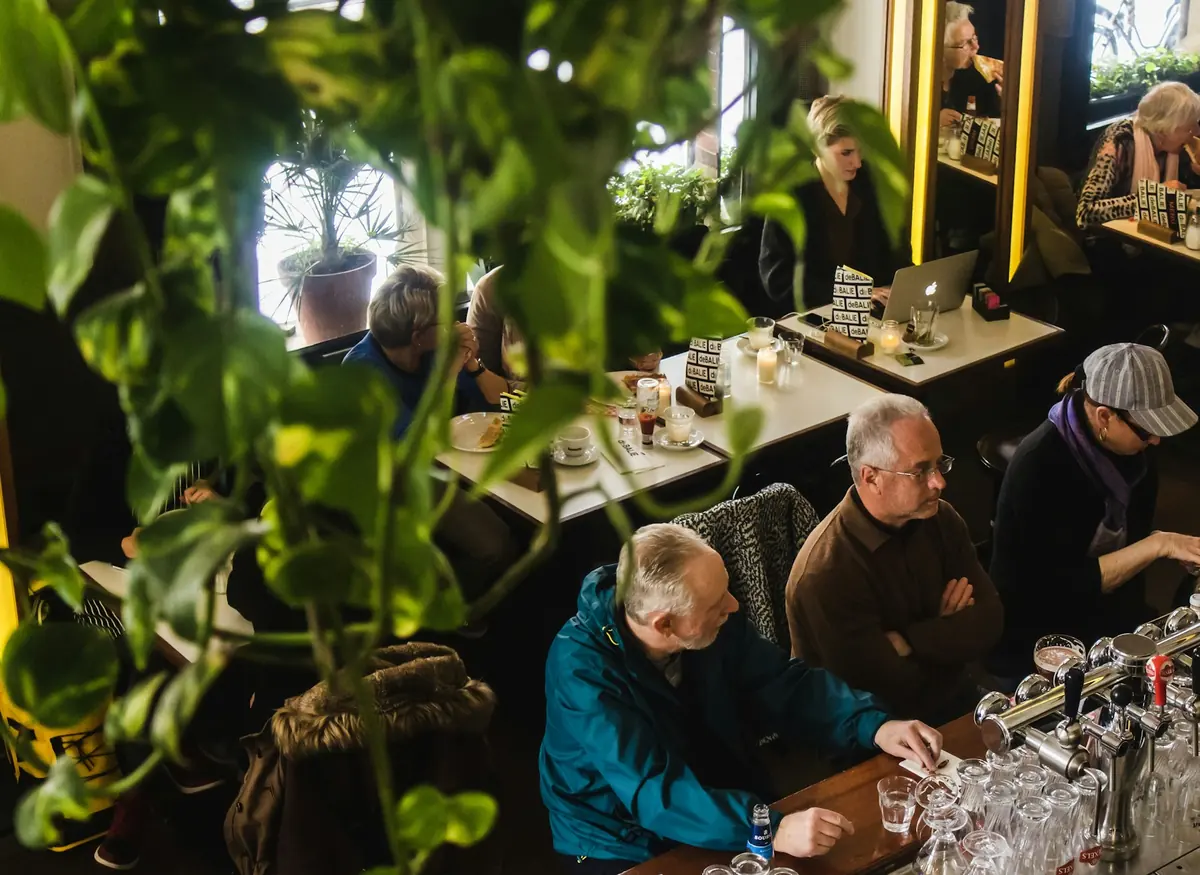
Mediterranean menus look adventurous to a child. Unfamiliar names, sauces they did not ask for, and a lot of things mixed together on one plate.
In practice it is one of the easier cuisines to feed children from, because almost everything can be deconstructed. Here is how to order.
The short answer
Order components rather than composed dishes. Plain rice, grilled chicken, bread and cucumber or tomato from a salad will suit most children, and every Mediterranean kitchen already has all four. Ask for sauces on the side rather than on the food.
Why this cuisine suits children better than it looks
Most Mediterranean plates are assemblies rather than mixtures: meat, rice, salad and a sauce arrive together but are not cooked into each other. That makes them easy to separate, which is the single most useful property in children’s food.
The flavours are also warm rather than hot. Cumin, coriander and oregano are aromatic, not spicy, so a plate that sounds exotic usually tastes mild.
What to order
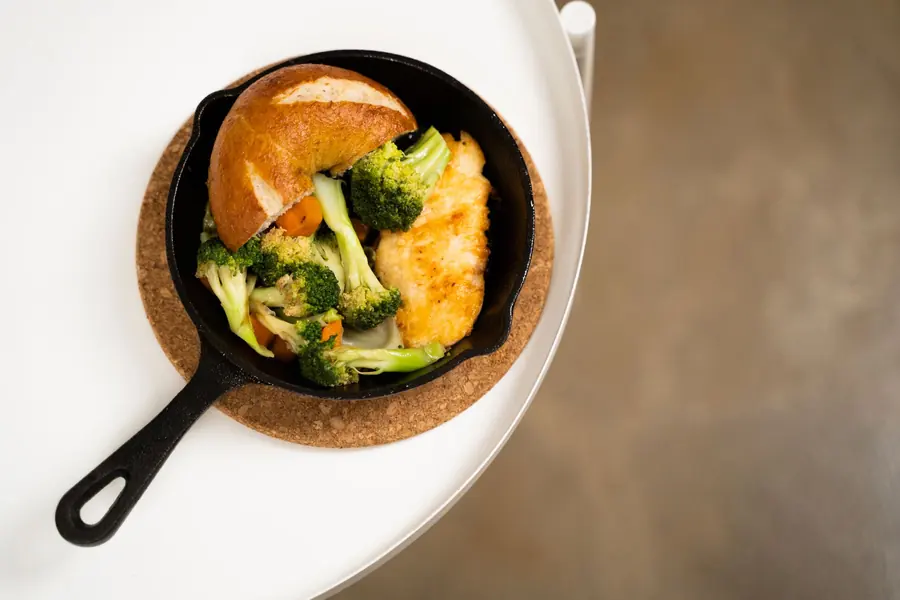
- Plain rice. Seasoned but not spicy, and familiar in shape even when the seasoning is not.
- Grilled chicken. The least challenging protein on any Mediterranean menu.
- Flatbread or pita. Reliable, and useful as a vehicle for anything a child will not eat with a fork.
- Cucumber and tomato. Ask for salad without dressing rather than skipping it entirely.
- Fries. Present on most Mediterranean menus, and a reasonable fallback.
- Hummus with bread. A surprising number of children take to it, and it is worth one attempt.

Fried food comes up constantly with children, and the fryer matters more than the item does. Our guide to whether french fries are halal covers shared oil and the flavourings that can be animal-derived without saying so.
Different ages, different problems
What works depends a good deal on how old the child is, and the failure modes are different at each stage.
- Toddlers mostly need things they can pick up. Bread, rice, plain chicken and cucumber all qualify; a composed plate with sauce does not.
- Younger school-age children tend to object to mixing more than to flavour. Keeping components separate solves most of it.
- Older children are usually willing to try things but dislike being made to. Putting an unfamiliar dish on the table without comment works better than putting it on their plate.
It also helps to order the child’s food at the same time as everyone else’s rather than first. Food that arrives early gets picked at and then abandoned by the time the rest of the table starts eating.
The sauce question
Sauce is the most common reason a child rejects a plate they would otherwise eat. Garlic sauce in particular is strong, and it goes on generously by default.
Asking for sauces on the side solves it completely and takes no extra effort from the kitchen. Tzatziki is the mildest of the three if you want to offer one — our guide to garlic sauce, tzatziki and tahini explains how they differ.
Introducing new food without a battle
The American Academy of Pediatrics publishes general guidance on children and nutrition, and the practical advice most parents land on is the same: pair one new thing with several familiar ones, and do not make it the condition of the meal.
A Mediterranean table is well suited to that, because there are naturally several dishes on it. A child can eat rice and bread quite happily while a single piece of falafel sits on the plate unremarked.
Practical things that help at the table
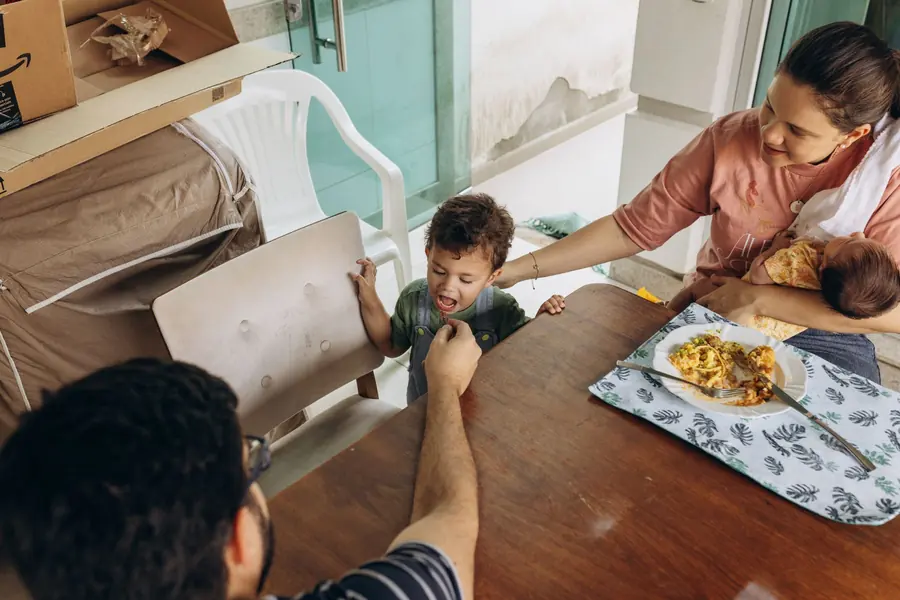
A few small requests make a Mediterranean meal much easier with children, and none of them are unusual to ask for.
- Ask for the food to come out together rather than in courses, so nobody is waiting.
- Order an extra bread. It buys time while the rest arrives and it is the thing children reach for first.
- Ask for a spare empty plate. It makes separating components trivial and costs the kitchen nothing.
- Skip the pickles and chillies or keep them at the far end of the table.
What tends not to work
A few things reliably cause trouble, and they are easy to avoid once you have seen them go wrong.
- Wraps. Everything is inside, mixed, and impossible to negotiate with. Order the plate version instead and let the child build their own.
- Anything pre-dressed. Once salad is dressed it cannot be undressed.
- Sharing one adult portion. It works less often than parents hope, because the seasoning is pitched at an adult palate.
- Ordering only for the child. Children eat more readily from a shared table than from a plate that has been designated theirs.
Ordering for a family table
| For the table | Why it works for children |
|---|---|
| A rice plate with chicken | Separates into rice, meat and salad |
| Hummus and bread | Mild, familiar texture, eaten with hands |
| Fries | The reliable fallback |
| A salad, dressing on the side | Cucumber and tomato can be picked out |
| Sauces on the side | Nothing arrives pre-covered |
Ordering this way also means the adults get a proper meal rather than negotiating around a children’s menu.
Building the habit rather than winning the meal
The realistic goal on any single visit is not that a child eats something new. It is that the restaurant becomes somewhere they are comfortable, which makes the next visit easier.
That usually means letting them eat mostly familiar food while the unfamiliar things sit on the table being eaten by everyone else. Children copy far more readily than they comply, and a shared Mediterranean table gives them plenty to copy.
On our menu
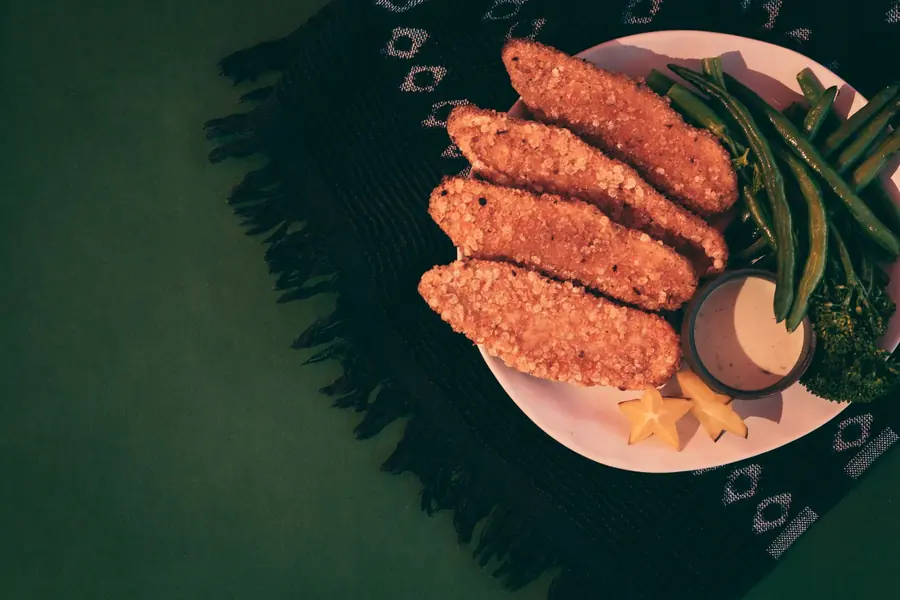
We have a kids’ menu with chicken nuggets, chicken tenders, and fish sticks and chips. Alongside it, rice, plain french fries, flatbread and a garden salad all work well for younger diners, and every plate comes with hummus.
All our menu items are made with halal ingredients. If your child has a specific allergy or requirement, please ask us directly rather than working it out from the menu — sesame in particular is common in this cuisine, in tahini and in some breads. The full menu is here.
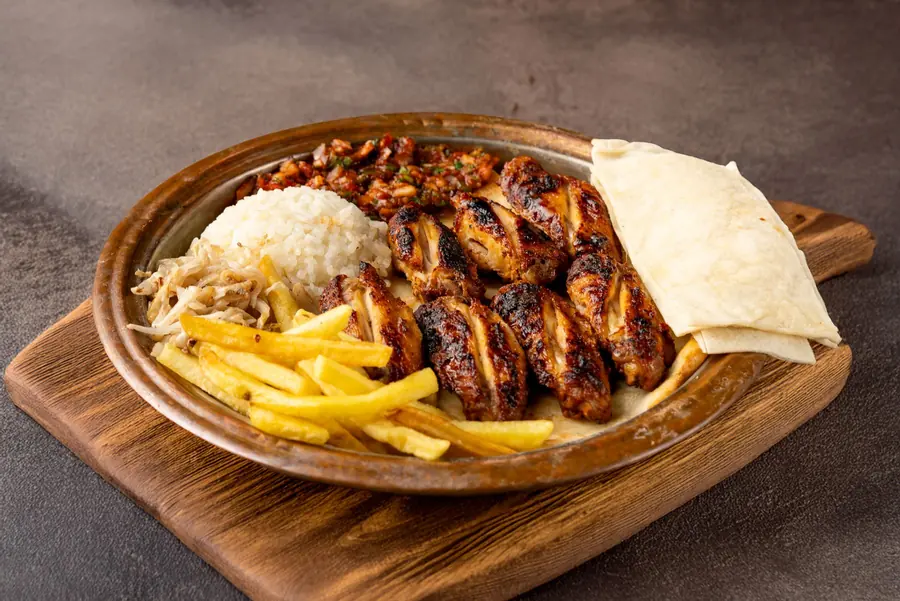
Chicken is most of what children order here, and it is worth knowing what halal actually changes about it — less than people assume, and not what they assume.
Frequently asked questions
What should I order for a child at a Mediterranean restaurant?
Order components rather than composed dishes: plain rice, grilled chicken, flatbread and undressed cucumber or tomato. Every Mediterranean kitchen has all four, and they can be separated on the plate.
Is Mediterranean food too spicy for kids?
Generally no. The seasoning is warm and aromatic rather than hot — cumin, coriander and oregano rather than chilli. The stronger element is usually the garlic sauce, which is easily requested on the side.
Do Mediterranean restaurants have kids’ menus?
Many do, typically with simple options such as chicken tenders or nuggets. Even where there is no separate menu, plain rice, bread, grilled chicken and fries are almost always available.
How do I handle allergies when ordering?
Ask the restaurant directly rather than inferring from dish names. Sesame is particularly common in Mediterranean cooking, in tahini and in some breads, and it is not always obvious from a description.
Order components rather than composed plates, keep the sauces on the side, and most Mediterranean menus turn out to be very child-friendly.
Kids’ options, plain rice, bread and fries alongside the full menu.