
Turkish food raises the halal question differently from Greek or Italian food, because Turkey is a majority-Muslim country. A lot of people assume that settles it.
Inside Turkey it very nearly does. Outside it, the picture is more mixed, and the assumption is worth examining.
The short answer
Most Turkish cooking is halal-friendly, and pork is rare in Turkish cuisine. But Turkey is a secular state with a significant drinking culture, so alcohol is common in restaurants, and Turkish restaurants abroad vary widely. Whether a specific restaurant is halal still depends on its sourcing.
Why so much of it is straightforward
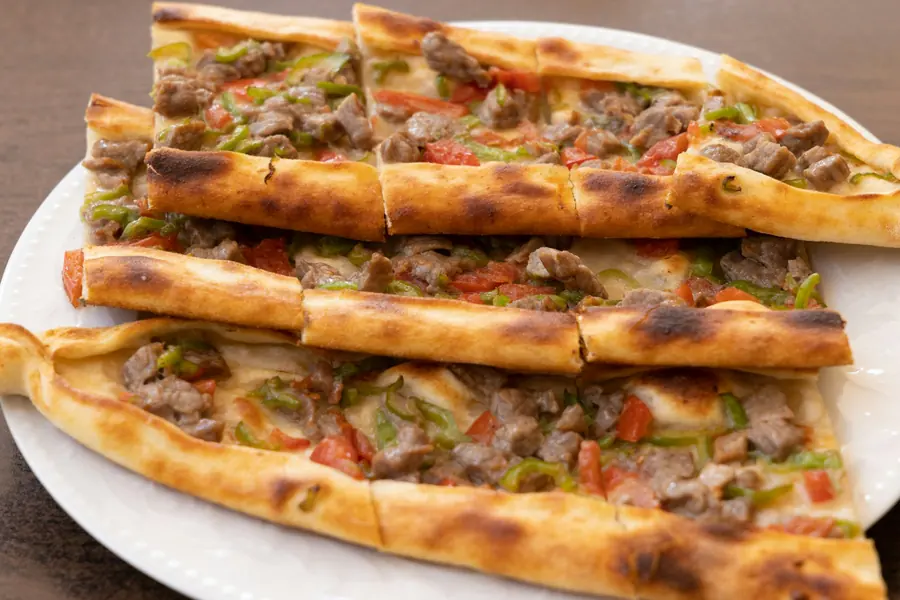
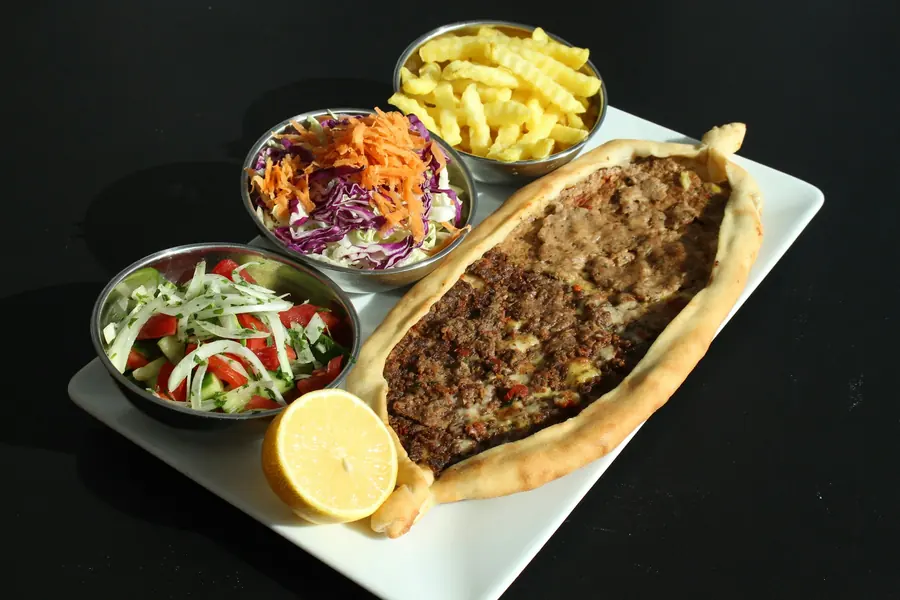
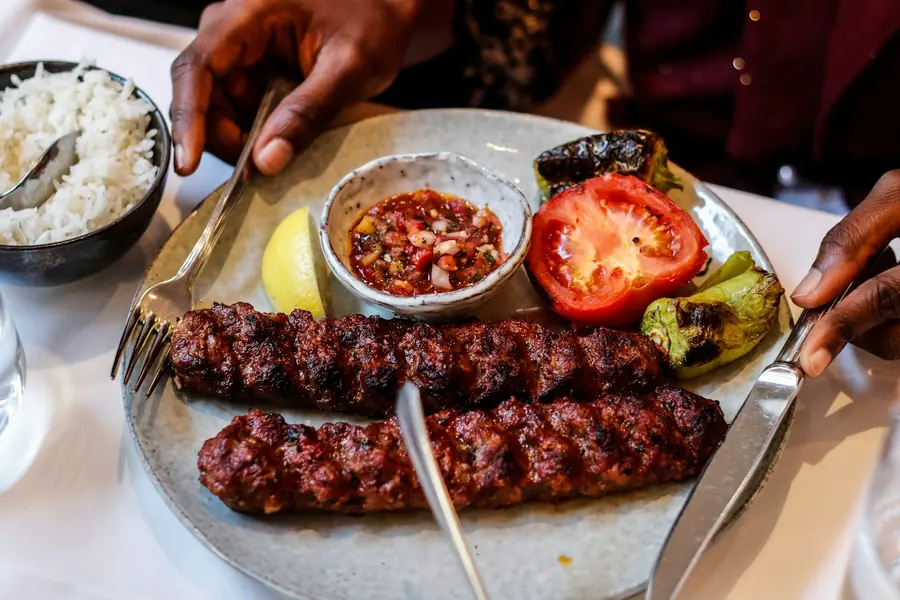
Pork barely features in Turkish cooking. The meats are lamb, beef and chicken, and the great Turkish dishes — doner, adana kebab, iskender, köfte, lahmacun, pide — are built on them.
Beyond the meat, an enormous proportion of the cuisine is vegetable-based. Turkey’s own tourism board describes a culinary tradition built on regional produce, grains and dairy as much as on grilled meat, and the mezze table reflects that.
Where the questions are
Alcohol
This is the main one. Raki is the national spirit, Turkish wine has a long history, and beer is widely available. Many Turkish restaurants, both in Turkey and abroad, serve alcohol.
That does not necessarily affect the food, but it does mean a Turkish restaurant is not automatically a halal establishment in the fuller sense, and some dishes do use wine in cooking.
Sourcing outside Turkey
Inside Turkey, halal meat is effectively the default because of the supply chain. Outside it, a Turkish restaurant buys from whatever supplier is available locally, which may or may not be halal.
This is the single most common misunderstanding: the cuisine being Turkish tells you about the recipes, not about the butcher.
Charcuterie and sausage
Turkish sucuk is a spiced sausage traditionally made from beef, and pastirma is air-dried beef. Both are usually fine. But versions made abroad occasionally blend in other meats, so it is worth a question if you are buying rather than ordering.
The underlying rules are the same wherever you are eating — our overview of what halal covers sets them out without reference to any one cuisine.
Turkish food in Turkey versus abroad
This is the distinction that matters most and it is rarely spelled out. In Turkey, the meat supply is overwhelmingly halal by default, so a diner does not usually have to ask. The thing to check there is whether a particular restaurant serves alcohol, which many do.
Abroad, that default disappears. A Turkish restaurant in Texas buys from Texan suppliers, and whether the meat is halal depends entirely on which supplier it chose. The recipes travelled; the supply chain did not.
So the question flips depending on where you are standing. In Istanbul, ask about the bar. In San Marcos, ask about the butcher.
Dish by dish
| Dish | Usually fine? | The question |
|---|---|---|
| Mezze — dips, salads, stuffed vegetables | Yes | None in practice |
| Pide and lahmacun | Usually | The meat topping, where there is one |
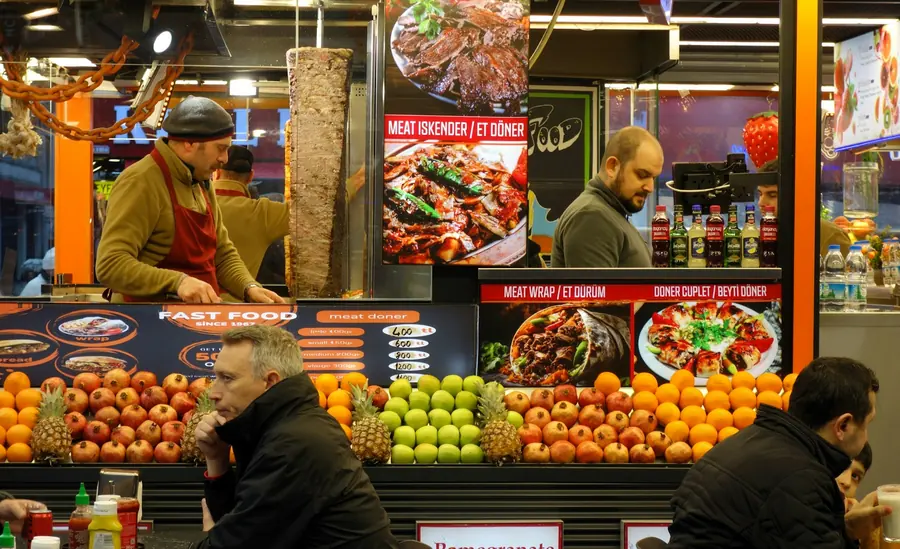
| Doner kebab | Depends | Meat sourcing |
| Adana and urfa kebab | Depends | Meat sourcing |
| Köfte | Depends | Meat sourcing |
| Iskender | Depends | Meat sourcing, and the butter used |
| Sucuk and pastirma | Usually beef | What the sausage is actually made from |
| Slow-cooked stews | Needs checking | Whether wine is used |
| Turkish desserts | Usually | Occasionally a spirit in the syrup |
Turkish cooking is regional, not singular
Turkey is large and its cooking varies enormously from one end to the other, which is worth knowing before you generalise from one restaurant.
- The southeast — Gaziantep, Adana, Urfa — is kebab country, with the spiciest food in the country and a strong pistachio and pepper tradition.
- The Aegean coast leans Mediterranean in the European sense: olive oil, herbs, vegetables and a great deal of seafood.
- The Black Sea region cooks with corn, anchovies and butter, and looks very little like the menus most people picture.
- Istanbul pulls from all of it, which is why its restaurants are the least representative of any single tradition.
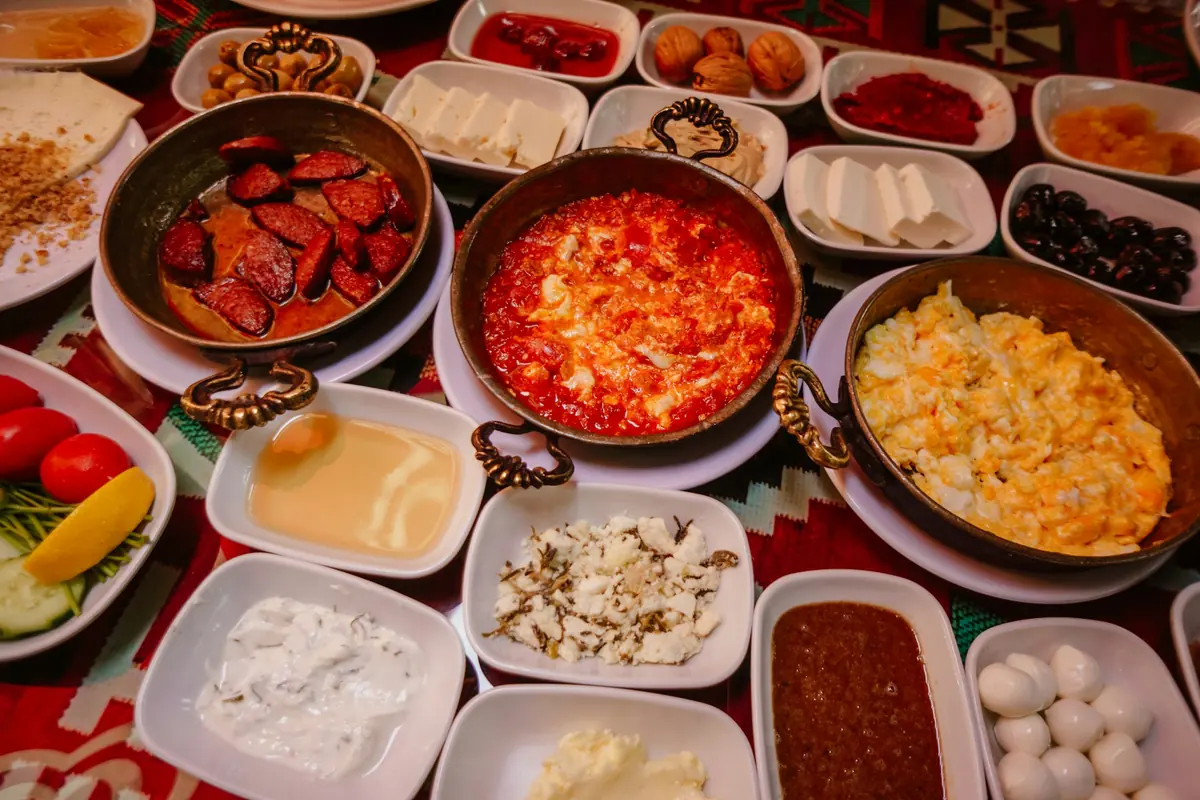
Turkish breakfast deserves a mention of its own, because it is one of the country’s great meals and almost entirely free of the questions above: cheeses, olives, tomatoes, cucumber, eggs, honey, jam and endless bread and tea.
How Turkish compares to its neighbours
Placing it on a spectrum helps. Greek cooking uses pork as a staple, so the question there is sharpest — see whether Greek food is halal. Lebanese cooking uses it far less, as we cover in whether Lebanese food is halal. Turkish sits closer to the Lebanese end on pork, but closer to the Greek end on alcohol.
None of the three is halal by definition, which is the theme running through all of this — and through our wider guide to Mediterranean food and halal.
What to order if it is new to you
Turkish menus are long, and the names give little away to anyone who has not eaten the food before. A few reliable entry points:
- Pide — a boat-shaped flatbread with toppings, and the closest thing to a format most people already know.
- Adana or urfa kebab — spiced minced lamb on a skewer, urfa being the milder of the two.
- Iskender — doner over bread with tomato sauce and yogurt, rich and very filling.
- Mezze — order three or four and share, which is how the food is meant to be eaten anyway.
Turkish influence on our menu
The vertical rotisserie that produces our shawarma is a direct descendant of Turkish doner, and our kofta belongs to the same family as Turkish köfte. Both are served with hummus, salad and flatbread.
All our menu items are made with halal ingredients and we serve no alcohol, so both of the questions above are already answered. If you want the detail on how these dishes relate, our guide to shawarma, kebab and kofta untangles the family tree, or you can look at the menu.
The wider version of that problem applies to packaged food anywhere abroad. Why the same product can be halal in one country and not another explains why the homework you did at home does not travel with the brand name.
Frequently asked questions
Is Turkish food halal?
Most Turkish cooking is halal-friendly and pork barely features in the cuisine. However, Turkey is a secular country where alcohol is widely served, and Turkish restaurants abroad source meat locally, so whether a particular restaurant is halal still depends on the restaurant.
Is doner kebab halal?
It depends on the meat and where it was sourced. Doner is traditionally made from lamb, beef or chicken rather than pork, so the dish itself is not the issue — the sourcing is.
Do Turkish restaurants serve pork?
Rarely, because pork is not part of the traditional cuisine. It is far more common for a Turkish restaurant to serve alcohol than to serve pork.
Is Turkish sucuk halal?
Sucuk is traditionally a beef sausage, so it is usually fine. Versions produced outside Turkey occasionally blend other meats, so check the label or ask if you are buying rather than ordering.
Is Turkish food the same as Middle Eastern food?
They overlap heavily but are not identical. Turkey is usually counted as both Mediterranean and Middle Eastern, and its cooking shares dishes with its Levantine neighbours as well as with the Balkans and the Caucasus.
Turkish cooking is one of the easiest Mediterranean cuisines to eat halal on the food side, because pork barely appears. Alcohol is the variable, and sourcing outside Turkey is the question.
Shawarma, kofta and flatbread, all made with halal ingredients and no alcohol on the premises.