
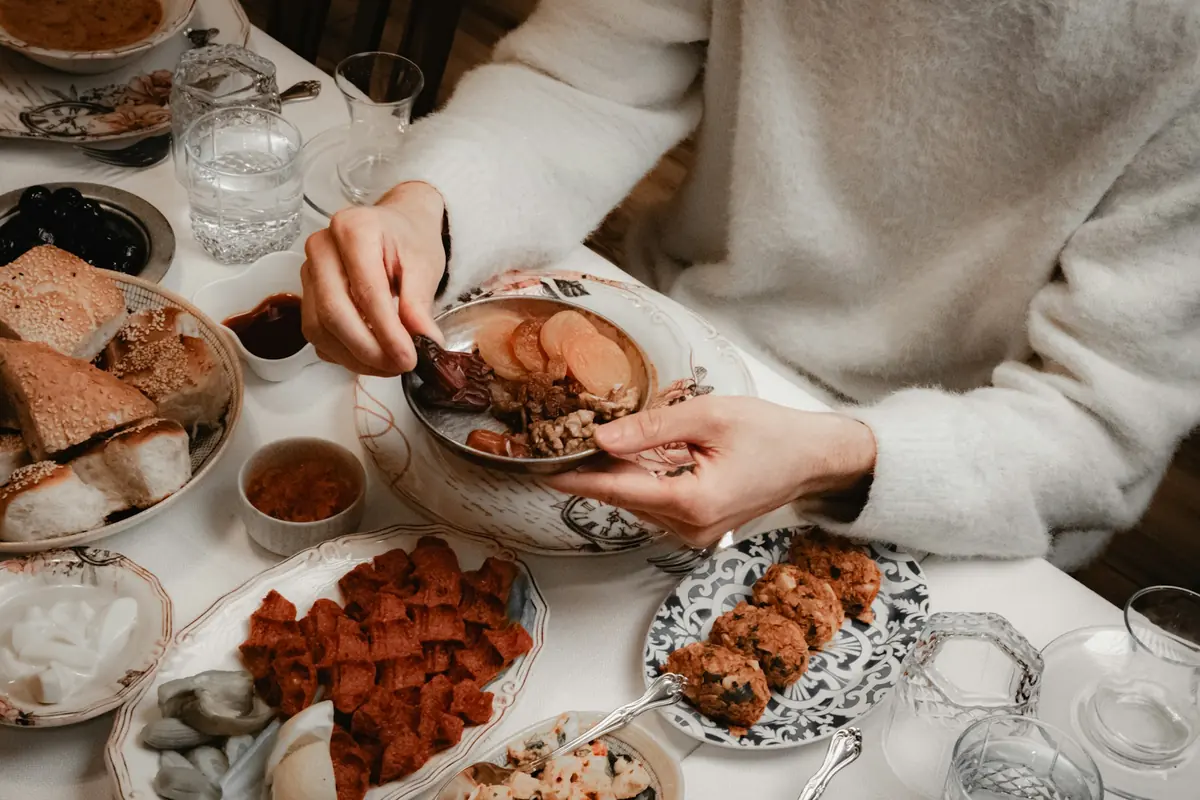
Ramadan changes when people eat rather than whether they eat, and that single fact reshapes how food gets ordered. Iftar lands in a narrow window after sunset, and everyone in the room is waiting for it at the same moment.
Eid is the opposite problem: larger groups, daytime, and a celebratory rather than a functional meal. Here is how to plan for both in San Marcos.
The short answer
For iftar, order for a fixed moment rather than a window, keep the menu simple, and include dates and something light alongside the main food. For Eid, expect larger groups and a longer, more social meal, and order further ahead than you think you need to.
Why iftar is a different ordering problem
Most catering assumes a serving window — food arrives, sits, and people graze. Iftar does not work that way. Everyone eats at the same minute, and that minute is set by sunset, which shifts a little every day through the month.
Britannica’s overview of Ramadan and its observance explains the fasting pattern if it is unfamiliar. The practical consequences for food are specific:
- Timing is fixed, not flexible. Food that arrives twenty minutes late is a real problem in a way it would not be at a lunch.
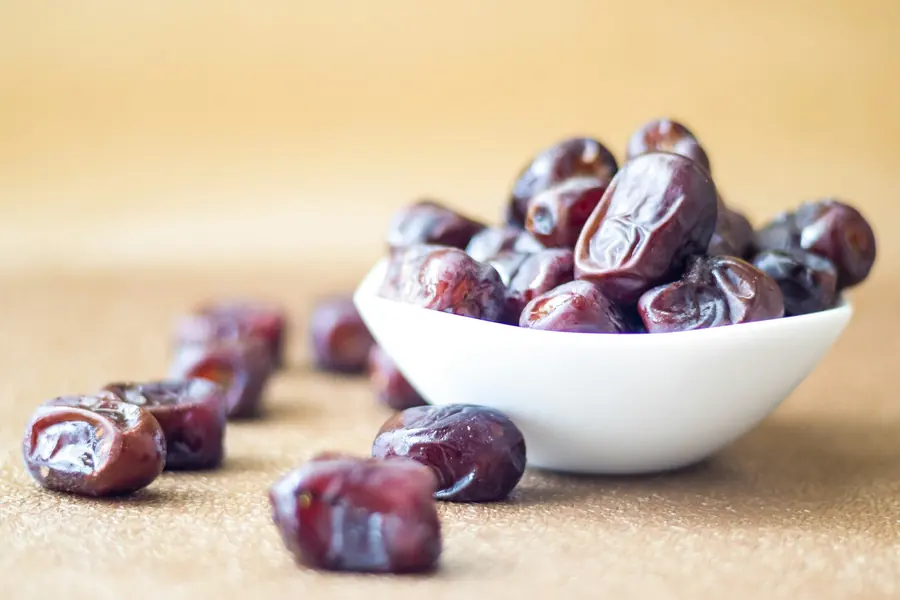
- The first thing eaten is usually light. Dates and water traditionally come first, then the meal proper.
- Appetites are smaller than expected. After a full day of fasting most people eat less at the first sitting, not more.
- People often eat in two stages, with a pause between, so food needs to hold for a short while without deteriorating.
What to order for iftar
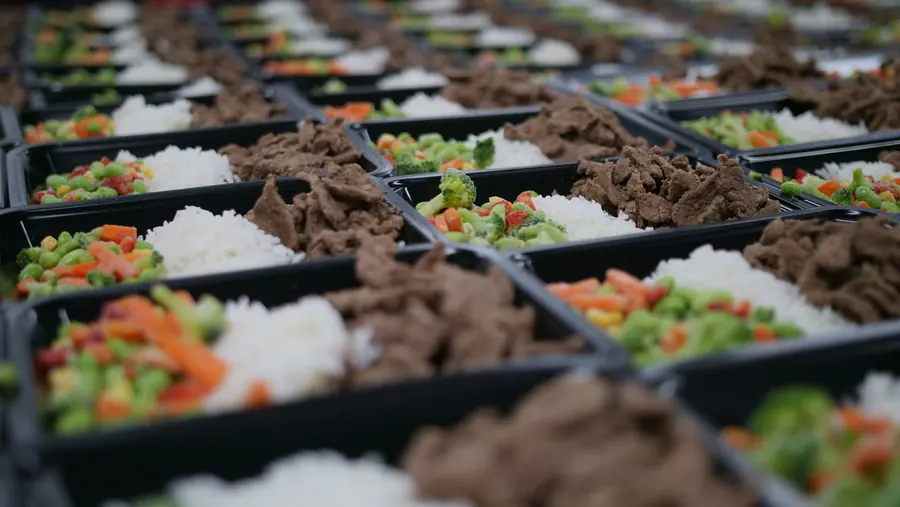
Simplicity wins. A rice plate with meat, a salad, hummus and bread covers almost everyone, and it holds well across the pause that usually follows the first few mouthfuls.
Fried items are the thing to be careful with, because they are at their best for a short window and iftar timing is unforgiving. If you want falafel or fries, plan for them to be eaten immediately rather than held.

Eid is a different shape
Eid al-Fitr follows the end of Ramadan and Eid al-Adha comes later in the year. Both produce larger, more social gatherings, often in daylight, often with extended family or a whole community group.
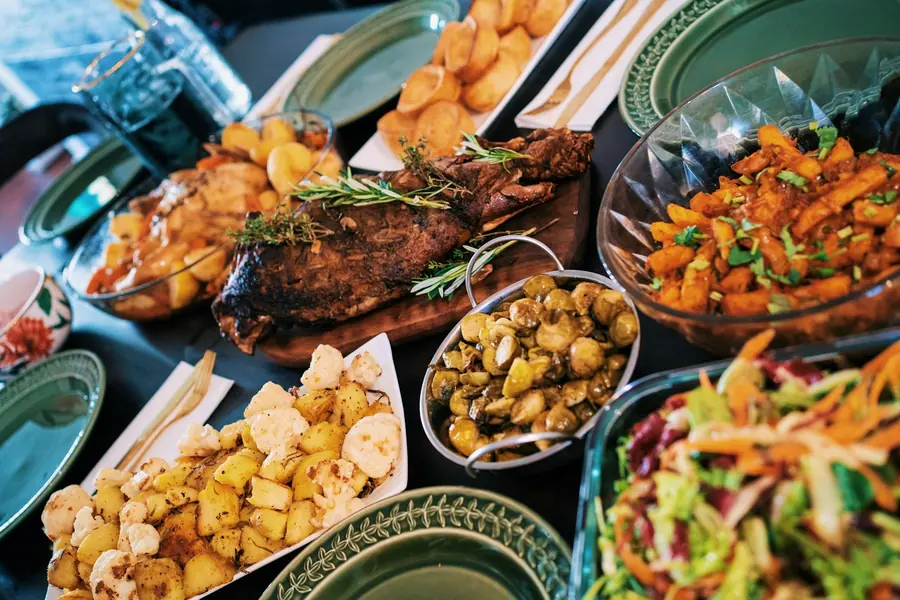
That means bigger headcounts, longer serving windows, and more variety than an iftar order needs. It is closer to conventional party catering, and the usual planning applies — our guide to working out group quantities covers portions per head and what holds up.
Workplaces raise a related but different set of questions, particularly around mixed teams and the Ramadan timing conflict. Our guide to halal catering for the workplace covers those.
Ordering for a mosque or student group
Community iftars are a different order again. Headcounts are larger and less predictable, budgets are usually fixed, and the food often has to be portioned quickly for a queue rather than served at a table.
- Give a range rather than a number, and confirm closer to the date. Attendance at community events moves.
- Ask for boxed or tray-portioned food so serving is fast — a queue of eighty people at sunset does not want a carving station.
- Weight the order toward rice and bread, which stretch furthest and cost least per head.
- Confirm who is setting up. Community spaces rarely have serving equipment on hand.
Planning either one
| Iftar | Eid | |
|---|---|---|
| Timing | Fixed to sunset, shifts daily | Flexible, usually daytime |
| Group size | Often smaller and repeated | Larger, one-off |
| Appetite | Moderate at first sitting | Full |
| Menu | Simple and reliable | Varied and celebratory |
| Format | Best plated or boxed | Buffet trays work well |
| Lead time | Book the whole month if recurring | Book well ahead |
Planning for leftovers
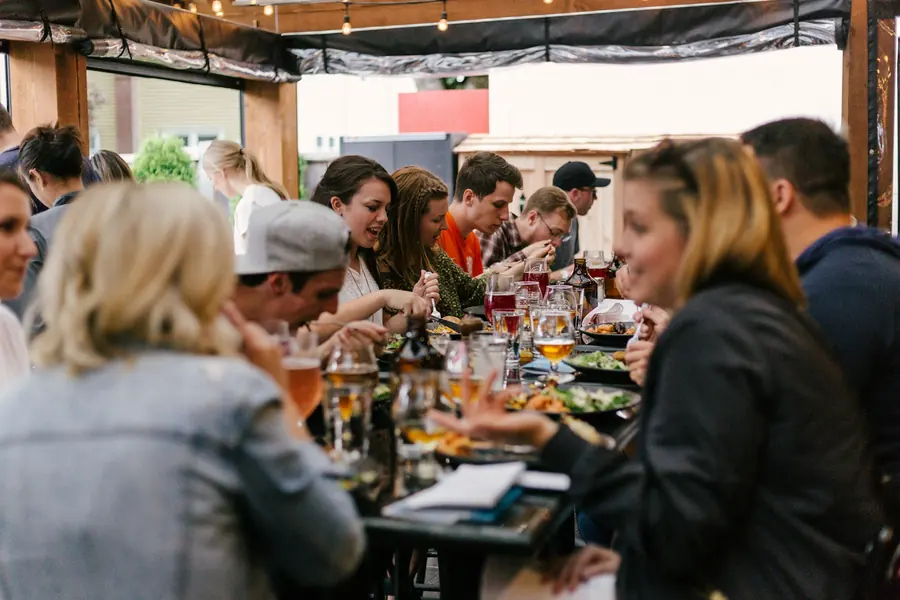
Ramadan gatherings tend to produce leftovers, because appetites after a long fast are smaller than people expect and orders are usually placed generously.
That is worth planning for rather than treating as waste. Rice, grilled meats and dips all keep and reheat well; dressed salads and fried items do not. If you know food will be taken away afterwards, weight the order toward the first group and ask for containers when you book.
Ordering in San Marcos specifically
Two things matter locally. Demand concentrates sharply during Ramadan, so kitchens that are quiet at 5pm are busy at sunset — book early rather than assuming availability. And student groups and family gatherings often need different formats, so say which you are planning.
Dates for Ramadan and both Eids shift each year against the Gregorian calendar, so check a reliable local calendar rather than working from last year’s dates. Our wider guide to halal food in San Marcos covers the general picture.
Suhoor, the meal nobody plans for
Iftar gets all the attention, but suhoor — the meal before dawn — is the one that actually determines how the day goes. It is rarely catered, because it falls at an hour no restaurant is open.
If you are organising food for a group during Ramadan, it is worth asking whether anything is needed for suhoor as well, and ordering food that keeps overnight. Rice, grilled meats and dips all hold; anything fried or dressed does not.
Ordering from us
We cater in San Marcos from the same menu we serve in the restaurant, for groups from 10 to 500, and all our menu items are made with halal ingredients.
If you are planning an iftar, tell us the sunset time you are working to rather than a general slot, and we will build the order around it. For Eid, give us the headcount and the format you want — the catering request form is here, or call us if it is easier to talk it through. Our guide to how halal catering works covers buffet versus boxed formats in more detail.
Hosting an iftar yourself rather than ordering one in? Our guide to hosting a Muslim guest for dinner covers the meat, alcohol and preparation questions, and why a vegetarian menu removes the hardest of them.
Frequently asked questions
How far ahead should I order iftar catering?
As early as you can, and ideally for the whole month at once if the gathering recurs. Demand concentrates into the same narrow window every evening during Ramadan, so availability at sunset goes quickly.
What food works best for iftar?
Simple, reliable dishes that hold for a short while: rice plates with meat, salads, hummus and bread. Dates and water traditionally come first. Fried items are best if they will be eaten immediately rather than held.
How much food should I order for an iftar?
Slightly less per head than you would for an equivalent dinner. After a full day of fasting most people eat moderately at the first sitting, often pausing and returning rather than eating one large plate.
What is the difference between iftar and Eid catering?
Iftar is a timing problem — everyone eats at a fixed moment set by sunset. Eid is a scale problem — larger groups, daytime, a longer and more social meal that suits buffet formats.
When is Ramadan?
The dates shift each year against the Gregorian calendar, and the daily fast ends at sunset, which changes slightly each day. Check a reliable local calendar rather than working from the previous year’s dates.
Iftar is a timing problem and Eid is a scale problem. Both are much easier if the kitchen knows which one you are planning.
Tell us your date, headcount and timing and we will help you plan it.