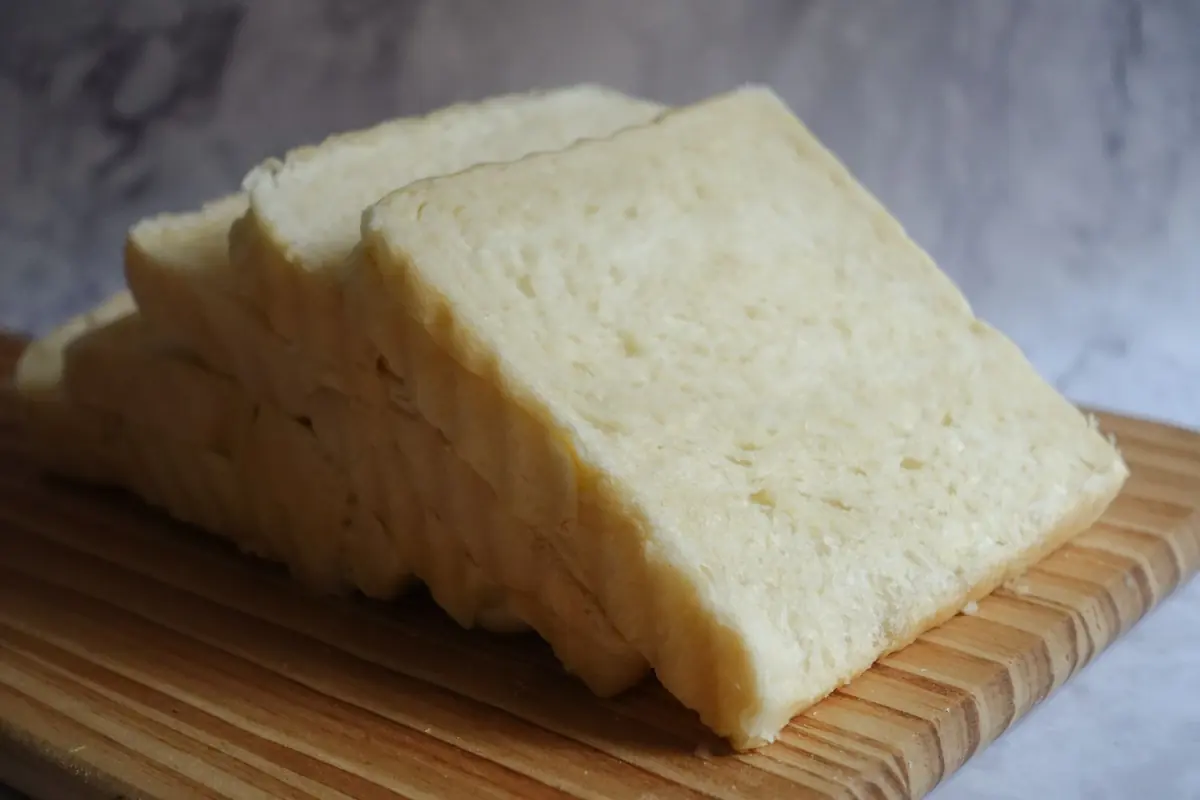
Bread is flour, water, yeast and salt. Then you turn over a supermarket loaf and the ingredient list runs to twenty items, several of which are not obviously food.
Most of it is harmless. Two entries are worth understanding, because their source decides the answer and the label does not give it.
The short answer
Bread made from flour, water, yeast and salt is halal. Commercial bread often contains two additives whose origin the label does not state: L-cysteine, a dough conditioner, and mono- and diglycerides, an emulsifier. Each can be plant-derived, synthetic or animal-derived. Short ingredient lists are the reliable ones.
What is actually in a commercial loaf
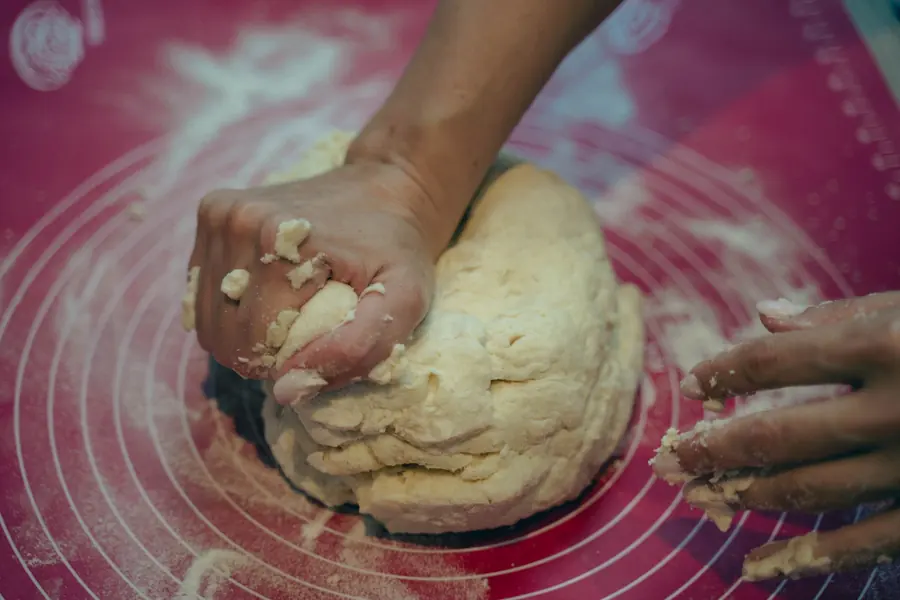
Industrial baking is fast, and most of the additions exist to make dough behave predictably on a production line and to keep the finished loaf soft for longer. Conditioners strengthen the gluten network so dough can be mixed harder and proofed shorter. Emulsifiers slow the staling. Enzymes do a bit of both.
None of that is sinister and none of it is about flavour. It is about time, and it is why a bakery loaf with four ingredients and a packaged loaf with twenty are different products.
L-cysteine, and the rumour attached to it
L-cysteine is an amino acid used as a dough conditioner. The FDA’s regulation for it, 21 CFR 184.1271, defines it as “L-2-amino-3-mercaptopropanoic acid” and permits it as a “dough strengthener” in yeast-leavened baked goods at up to “0.009 part of total L-cysteine per 100 parts of flour”.
Read that again and notice what is missing. The regulation defines the molecule and sets a limit on how much can be used. It says nothing whatever about how the molecule was obtained. That is the entire problem, and it is the same shape as the gelatin problem — a defined substance with an undefined origin.
Commercially, L-cysteine is produced synthetically, by microbial fermentation, or by hydrolysing keratin — and the keratin sources used industrially have included poultry feathers and human hair. That is the origin of the “human hair in your bread” headline people arrive with. It is not invented, and it is not the whole story either: the synthetic and fermentation routes are widely used, several producers market keratin-free grades specifically for kosher and halal customers, and nothing on a US label tells you which route your loaf went through.
Mono- and diglycerides
The other one, and by volume much more common. Mono- and diglycerides are emulsifiers made from fats and oils, and the fat can be vegetable or animal. In the United States they are usually soy or palm derived, because that is cheaper, but usually is not a standard and the label does not distinguish.
If you have read European ingredient lists you will have met this as E471. US labels do not use E numbers, which is why the additive lists circulating online are harder to apply here than they look — our guide to the ingredients a US label will not explain goes through the American names for the same things.
What is in the list, and what the label tells you
| Ingredient | What it is doing | Is the source stated? |
|---|---|---|
| Flour, water, yeast, salt | The bread | Not applicable |
| L-cysteine | Dough conditioner | No |
| Mono- and diglycerides | Emulsifier, delays staling | No |
| Enzymes | Dough handling and shelf life | No |
| Whey, milk solids | Softness and browning | Dairy is named, the rennet behind it is not |
| Honey, malt, molasses | Sweetness and colour | Yes, by name |
| Shortening | Fat | Sometimes — check for vegetable |
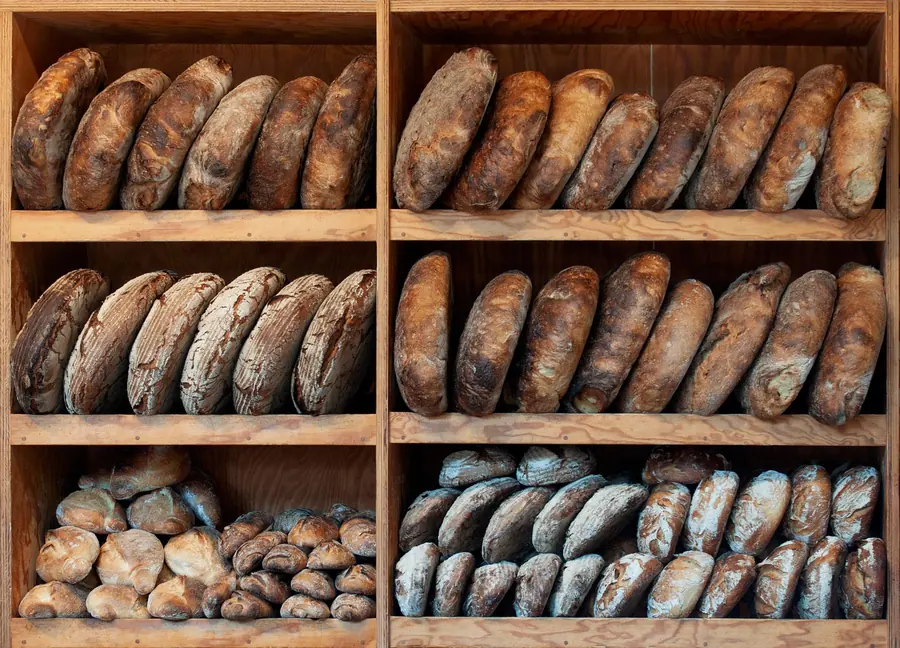
Which bread is least ambiguous
The answer is pleasingly low-tech: the shorter the list, the fewer the questions.
- Fresh bakery bread with a four or five item list. Most of the additives above exist to survive a week in a bag, and bread sold the day it is baked does not need them.
- Plain flatbread and pita, which are usually flour, water, yeast, salt and oil — our guide to pita, naan and flatbread covers how the styles differ.
- Certified products, where the whole formulation has been audited rather than one ingredient inspected.
- Bread you bake, which is the only case where you chose every ingredient yourself.
Enriched and long-life breads — sandwich loaves, burger buns, sweetened breads and anything advertising extended freshness — are where the list gets longest and the questions multiply.
There is a rough rule buried in that. Almost every ambiguous additive in bread is there to buy time: time on the production line, or time on the shelf. Bread that is not asked to do either — baked this morning, eaten today — has no commercial reason to contain any of them.
Which makes the bakery counter a better answer to this question than the ingredient list ever will be, and it is the same reasoning that makes a restaurant’s own flatbread a shorter conversation than a packaged loaf.
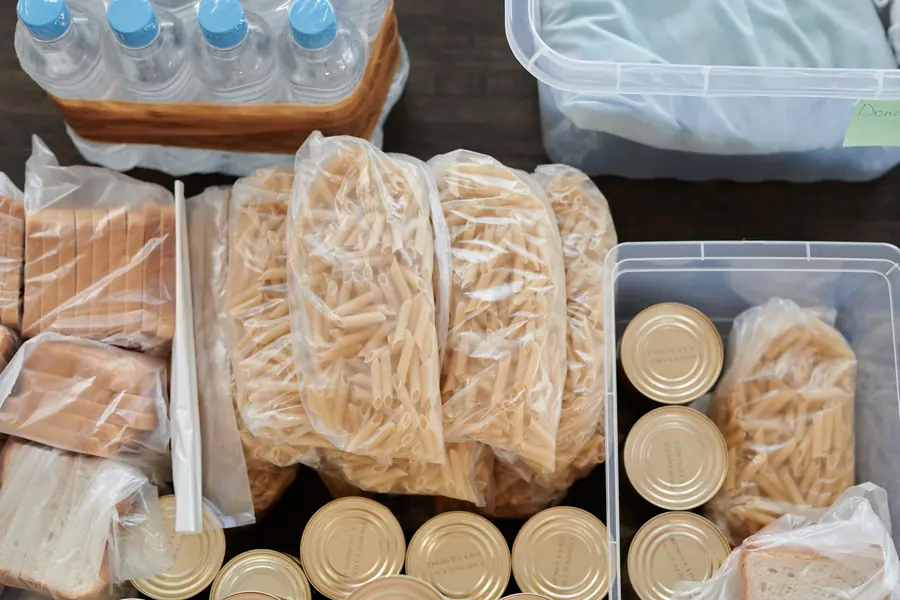
Tortillas, buns and pastry are a separate question
Bread is the easy end of this category. The baked goods that raise a sharper question are the ones built on fat, because fat is where lard turns up.
- Flour tortillas are traditionally made with lard, and plenty of commercial versions still are. Many use vegetable shortening instead, and the label will usually say which — this is one case where reading works.
- Pastry, pie crust and biscuits, for the same reason. “Shortening” without a qualifier is ambiguous; “vegetable shortening” is not.
- Enriched and sweet breads, which add whey, milk solids and sometimes gelatin-based glazes to everything already discussed.
None of that makes these products a problem by default. It means the ingredient list is worth a proper read rather than a glance, and that the named fats are the part to look at first.
The bread we serve
Flatbread comes with our kofta plate, and pita is available with the meat plates; our wraps are built on flatbread as well. Everything on our menu is made with halal ingredients, and if you want to know about the bread specifically, ask us rather than working backwards from a category.
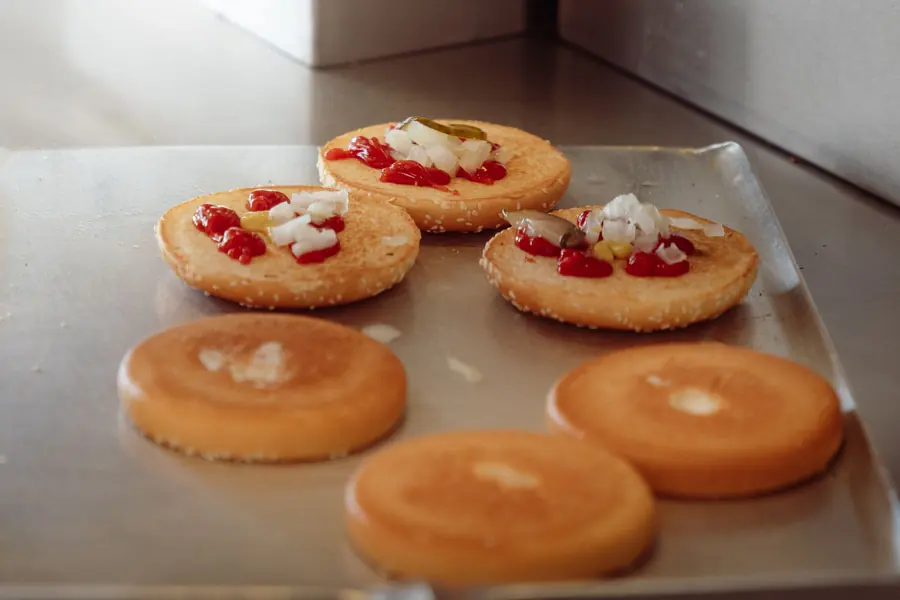
An additive whose source the label does not state has a name in this subject: it is mashbooh, or doubtful, which is a statement about what you have been told rather than about the bread.
Frequently asked questions
Is bread halal?
Bread made from flour, water, yeast and salt is halal. Commercial bread often contains additives whose origin is not stated on the label, principally L-cysteine as a dough conditioner and mono- and diglycerides as an emulsifier, each of which can be plant, synthetic or animal derived.
Is there really human hair in bread?
The claim comes from L-cysteine, a dough conditioner that can be produced by hydrolysing keratin, and the keratin sources used industrially have included poultry feathers and human hair. It is also produced synthetically and by microbial fermentation, and a US label does not say which route was used.
What does the FDA regulation on L-cysteine say?
It defines the substance chemically as L-2-amino-3-mercaptopropanoic acid and permits it as a dough strengthener in yeast-leavened baked goods at up to 0.009 part per 100 parts of flour. It sets no requirement about the source material or the method of manufacture, which is why the label cannot tell you.
Are mono- and diglycerides halal?
It depends on the fat they were made from, which can be vegetable or animal. In the US they are usually soy or palm derived, but the label does not distinguish. On European labels the same additive appears as E471.
Which bread has the fewest question marks?
The shortest ingredient list. Fresh bakery bread, plain flatbread and pita typically contain flour, water, yeast, salt and oil, because most of the additives in packaged bread exist to extend shelf life rather than to make bread.
The short version: plain bread is not the problem, and the length of the ingredient list is a decent proxy for how many questions a loaf raises.
Flatbread, pita and wraps, all made with halal ingredients.