Pizza looks like it should be simple. Dough, sauce, cheese, toppings — nothing obviously off-limits. But it is one of the trickier things to order if you eat halal, because three of those four components can quietly contain something you would rather avoid.
Here is what actually determines whether a pizza is halal, and what to ask before you order one.
The short answer
A pizza is halal when the meat toppings come from halal-slaughtered animals, the cheese is made without animal rennet, the dough contains no lard or pork-derived additives, and none of it has shared equipment with pork. Plain cheese and vegetable pizzas are usually the easiest, but the cheese and crust still need checking.
The obvious problem: pepperoni and other cured meats
Pepperoni is pork, or a pork and beef blend. So is Italian sausage in most recipes, along with pancetta, prosciutto and bacon. These are the most common pizza toppings in the US and none of them are halal.
Chicken, beef and lamb toppings can be halal, but only if the meat was sourced that way. A beef topping is not halal simply because it is beef — the slaughter method is what matters.
Cheese deserves more than a paragraph, because the question turns on an enzyme you cannot see or taste. Our guide to whether cheese is halal covers rennet, the fermentation-derived alternative, and the label shortcut that settles it in a supermarket.
The less obvious problem: cheese
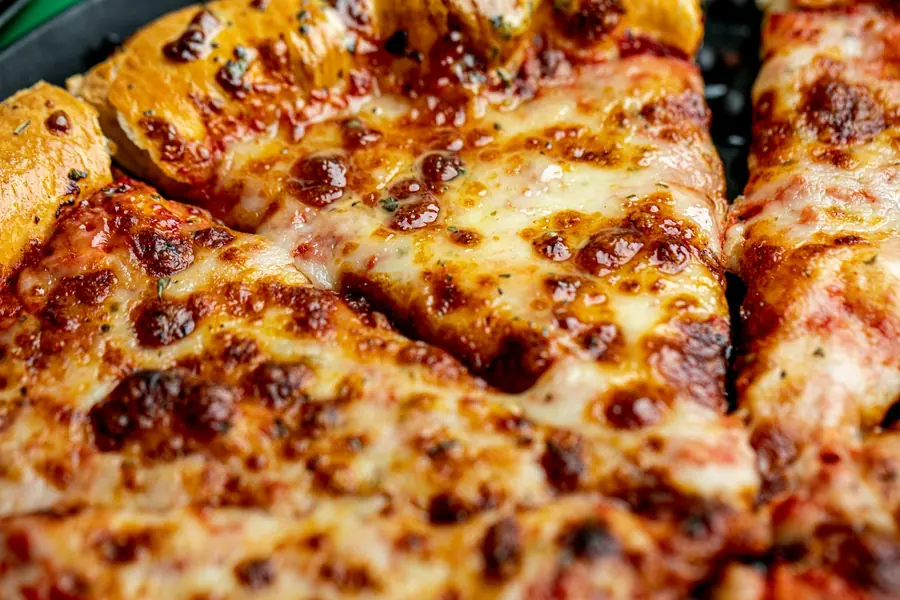
This one surprises people. Traditional cheesemaking uses rennet, an enzyme that curdles milk, and rennet is often taken from the stomach lining of calves. Cheese made with animal rennet from a non-halal source is not halal.
Plenty of mozzarella is now made with microbial or vegetable rennet instead, which sidesteps the issue entirely. But you cannot tell by looking, and most menus do not say. The Islamic Services of America, a halal certifying body, goes through the same checks when it looks at a pizzeria.
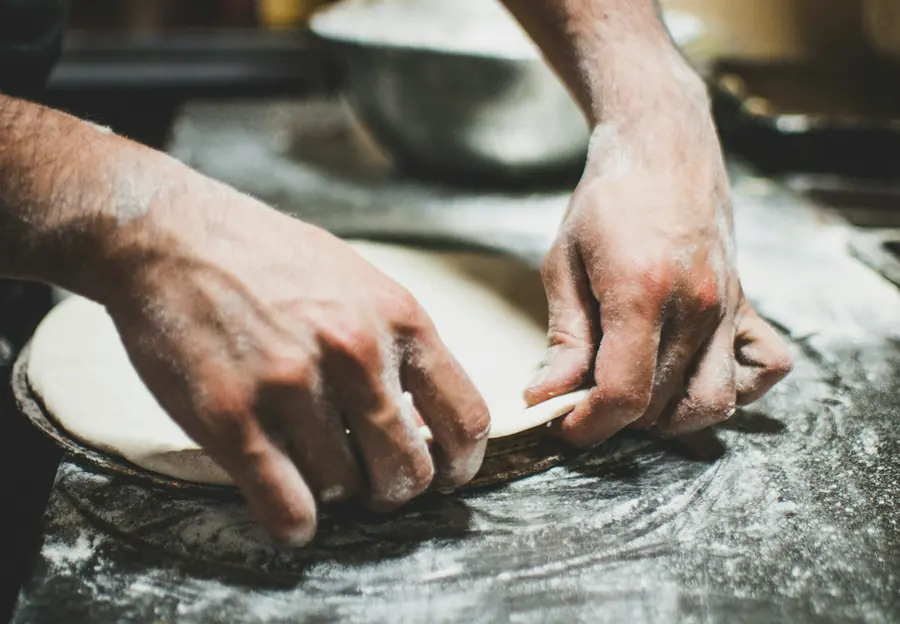
The one nobody thinks about: the dough
Some commercial pizza dough contains lard, which is pork fat. Others contain mono- and diglycerides or enzymes that may be animal-derived. Neither will appear anywhere on a menu.
This is less common than it used to be, and most pizzerias making dough in house use flour, water, yeast, salt and oil. But if a restaurant buys frozen bases in, it is a fair question.
What to check, component by component
| Component | The risk | What to ask |
|---|---|---|
| Meat toppings | Pepperoni, sausage, pancetta and bacon are pork | Which meats are available, and whether they are halal-sourced |
| Cheese | Animal rennet from a non-halal source | Whether the mozzarella uses microbial or vegetable rennet |
| Dough | Lard or animal-derived additives in bought-in bases | Whether the dough is made in house |
| Oven and prep | Shared surfaces, cutters and oven with pork toppings | Whether pork is handled anywhere in the kitchen |
Pizza is a good illustration of a general point: halal is about sourcing and preparation rather than about a type of food. Our overview of what halal covers sets out the rules that produce all four checks above.
Why a halal kitchen makes this easier
In a kitchen that serves no pork at all, most of the table above stops being a question. There is no pepperoni to cross-contaminate with, no shared cutter, and the sourcing decision has already been made once for the whole menu rather than topping by topping.
That is the practical difference between a pizzeria that happens to offer a chicken pizza and a halal restaurant that also makes pizza. Our broader guide to whether Mediterranean food is halal covers the same logic across a whole menu.
Does halal pizza taste different?
Not in the way people expect. The dough, sauce and cheese behave identically; nothing about halal sourcing changes how they bake. Where you do notice a difference is in the meat, and only on some toppings.
Beef and lamb toppings render less fat than pork, so a halal meat pizza is usually a little less greasy and the cheese browns rather than swimming. Some people prefer that; others miss the richness. Chicken toppings taste the same either way.
Halal pepperoni and beef alternatives
If pepperoni is the topping you actually miss, there is a workaround. Beef pepperoni made from halal-slaughtered beef is widely produced, and some restaurants carry it. It is not identical — beef pepperoni is leaner and renders less fat, so it crisps differently — but it is close.
The same applies to sausage. Spiced beef or lamb, seasoned with fennel and chilli, gets most of the way to Italian sausage without the pork. Ask what a kitchen carries rather than assuming the only options are chicken or vegetables.
Ordering pizza for a mixed group
Pizza is one of the harder things to order for a group that includes people eating halal, because it arrives as a shared object. Slices get moved between boxes, and a single cutter used on a pork pizza has touched every slice it cuts afterwards.
- Order from one kitchen rather than splitting between a halal place and a conventional pizzeria.
- Keep boxes separate and labelled if you do split, and do not stack them so the lids touch other pizzas.
- Ask about the cutter if one kitchen makes both. It is a reasonable question and staff are used to hearing it.
Pizza at Halal Basket
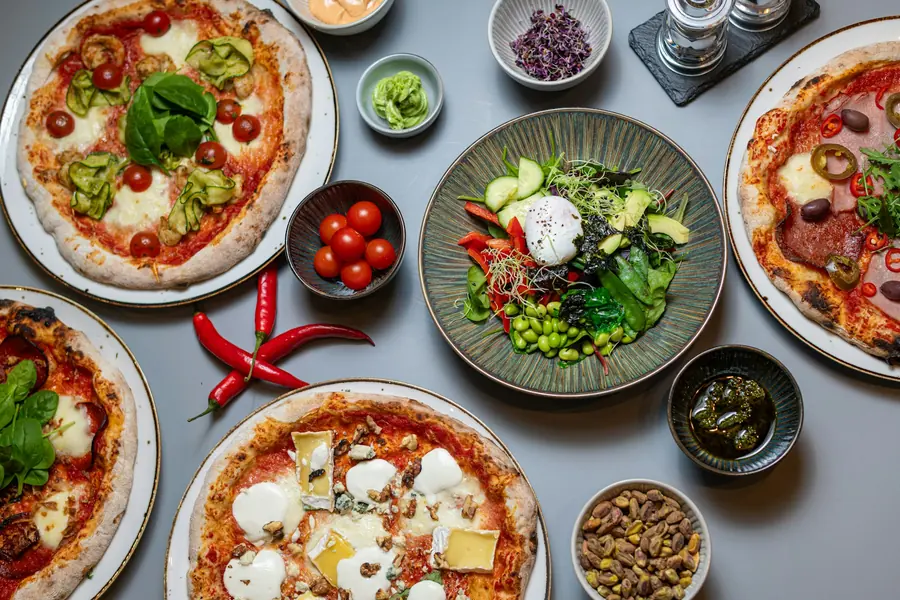
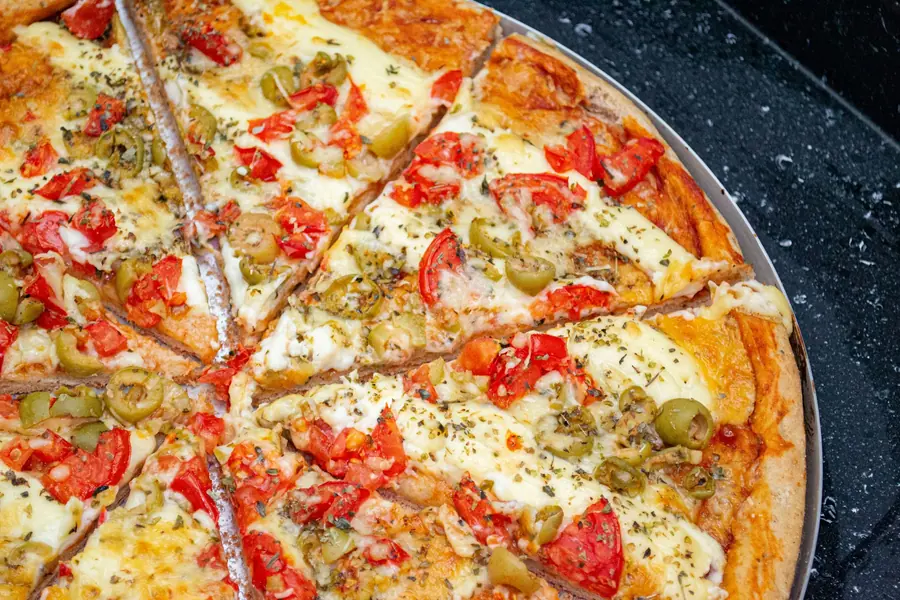
We make two. The Veggie Garden Pizza is topped with mushrooms, spinach, tomato, onions, olives and cheese. The Halal Basket Special Pizza takes meat of your own choice — lamb, chicken, gyro or beef — with Italian seasonings, mozzarella, cheddar and feta. Both come in medium and large.
All our menu items are made with halal ingredients, so the four checks above are already settled before you order. Both pizzas are listed on the menu with their toppings, alongside the plates, wraps and salads.
A note on certification
A certificate on the wall is one form of assurance, but plenty of small independent restaurants buy from halal suppliers without holding certification themselves, because certification is an ongoing cost aimed mainly at manufacturers. Its absence is not evidence of anything. What matters is whether the restaurant can tell you where the meat comes from and whether pork is handled on site.
If you are buying pizza rather than ordering it, a vegetarian marking on the cheese is the quickest way to settle the rennet question. What a vegetarian label actually establishes covers how far that shortcut goes.
Frequently asked questions
Can you get halal pepperoni pizza?
Yes, in kitchens that carry it. Beef pepperoni made from halal-slaughtered beef is widely produced and behaves much like pork pepperoni, though it is leaner and renders less fat. Ask which meat toppings a restaurant stocks.
Is pizza halal?
It depends on four things: whether the meat toppings are halal-sourced, whether the cheese is made without animal rennet, whether the dough contains lard or animal-derived additives, and whether pork is handled on the same equipment. A restaurant that serves no pork removes most of those risks.
Is pepperoni halal?
No. Pepperoni is made from pork, or from a pork and beef blend, so it is not halal. Italian sausage, pancetta, prosciutto and bacon are also pork.
Is mozzarella cheese halal?
It depends on the rennet used to set the curd. Animal rennet from a non-halal source makes the cheese unsuitable, while microbial and vegetable rennet do not. You cannot tell from the cheese itself, so ask the restaurant.
Is a cheese or vegetable pizza automatically halal?
Not automatically. Leaving the meat off removes the biggest question, but the cheese and the dough still need checking, and a shared oven or pizza cutter can still be an issue in a kitchen that also serves pork.
Pizza is not automatically off the table if you eat halal — it just has more moving parts than most dishes. Meat, cheese, dough and the oven itself all matter.
The shortcut, as with most of this, is to eat somewhere the question has already been answered for the whole kitchen rather than dish by dish.
Both of our pizzas are made with halal ingredients. Take a look at what goes on them.