
Bread arrives with almost everything on a Mediterranean menu, and it is rarely explained. Pita, lavash, pide, naan — they look related and behave very differently.
Here is what separates them, and which one you are actually getting.
The short answer
Pita is a lean Middle Eastern flatbread of flour, water, yeast and salt, baked hot so steam splits it into a pocket. Naan is South Asian and enriched with yogurt, butter or ghee, which makes it softer, richer and pocketless. “Flatbread” is the umbrella term covering both, plus lavash, pide and many others.
Pita: built around the pocket
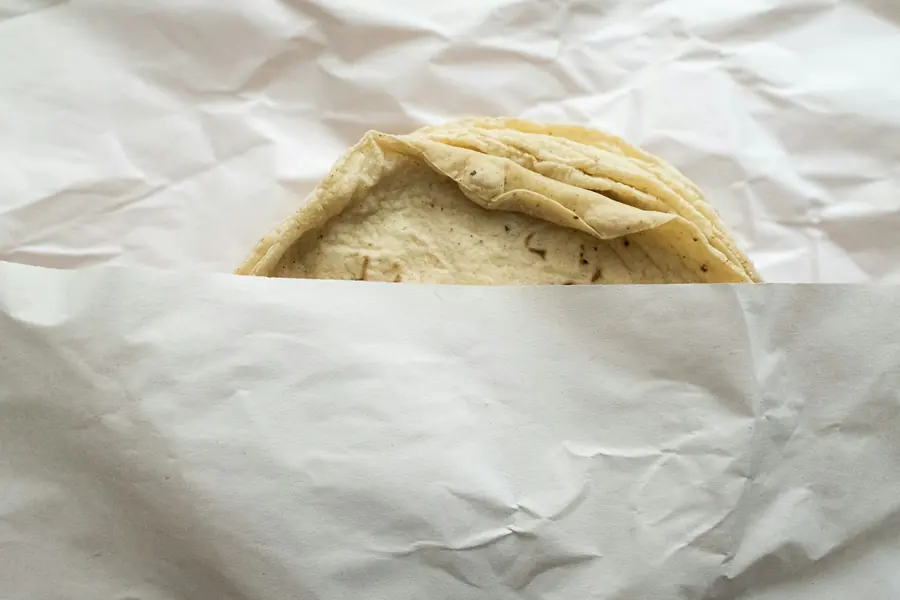
The pocket is not decorative — it is the whole engineering of the bread. A very hot oven turns the water in the dough to steam faster than it can escape, forcing the bread apart into two layers.
That requires a lean dough. Fat would soften the structure and stop the split, which is why traditional pita contains no oil, dairy or egg. King Arthur Baking’s guide to how pita puffs walks through the mechanism if you are curious.
Naan: enriched and soft
Naan takes the opposite approach. The dough is enriched with yogurt, milk, butter or ghee, and sometimes egg, which makes it tender and pliable rather than crisp and hollow.
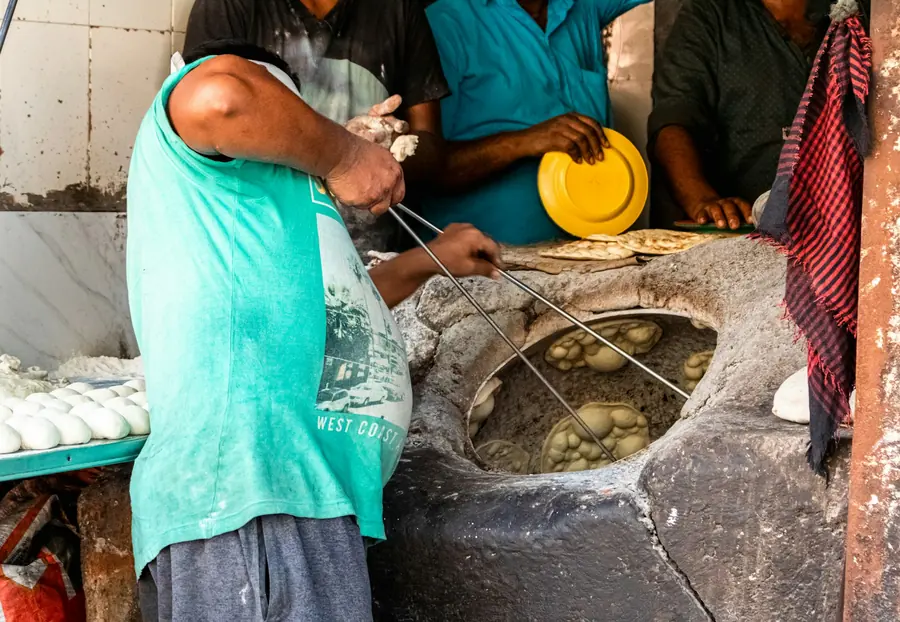
It is traditionally slapped onto the inside wall of a tandoor, which gives the characteristic teardrop shape and the blistered spots. It has no pocket and is not meant to have one — it is a scoop, not a container.
The wider flatbread family
Most Mediterranean and Middle Eastern menus carry at least one bread that is neither pita nor naan.
- Lavash — very thin, soft and unleavened, used for rolling rather than filling.
- Markook or saj bread — paper-thin, cooked over a domed griddle, common across the Levant.
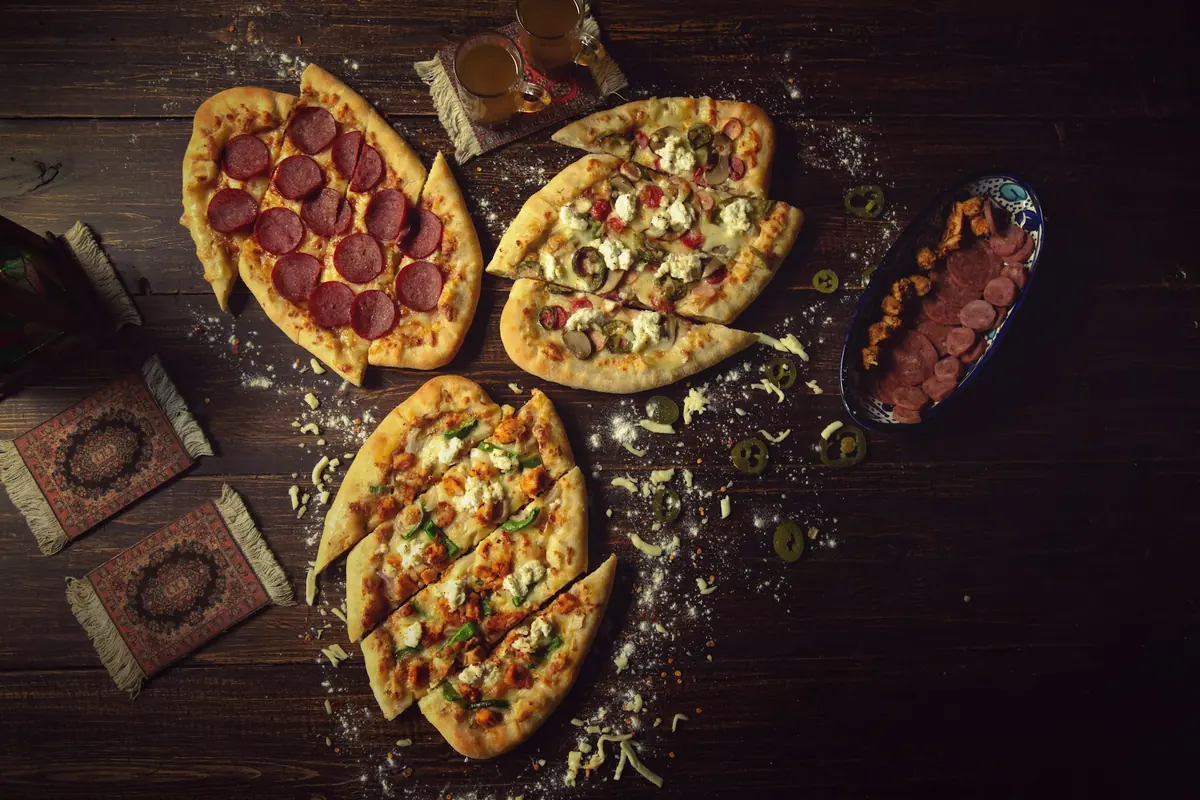
- Pide — Turkish, thicker and often boat-shaped with toppings baked onto it.
- Barbari and sangak — Persian breads, ridged or baked on hot stones, chewier than pita.
Side by side
| Bread | Origin | Enriched? | Pocket? | Best for |
|---|---|---|---|---|
| Pita | Middle East | No | Yes | Stuffing, scooping dips |
| Naan | South Asia | Yes — yogurt, butter or ghee | No | Scooping rich sauces |
| Lavash | Armenia and the Levant | No | No | Rolling wraps |
| Markook / saj | Levant | No | No | Wrapping, very thin |
| Pide | Turkey | Sometimes | No | Toppings baked on |
Which one comes with what
There is a logic to the pairings once you see it. Pita goes with anything you want to stuff or scoop — wraps, hummus, falafel. Lavash and markook go with things you want to roll. Thicker breads go with saucy dishes that need something sturdy.
If you are eating a rice plate, the bread is there to mop rather than to carry, so a softer bread is usually the better choice.
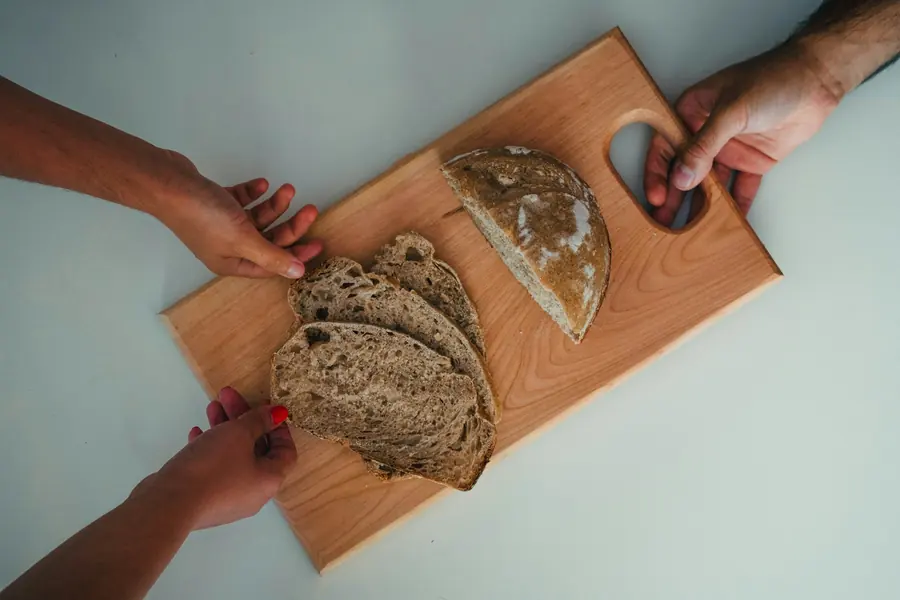
It is also worth knowing that thickness is not a quality signal. Thin breads such as lavash and markook are made that way deliberately, for rolling, and a thick pita is not a better one — it is a different tool for a different job.
Keeping and reheating flatbread
Flatbread goes stale much faster than a loaf, but it revives better. A few seconds in a dry pan or thirty seconds wrapped in a damp cloth in a warm oven brings a day-old pita most of the way back.
What does not work is the microwave on its own, which makes the bread briefly soft and then tough as it cools. Freezing works well — flatbread freezes flat, thaws quickly, and reheats better than it keeps in a bread bin.
The halal question with bread
Plain flatbreads are usually the least complicated thing on a menu: flour, water, salt, yeast. The questions arise with enriched and commercially produced breads.
- Enriched breads such as naan contain dairy and sometimes egg, which raises no halal issue but does matter if you avoid either.
- Commercially produced breads occasionally use animal fats or mono- and diglycerides that may be animal-derived.
- Brushed finishes — butter or ghee on a hot flatbread — are common and rarely mentioned on a menu.
Our guide to halal pizza covers the same dough question in more detail, since it is one of the least obvious places for an issue to hide.
How bread is actually used at the table
In most Mediterranean and Middle Eastern meals bread is a utensil rather than a side dish. It is not there to be buttered and eaten on its own; it is there to pick things up.
- Tear, do not cut. Bread is torn into pieces at the table, and the piece is used to pinch food rather than to scoop like a spoon.
- One hand. Traditionally the right hand does the work, with the bread folded over itself for grip.
- It replaces cutlery, not the plate. With mezze in particular you may not need a fork at all.
- It keeps coming. Bread is usually replenished without being ordered again, which is worth knowing before you order three portions.
Fresh, and why it matters more here
Flatbread has a much shorter useful life than a loaf. Pita is at its best within an hour of baking and stiffens quickly afterwards; lavash dries out faster still.
This is the main argument for eating this food in the restaurant rather than taking it away, and the reason a warm bread basket is a reasonable proxy for how much a kitchen cares.
Bread on our menu
We serve flatbread with the kofta, and pita is available to add to any meat plate. All our menu items are made with halal ingredients.
If you want to know what else comes with each dish, the menu lists it, and our ordering guide explains how the plates and wraps are put together.
Packaged bread raises questions that fresh flatbread does not, mostly through additives whose source the label never states — our guide to whether bread is halal works through what is actually in a commercial loaf.
Frequently asked questions
How do you keep flatbread fresh?
Flatbread stales quickly but revives well. A few seconds in a dry pan, or wrapped in a damp cloth in a warm oven, restores most of the texture. It also freezes and thaws better than most breads.
What is the difference between pita and naan?
Pita is a lean Middle Eastern bread of flour, water, yeast and salt that puffs into a pocket in a hot oven. Naan is South Asian and enriched with yogurt, butter or ghee, making it softer and richer, and it has no pocket.
Why does pita have a pocket?
Because the dough is lean and the oven is very hot. The water in the dough turns to steam faster than it can escape, forcing the bread into two layers. Fat in the dough would soften the structure and prevent it.
Is naan halal?
The bread itself contains nothing forbidden — it is enriched with dairy rather than anything problematic. As with any commercially produced bread, the thing to check is whether animal-derived fats or additives were used.
Is flatbread the same as pita?
No. Flatbread is the umbrella category, and pita is one type within it. Lavash, markook, pide, naan and many others are also flatbreads, and they differ in thickness, enrichment and how they are baked.
Pita is lean and hollow; naan is enriched and soft. Everything else on the bread basket sits somewhere between the two.
Flatbread with the kofta, pita with any plate — all made with halal ingredients.